The Seychelles is famous for its beaches, and the reputation is deserved. Pale sand, clear water and sculpted granite boulders appear on all three main islands, but each beach has its own personality, and conditions change with the season. Knowing which beach suits which kind of day makes a trip far easier to plan.
How the seasons shape your choice
From about May to October the south-east trade winds blow, bringing breezy, drier weather. The northwest coast of Mahé, including Beau Vallon, is more sheltered then, while the south coast has stronger waves and sometimes currents. From about December to March the north-west monsoon reverses the pattern: beaches on the north and west can see more swell, and the south and east can be calmer. April-May and October-November are transitional months with light winds and some of the best sea conditions overall. Always check local flags and ask your hotel before swimming at exposed beaches.
Mahé: variety close to the capital
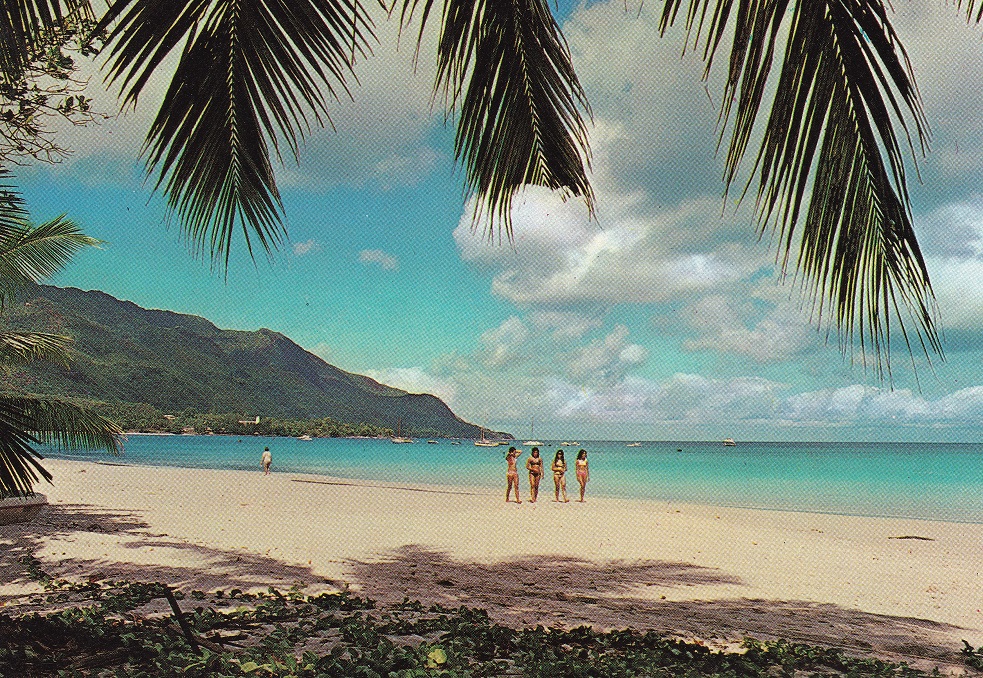
Beau Vallon is the island's most sociable beach, a long crescent of soft sand with restaurants, beach bars and water sports, and a lively atmosphere at sunset. Anse Intendance, on the south coast, is a wide, wild beach that is better for walking and photography than swimming when the surf is up. Anse Takamaka and Anse Royale offer quieter alternatives with fewer facilities. Anse Major, reached by a short coastal hike from Danzilles, is a secluded cove that rewards the effort with calm water for snorkelling on good days. The Sainte Anne Marine National Park, a short boat ride from Victoria, adds snorkelling over shallow coral.
Praslin: the classic postcard
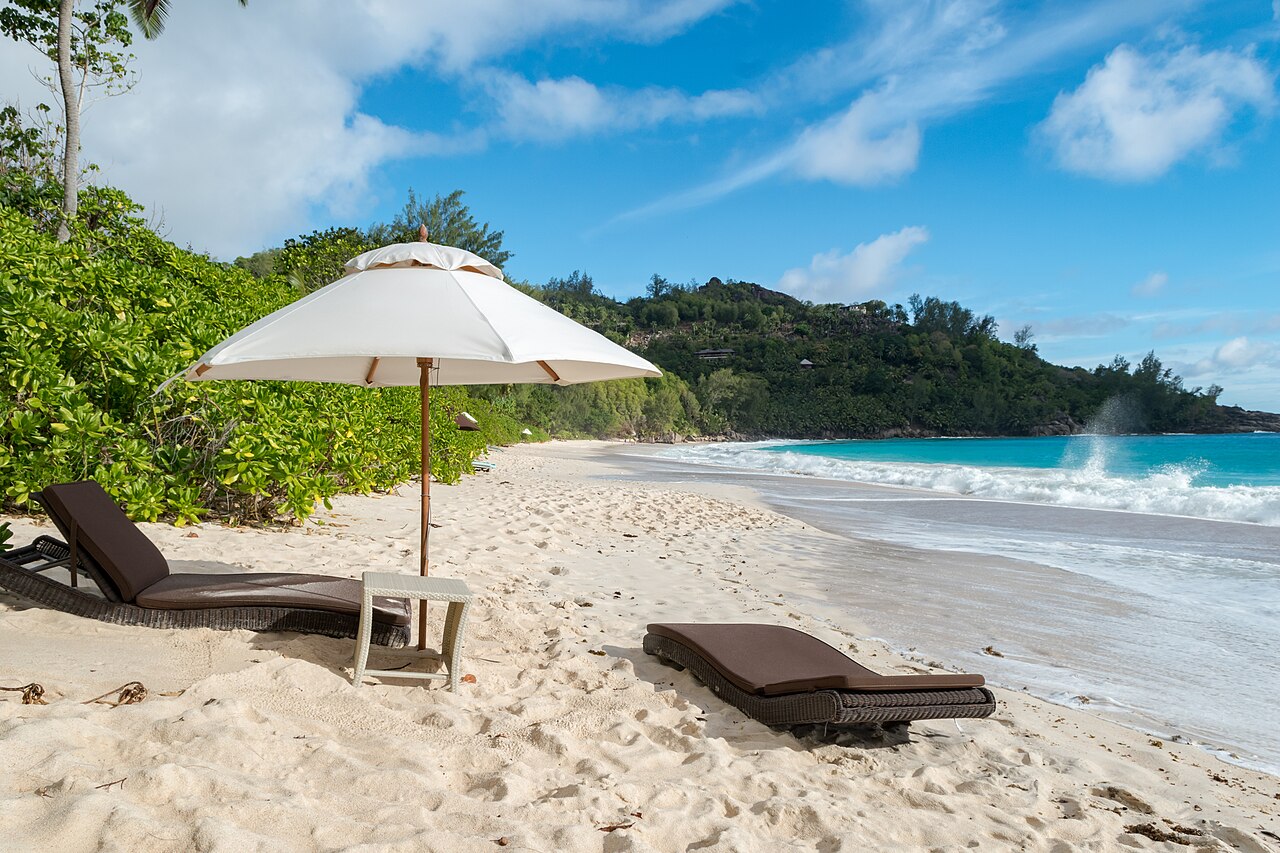
Anse Lazio, on the northwest tip, is regularly named among the world's most beautiful beaches. It has fine sand, granite headlands and good swimming in calm conditions, plus a couple of beachfront restaurants. Anse Volbert is the main hotel beach on the north coast, with shallow, gentle water that suits families, and Anse Georgette is a secluded cove with access that depends on rules at the neighbouring resort, so check before you go. Grand'Anse on the south coast is long and breezy, and best enjoyed for a walk. Boats from Anse Volbert reach Curieuse and Saint Pierre for snorkelling, and Coco and Félicité for clear water on a half-day trip.
La Digue: boulders, bicycles and Source d'Argent
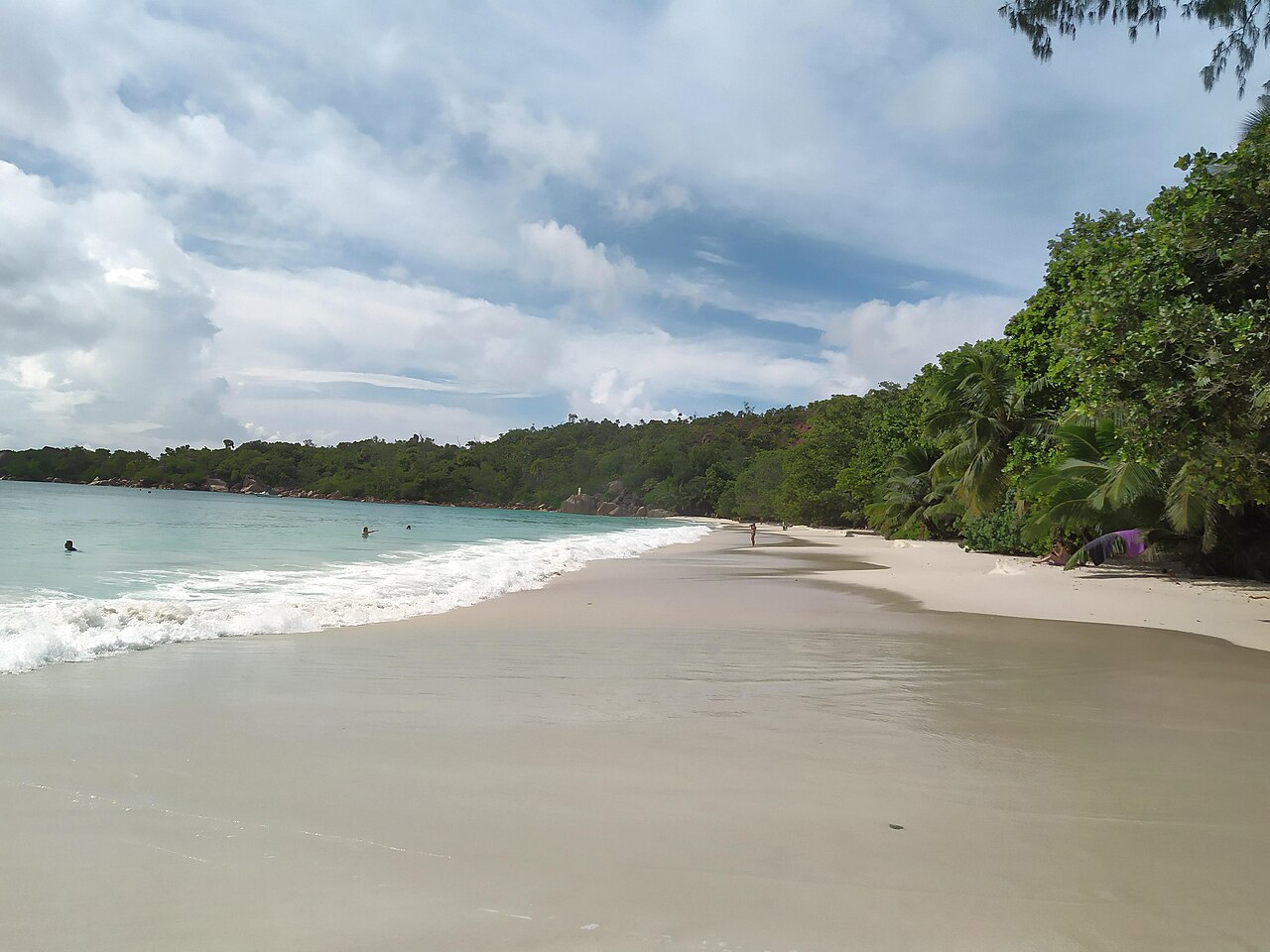
Anse Source d'Argent is the most photographed beach in the Seychelles, with pink-tinged sand, gigantic granite boulders and shallow lagoons. It is reached through L'Union Estate, which has an entry fee, and it is best visited at low tide for photographs and at the start or end of the day to avoid the day-trip crowds. Grand Anse is wilder, with bigger waves that are better for admiring than swimming. Petite Anse and Anse Cocos continue the theme along a walking trail from Grand Anse, where the reward is empty sand and wild scenery. Anse Patates, near the jetty, is a calmer spot with good snorkelling.
Snorkelling and safety
Visibility is best in calm weather and at high tide. A rash vest, reef-safe sunscreen and a well-fitting mask make a big difference, and a flotation vest helps less confident swimmers. Never touch or stand on coral, never feed fish, and keep your distance from turtles. Currents can be strong at exposed beaches, especially in the trade wind season, and few beaches have lifeguards, so swim near others and heed local advice. Jellyfish and sea urchins are possible in some places, and shoes designed for water are useful on rocky entries.
Practical tips
Public access to beaches is a tradition in the Seychelles, but some facilities belong to hotels or private estates. Bring water, shade and cash for small beach cafés, and carry out your rubbish. Beach vendors are limited, and quiet beaches may have no facilities at all. Sunset is around the same time year-round because the islands lie close to the equator, so plan your evening swim and dinner accordingly. Early morning gives soft light and empty sand, midday is hot and strong, and late afternoon is best for photographs.
A simple beach plan
On Mahé, spend a lazy day at Beau Vallon and a half-day at Anse Intendance or Anse Major. On Praslin, give Anse Lazio a full afternoon, ideally after the Vallée de Mai in the morning. On La Digue, rent bicycles, visit Source d'Argent early, and then stop at quieter coves along the way. Add a boat trip for snorkelling if you can, because the clear water offshore is part of what makes the Seychelles special. With seven nights, you will see all three islands at a comfortable pace and still have time simply to sit on the sand and do nothing.