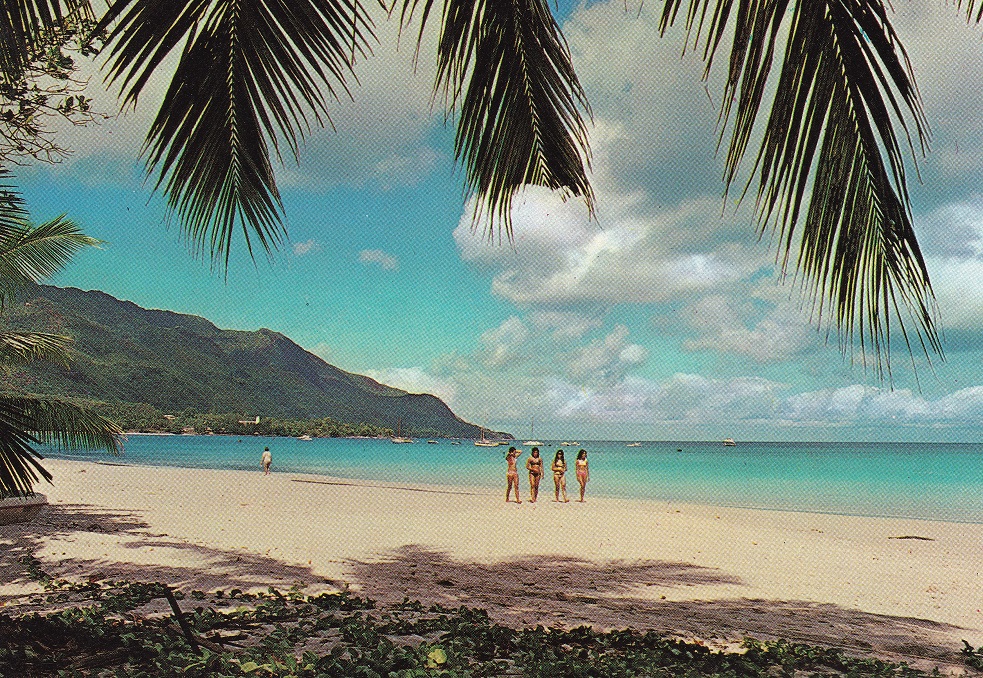
The Seychelles sits close to the equator, so there is no winter, and temperatures stay warm all year. What changes is the wind and the rain, and these shape the sea conditions, the visibility for snorkelling and the feel of the islands. There is no bad time to go, but there is a best time for what you want to do, and a little planning can make the difference between calm turquoise water and a choppy, seaweed-strewn shore.
The two seasons
From about December to March, the north-west monsoon brings hotter, more humid weather and more rain, though showers are often short and sunny spells are common. From about May to October, the south-east trade winds bring drier, breezier and slightly cooler weather. April and November are transition months with lighter winds, and many visitors consider them the most pleasant for calm seas and settled weather.
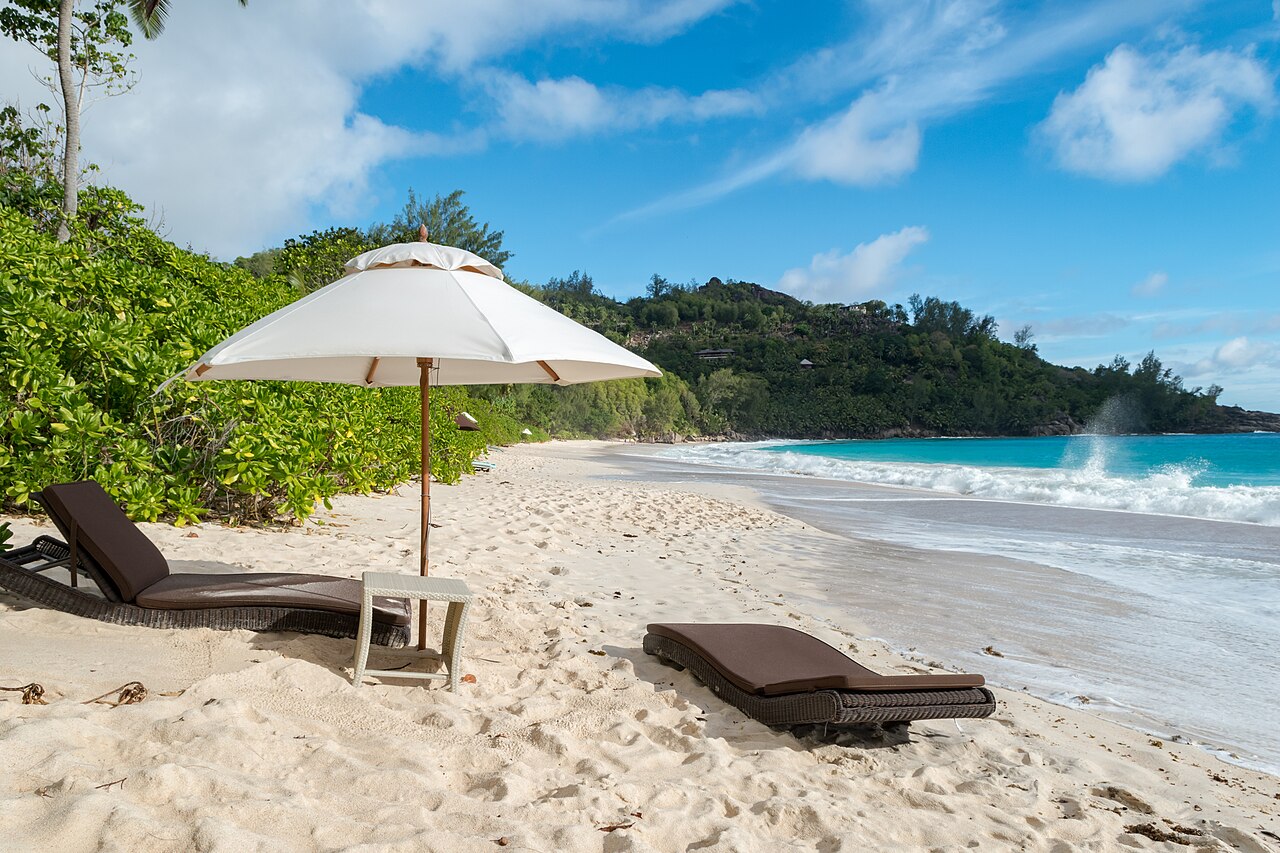
Beaches and swimming
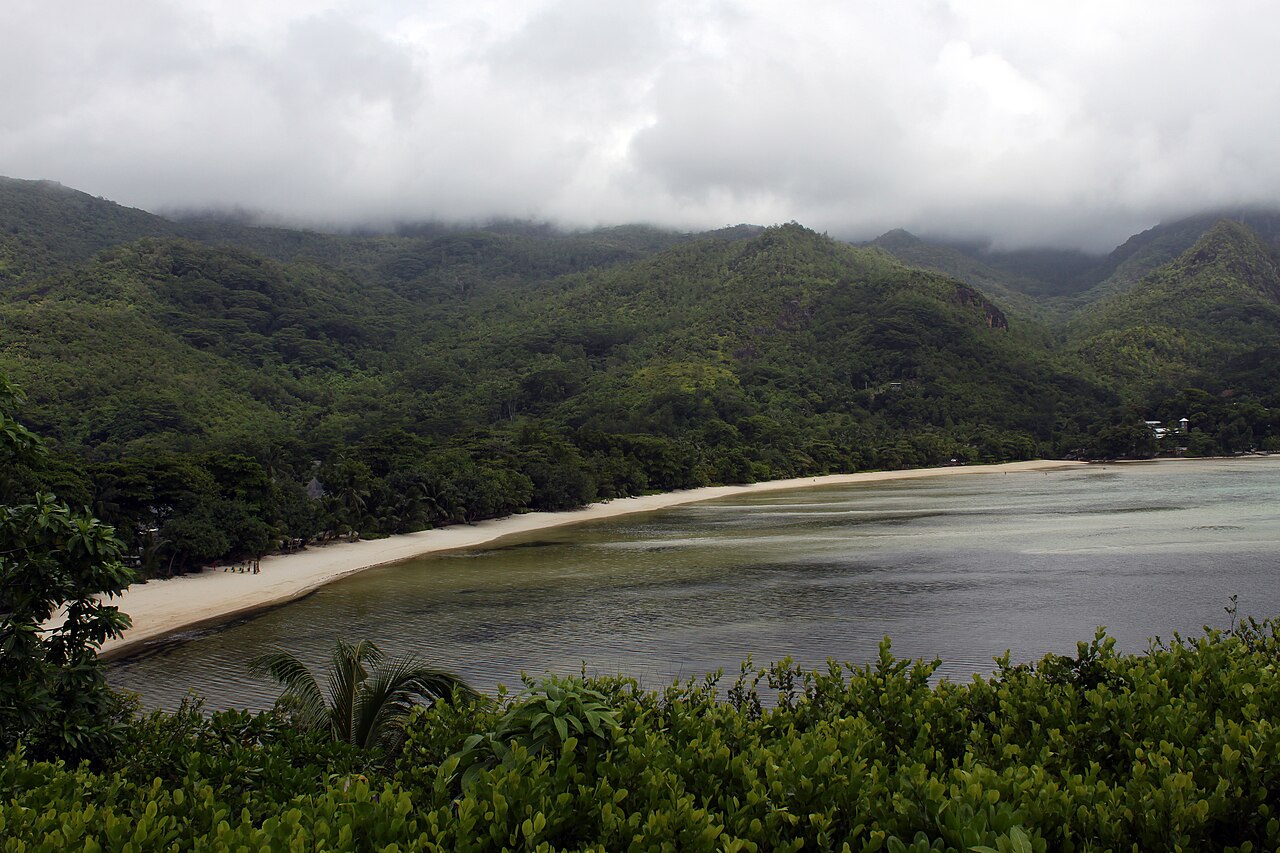
In the south-east trade wind months, beaches on the south and east coasts can have rougher water and seaweed, while the north and west coasts are more sheltered. Beau Vallon on Mahé is usually a good choice at this time, and Anse Lazio on Praslin tends to be calm. During the north-west monsoon, the pattern reverses on some beaches, with the northwest more exposed and some southern bays more sheltered. Anse Intendance is spectacular but known for strong surf at many times of year, so swim only where conditions are safe and follow local flag and lifeguard advice.
Snorkelling and diving
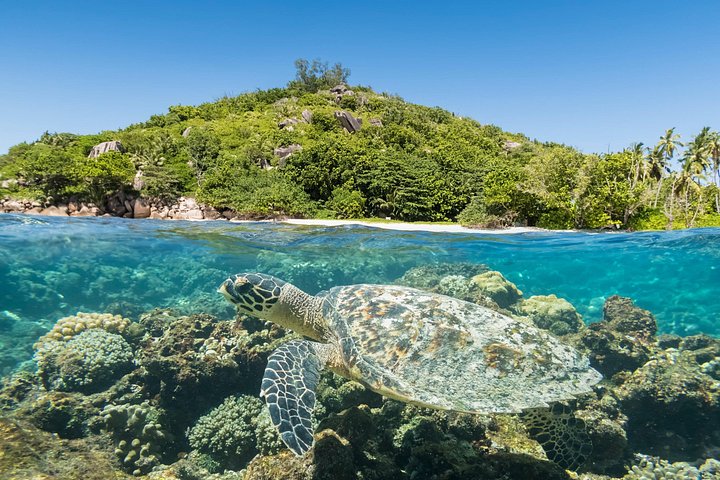
The calmest seas and clearest water typically arrive in the transition months, around April to May and October to November, when winds are light and visibility is often at its best. Trips to the marine parks, including Sainte Anne, Curieuse and the Port Launay area, run throughout the year, but sea conditions can cause cancellations, so build in a spare day. Check with operators about expected conditions, and ask whether trips will run if the weather changes.
Hiking and nature
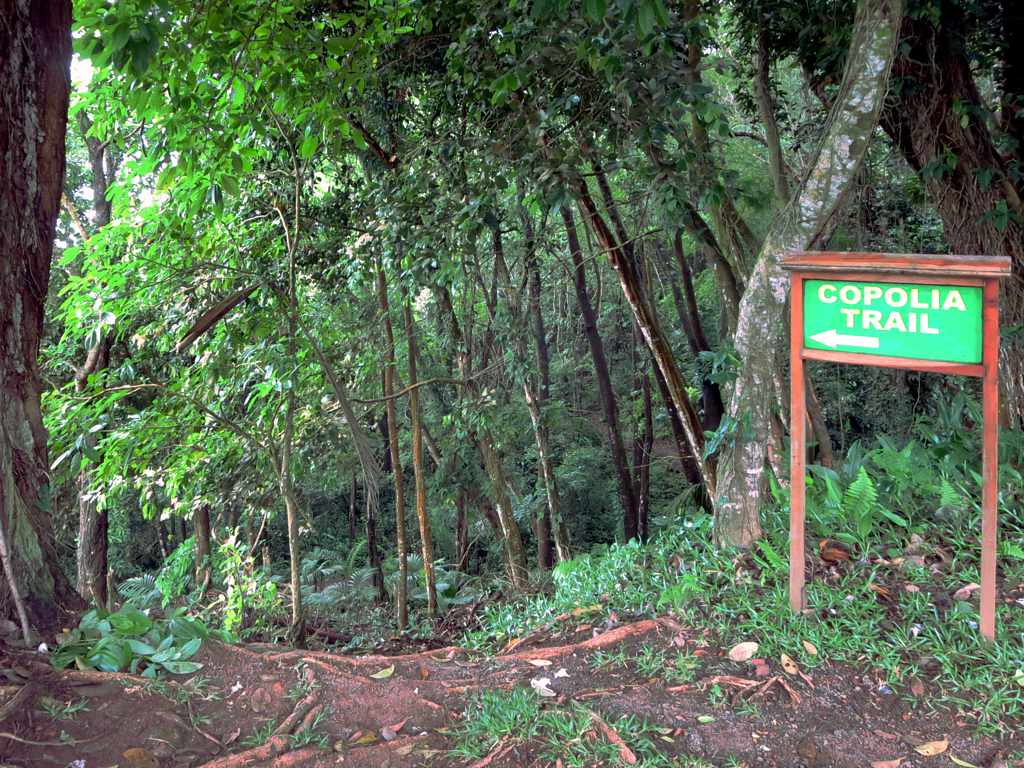
The drier months from about May to October are usually better for trails such as the Copolia and Mare aux Cochons routes, because the ground is firmer, though mountain cloud and showers can occur at any time. The wet season brings lush greenery and good photography, but trails are muddier and can be slippery. Bird and turtle interest varies through the year: seabird colonies on islands such as Cousin are active at different times, and hawksbill turtles are known to nest on some beaches from roughly October to March, so ask operators what to expect.
Prices and crowds
The busiest and most expensive periods are Christmas and New Year, Easter and the European summer and school holidays, when the best hotels sell out months ahead. Shoulder months such as April to June and September to November often combine good weather with better availability and lower rates, though pricing varies by hotel. If you have fixed dates, book flights and the better small hotels early, and confirm ferry or flight schedules before you finalise nights on each island.
Which month for which trip
For a classic beach holiday with calm seas, aim for the transition months of April, May, October and November. For a honeymoon with the best chance of dry, breezy days and cooler nights, May to September works well, though the south-east winds can make some beaches rough. For families who want warm water and do not mind showers, the north-west monsoon months are fine, and rates can be lower outside the holiday peaks. For hikers, the drier months make trails easier, though you should always carry a rain layer.
Packing for the weather
Whatever the month, bring light cotton clothing, a rain jacket, reef-safe sunscreen, a hat, sunglasses and a rash vest. A pair of sturdy walking shoes is useful for trails, and a dry bag protects phones and cameras on boat trips. If you are prone to seasickness, bring remedies for the crossings between islands, particularly in the windier months, and plan the longer boat days for mornings when seas are usually calmer.
Festivals and events
The islands host a number of cultural and sporting events across the year, including carnival-style celebrations, music and food festivals and fishing competitions, but dates change from year to year, so check with the tourism board when you plan. If an event matters to you, book accommodation early, because hotels near the venues fill up quickly, and be ready for road closures and busier ferries on the days themselves.