The Seychelles is as much a nature destination as a beach one. Its granite islands are among the oldest oceanic islands on earth, its forests hold plants and animals found nowhere else, and its seas are protected by a network of marine parks. A few well-chosen visits will show you the best of it, and most can be fitted around beach days without any special equipment.
The coco de mer and the black parrot
The Vallée de Mai on Praslin is the essential stop. This UNESCO World Heritage palm forest is the home of the coco de mer, whose double nut is the largest seed in the plant world, and it is the best place to look for the Seychelles black parrot, the national bird. Walk early, listen for the parrots in the canopy and take a guide if you want help spotting them. Allow around two hours and wear flat, closed shoes.
Giant tortoises
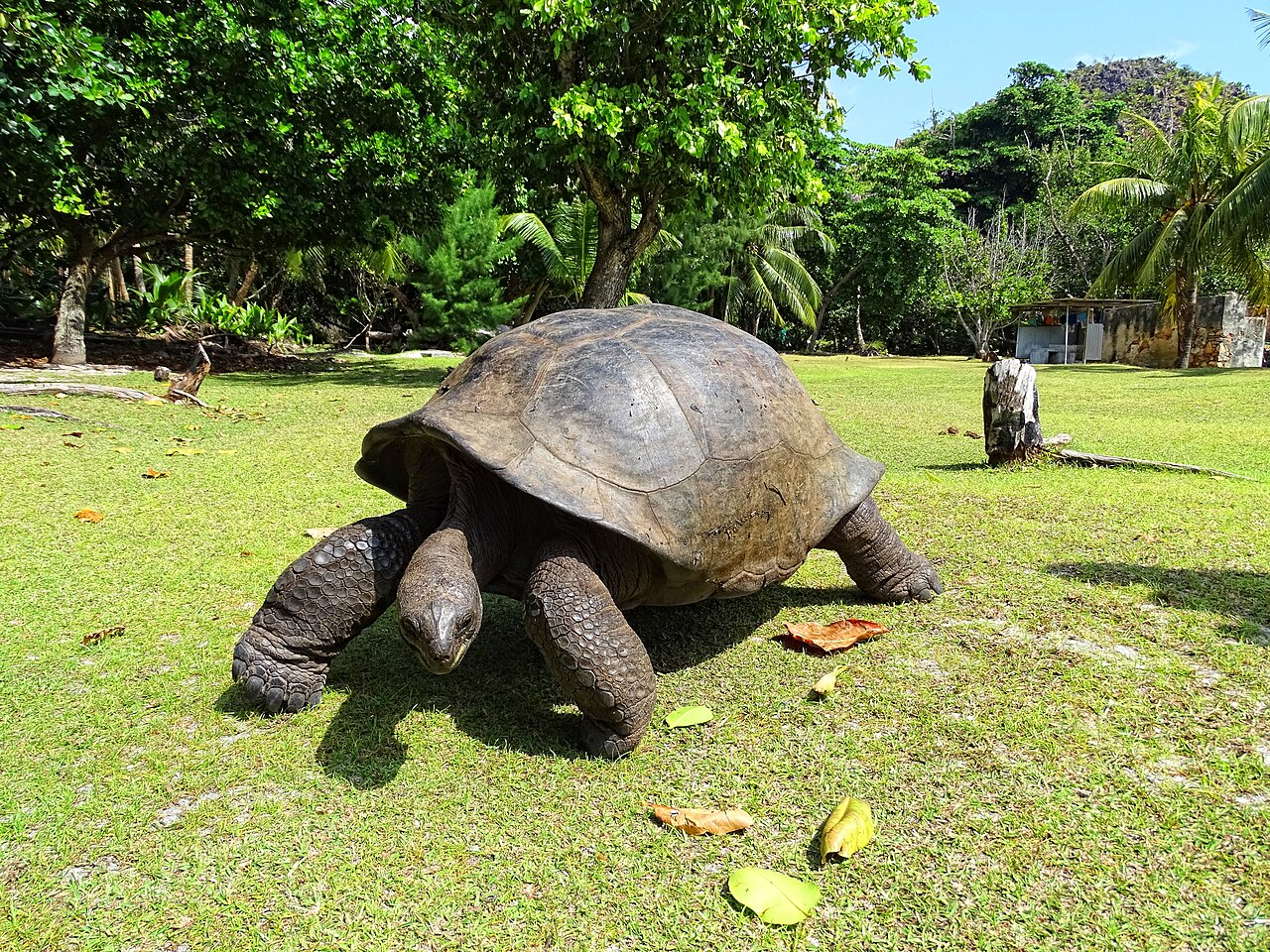
Giant Aldabra tortoises are the islands' most beloved animals, and there are easy places to meet them. Curieuse Island, a short boat ride from Praslin, is home to tortoises that roam freely near Anse José, and the Victoria Botanical Garden has a small group on Mahé. Keep your distance, never feed or ride them, and follow ranger instructions. Children are often fascinated, and the slow pace of a tortoise makes a calming contrast with a busy sightseeing day.
Birds and conservation islands
Cousin Island Special Reserve is a conservation success story, bought to save the Seychelles warbler and now a refuge for seabirds, fodies and other species. Visits are guided and organised on set days, so plan ahead, and wear shoes that can get wet for the landing. Bird lovers can also look for species around the Vallée de Mai and in the forests of Mahé, where local guides know where to find endemics. A pair of binoculars is a worthwhile addition to your luggage.
Mountain forest
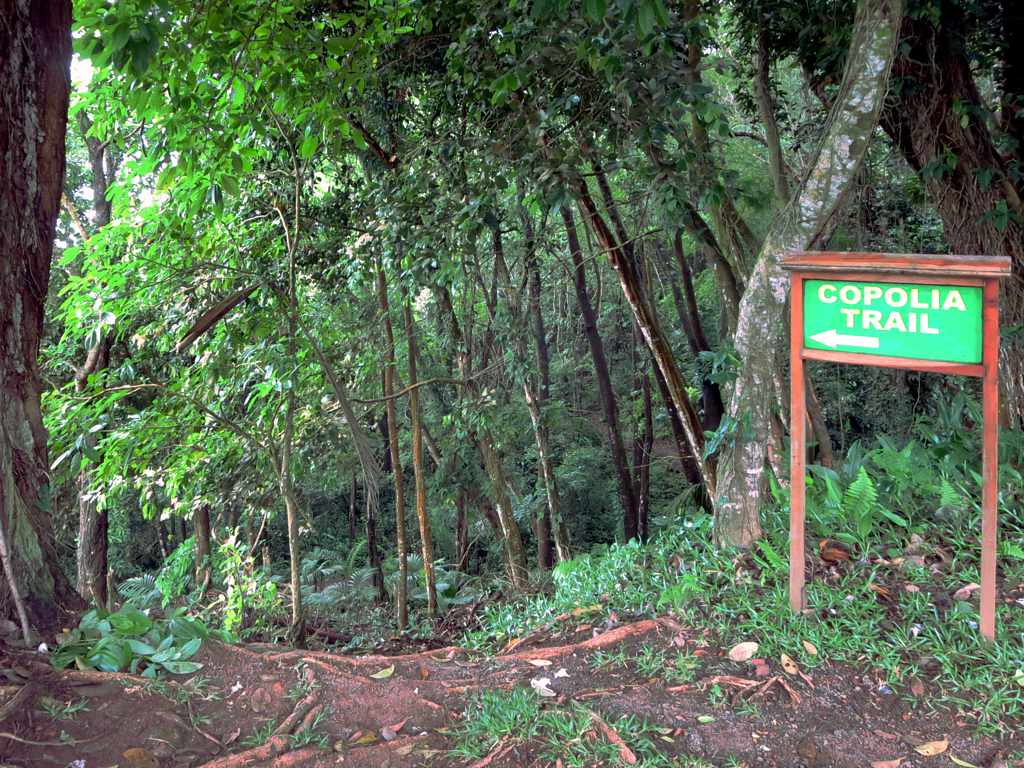
Morne Seychellois National Park covers a large part of Mahé and holds mist-wrapped forest, tree ferns and plants found only in the Seychelles. The Copolia Trail is the easiest introduction, with a manageable climb to granite boulders and a view over Victoria, while the Mare aux Cochons trail is a longer, more demanding guided hike for strong walkers. Go with a guide to learn about the plants, wear proper shoes and carry water and a rain layer.
Reefs, turtles and marine parks
The Sainte Anne Marine National Park near Victoria is the easiest place to snorkel from Mahé, with shallow coral, reef fish and island stops on a full-day reef safari. The waters off Curieuse and Port Launay are also protected, and snorkelling there is rewarding in calm conditions. Turtles are known to nest on some beaches from roughly October to March, so keep your distance from nesting areas, avoid lights on beaches at night and follow any local guidance. Use reef-safe sunscreen and never touch coral or chase wildlife.
Travelling responsibly
Many of the islands' best places are fragile, and the rules are there for good reason. Stay on marked paths, take your rubbish with you, do not take shells, coral or plants, and buy coco de mer only with proper certification. Choose operators who keep groups small and brief guests on wildlife etiquette. Entry fees to reserves often fund conservation work, so they are well spent.
A simple wildlife plan
With a week, combine the Vallée de Mai, a Curieuse day with tortoises and snorkelling, a Cousin Island morning and a Copolia hike on Mahé. Add a reef safari from Mahé and a quiet evening at a beach where turtles may nest in season, and you will have seen the headline species and habitats without rushing. If you only have a few days, choose the Vallée de Mai and one marine park trip, and leave the rest for another visit.
Photography tips
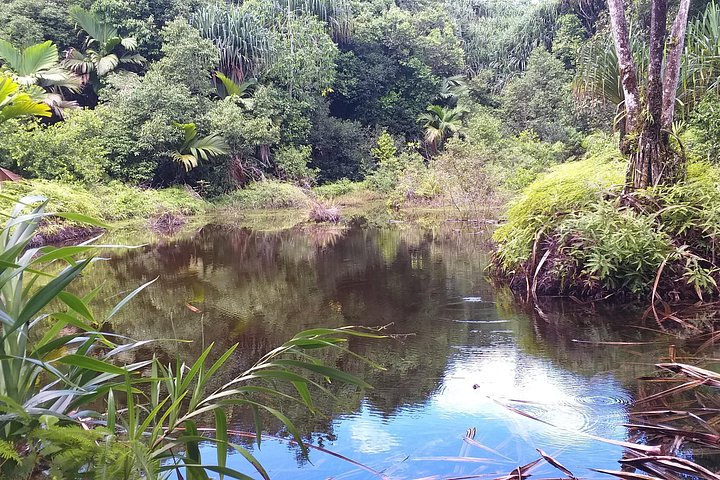
A zoom lens helps with birds, while a wide-angle lens suits the mangroves and the palm forest. Early morning light is softest and wildlife is most active, and an underwater camera or a waterproof phone case captures reef fish in the shallows. Keep a lens cloth handy, because humidity and spray fog glass quickly, and protect your equipment from sand and salt. Respect no-flash rules and never trade distance from animals for a better frame.