Shanghai holds one of the most remarkable and least known chapters of the Second World War era. In the late 1930s and early 1940s, when many countries closed their doors to Jews fleeing Nazi Europe, Shanghai accepted them, and thousands found shelter in the Hongkou district north of Suzhou Creek. This half-day walking tour follows their story on foot. A guide leads you through the lanes of the former designated area, where refugees opened cafes, workshops and clinics in cramped lanehouses, and visits the sites that remain, including a restored synagogue and a museum devoted to the refugees' experience. The tour explains how the community arrived, how it lived under wartime pressure and how local Shanghainese neighbours sometimes helped. It is a thoughtful, human-scale history, told through streets, buildings and personal accounts rather than abstract dates. For visitors interested in the twentieth century, the tour adds depth to a city usually remembered for its skyline and its colonial-era Bund.
The route takes you into a part of Shanghai that tourists rarely see. Hongkou has older, lower buildings than central Puxi, and its lanes still hold daily life: laundry on poles, bicycles, small shops. Seeing the refugee story in that setting makes it vivid. Guides often share photographs, letters and family stories, and they connect the local history to wider events, including the role of Shanghai's international settlements and the wartime occupation.
Working the visit
The tour is serious in tone, and the pace is reflective, so allow time for questions and for quiet moments at the memorial sites. Wear comfortable walking shoes and dress modestly at the synagogue and museum, where you may be asked to cover shoulders. Bring water and a light layer. The walking is moderate, with some steps and uneven pavements, so mention mobility needs when you book. Photography rules vary by site, and your guide will explain them.
Practical notes
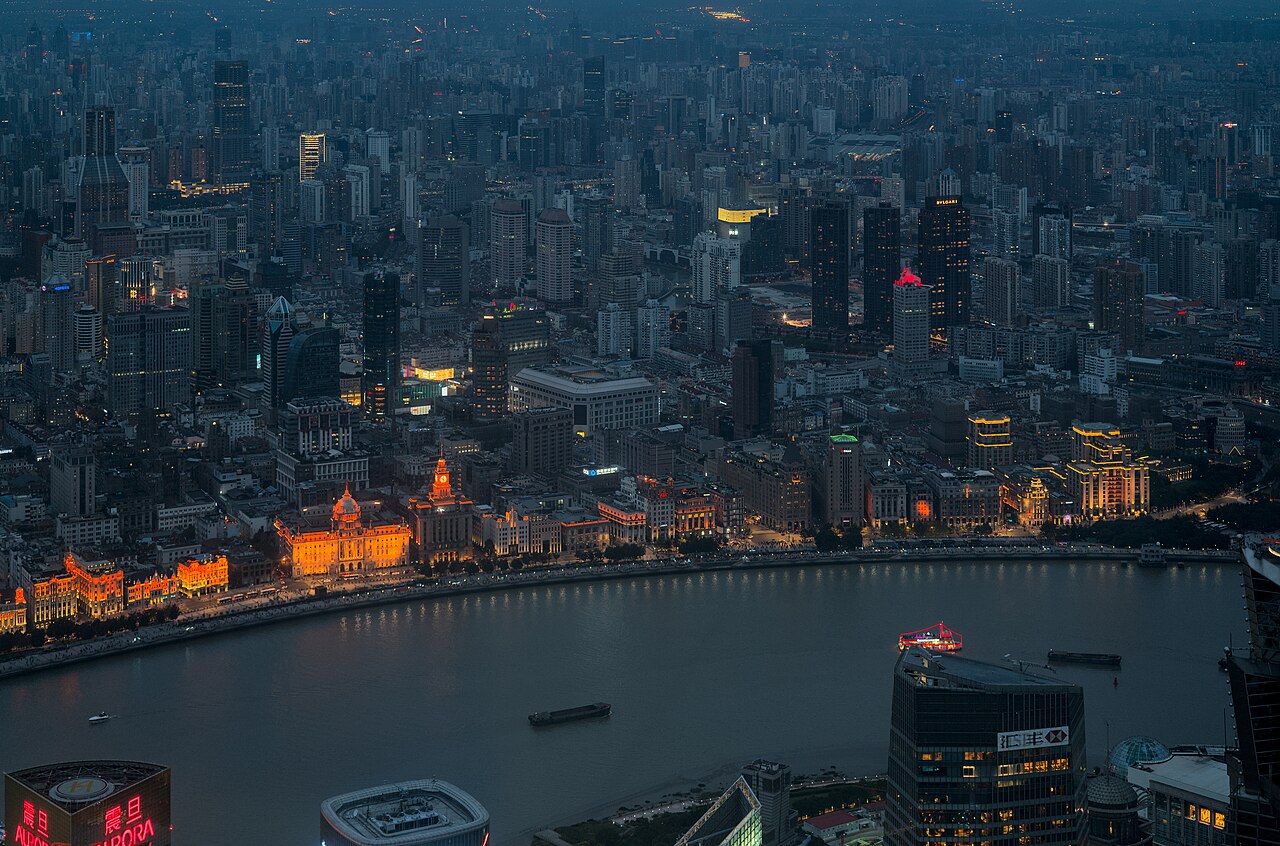
The tour takes about four hours and starts at a meeting point in or near Hongkou, which is easy to reach by metro. Check the schedule, group size and entry arrangements when you book, as some sites close on certain days or require advance registration. The tour pairs well with an evening on the Bund, since Hongkou lies just north of it, and it gives a thoughtful counterpoint to the more glamorous side of Shanghai history that you see on the riverfront.
Who it suits and what to know: the tour is a strong choice for history enthusiasts, for travellers of Jewish heritage who want to trace connections to the city and for anyone who wants to understand how Shanghai became a refuge. It is more reflective than entertaining, so choose a time when you are ready for a serious subject.
Bring a notebook or camera, ask the guide about sources if you wish to read more afterwards, and allow quiet time later in the day to take in what you heard. The warmth of the neighbourhood today offers a hopeful note.
Making the most of it
Read a short introduction to the refugee story before you go, so that names and places resonate on the walk. Carry a bottle of water, wear a sun hat in summer and keep time afterwards for a quiet lunch in the neighbourhood, where small restaurants serve simple local dishes in unhurried surroundings.
What to expect
The experience
A guided walking tour through Hongkou, visiting the lanes, a synagogue and a museum connected with the Jewish refugees of the 1930s and 1940s.
Best time
Morning, leaving the afternoon free for the Bund or another sight.
How long
About four hours at a reflective pace.
Tips
Wear comfortable shoes, dress modestly at religious sites and mention mobility needs when booking.
Quick picks
- Best for
- History lovers and curious travellers who want the story behind the skyline.
- Families
- Best for teenagers and older children who are interested in history.
- Couples
- A meaningful half day for curious pairs.
- Pair with
- The Bund and an evening river cruise.
- Time needed
- About four hours plus travel.
Good questions
Where does the tour go?+
It covers parts of Hongkou district, including the former refugee area, a synagogue and a museum about the refugees.
How long is it?+
About four hours, mostly on foot.
Is it suitable for children?+
Best for teenagers or older children interested in history, as the subject is serious.
Is there a dress code?+
Dress modestly at religious sites and the museum. Your guide will give details.
Can I cancel?+
Terms vary, so check the cancellation rules when you book.