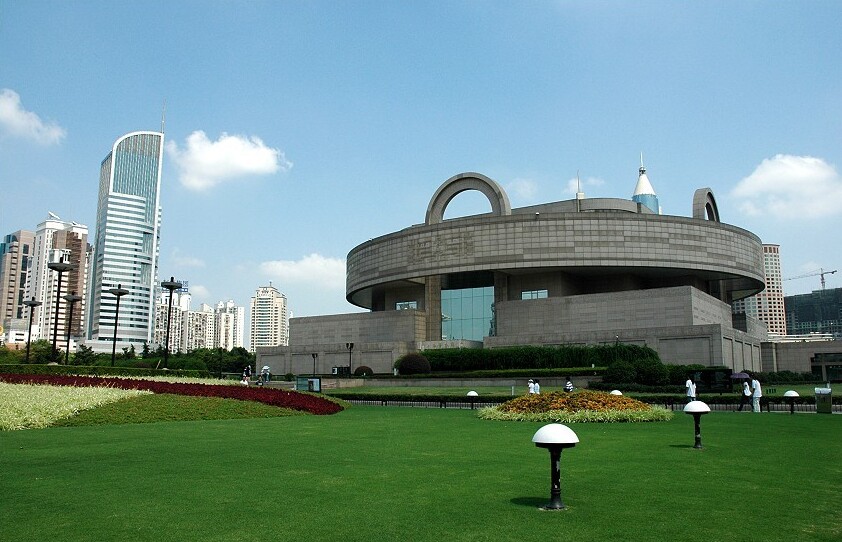
The Shanghai Museum is the best single place in the city to understand how old Chinese art developed, and it does so without overwhelming you. The building stands on the south side of People's Square and is shaped like an ancient bronze vessel, with a round top and a square base that echoes the old Chinese idea of a round heaven above a square earth. Inside are thousands of objects arranged over several floors, and the collection is known for the quality of its selection rather than its sheer size. The museum holds roughly a million items in total, and the permanent galleries show the highlights in a calm, well-lit sequence that is easy to follow even if you know nothing about Chinese history. The galleries are organised by material, which makes it simple to choose what to see. The bronze gallery is the star, with ritual vessels from the Shang and Zhou dynasties covered in dense patterns and long inscriptions. The ceramics galleries trace a thousand years of glazes, from early celadon to the blue-and-white porcelain that Europe prized. Other floors cover calligraphy and painting, jade, seals, coins, furniture and the clothing and crafts of China's minority peoples. Visitors with limited time can see the best in two hours by choosing bronzes, ceramics and painting, while those with more patience can spend half a day and still find new rooms. The galleries are air conditioned and quiet, which makes the museum a good retreat from heat or rain.
The museum has a clear logic that suits first-time visitors. Start on the ground floor with the bronzes, which give you the vocabulary of ancient Chinese ritual, then move up through sculpture, ceramics and the painting and calligraphy rooms, where scroll paintings are shown with careful lighting and rotated to protect them.
Jade and coins are smaller and quick to see, and the furniture gallery gives a sense of how Ming and Qing households actually lived. Labels are in English as well as Chinese, and audio guides are generally available at the entrance if you want more background.
Working the visit
General admission is free, though special exhibitions can charge separately and are often worth the extra. The museum is closed on Mondays, except when a Monday falls on a public holiday, and it normally opens in the morning and closes in the late afternoon, with the last entry about an hour before closing. Individual visitors have recently been able to walk in at quieter times, but reservations are still used during peak periods such as national holidays and school breaks, so check before you travel and bring your passport for the entry check.
Arrive at opening to avoid the school groups that fill the galleries by late morning, and allow at least two hours.
Practical notes
People's Square station is served by metro lines 1, 2 and 8, and the museum entrance is a short walk across the plaza. The area is also home to the Shanghai Urban Planning Exhibition Center and the city's opera house, so the square makes a natural half day if you want more culture.
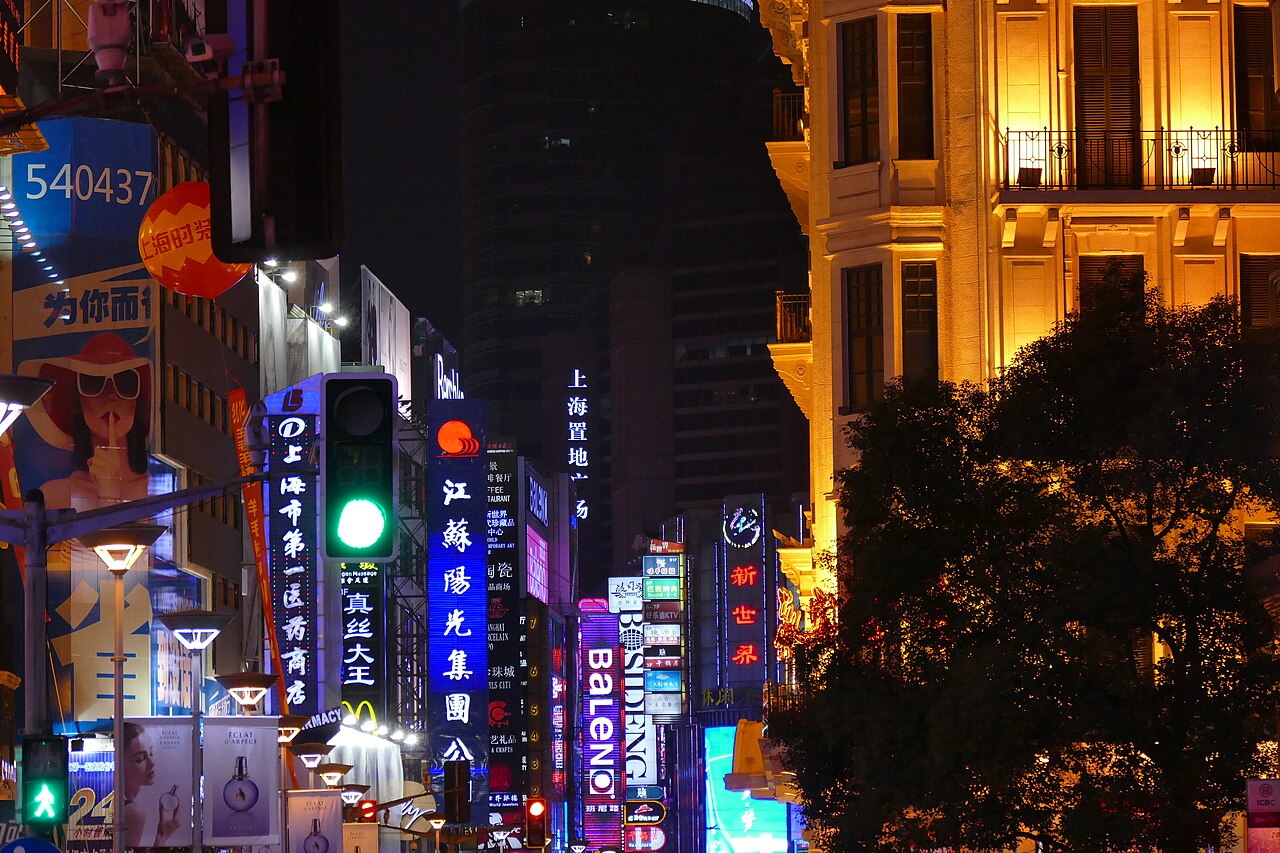
The museum shop is a good source of well-made gifts, from replica bronzes to silk and stationery, and the cafe offers a rest between floors. Large bags may need to be checked, so travel light, and keep your phone on silent in the quiet galleries. Pair the visit with a walk down Nanjing Road to the Bund afterwards.
What to expect
The experience
A self-guided walk through several floors of galleries organised by material, from ritual bronzes and ceramics to calligraphy, painting, jade and furniture.
Best time
Right at opening on a weekday, before the school groups arrive; also a good choice for a hot or rainy afternoon.
How long
Two to three hours for the highlights, or half a day if you enjoy every gallery.
Tips
Closed on Mondays, bring your passport, travel light and check whether reservations apply on holidays and school breaks.
Quick picks
- Best for
- Culture lovers and first-timers who want a clear introduction to ancient Chinese art.
- Families
- Good for older children who like objects and stories; younger ones may enjoy the bronzes and the minority-costume gallery most.
- Couples
- A quiet, air conditioned afternoon, followed by a stroll along Nanjing Road to the Bund.
- Pair with
- People's Square, Nanjing Road and the Bund, all within a short walk or metro hop.
- Time needed
- At least two hours, three for a relaxed visit.
Good questions
Is the Shanghai Museum free?+
General admission is free, though special exhibitions can carry a separate charge. Check the current rules before your visit.
Which day is the museum closed?+
It is closed on Mondays, except when a Monday is a public holiday. Opening hours are usually from the morning to the late afternoon, with last entry about an hour before closing.
Do I need to reserve a ticket?+
Individual visitors can often walk in at quieter times, but reservations are used in peak periods such as national holidays and school breaks, and for popular exhibitions. Bring your passport either way.
What are the highlights?+
The bronze gallery is the star, followed by ceramics, calligraphy and painting, and jade. Choose those if you only have two hours.
How do I get there?+
Take metro lines 1, 2 or 8 to People's Square station and walk across the plaza to the museum.