Palermo was once synonymous with the Mafia, and for visitors curious about that history an anti-mafia walking tour tells it from the other side. Instead of glamorising criminals, the walk follows the magistrates, journalists, shopkeepers and ordinary citizens who stood up to organised crime, and the movement that grew out of the killings of the early 1990s. You pass memorials, courthouses, shops that refused to pay protection money and the streets where key events took place. The tour is serious but never grim, and the best guides are local people who lived through the period. It adds a layer of meaning to a city that many travellers know only through film, and it shows how much Palermo has changed.
What to expect
The walk generally runs two to three hours through the centre, with stops at squares, memorials and buildings linked to the anti-mafia story. Guides explain how the Mafia grew in rural Sicily and the city, how it controlled construction, markets and politics, and how the Maxi Trial of the 1980s changed public attitudes. You may see tributes to Giovanni Falcone and Paolo Borsellino, the two judges whose murders in 1992 shocked Italy and galvanised resistance.
Tone and sensitivity
This is a history of real violence and real loss, and the best tours treat it respectfully. Many guides stress the civic response, including shops that publicly refuse extortion, volunteers who run cooperatives on confiscated land and young people who campaign on the anniversaries. It is suitable for adults and teenagers who can engage with the subject, and less so for small children.
Context for your trip
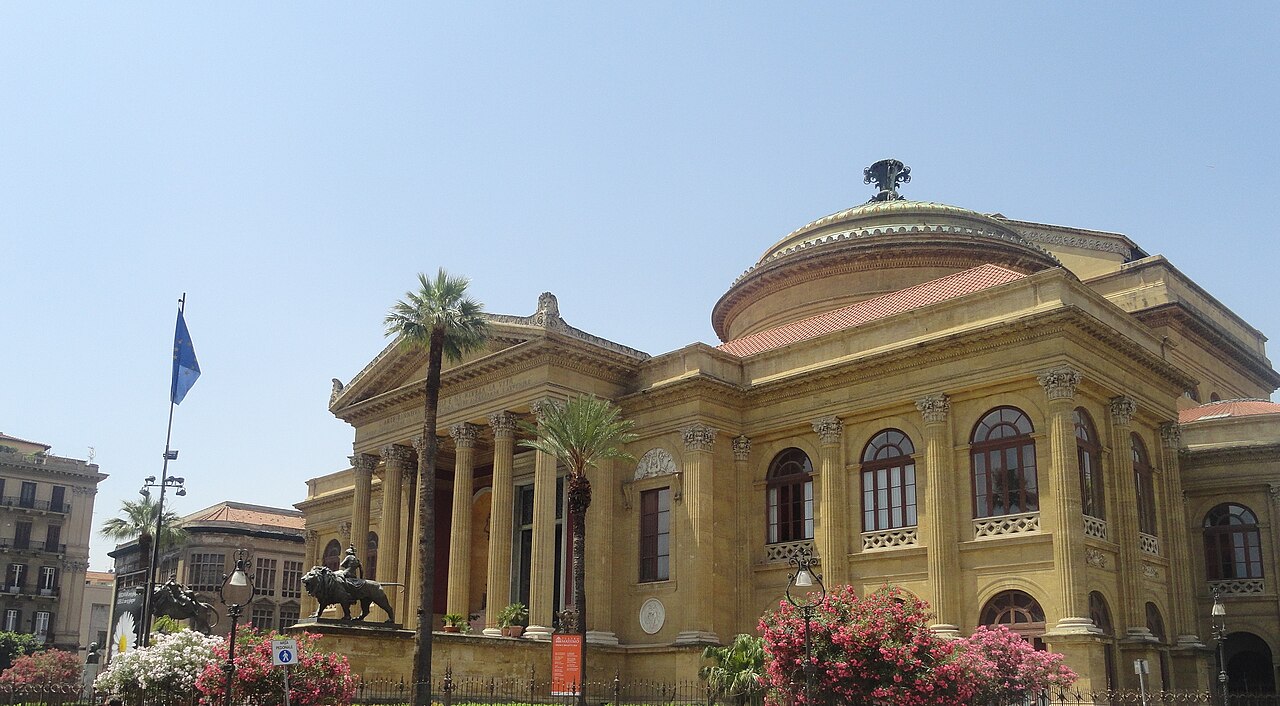
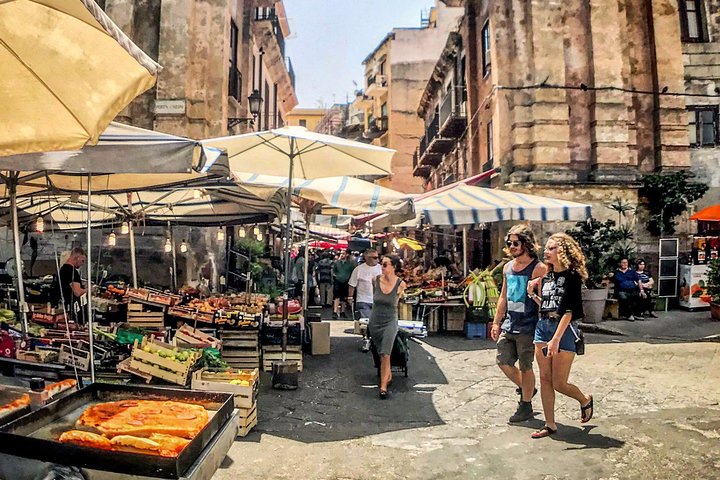
The story links neatly with other sights. The city's grand Teatro Massimo, a long-delayed restoration, became a symbol of renewal. Markets such as Ballarò and Capo are part of everyday life that the Mafia once taxed. A guide who knows both worlds adds depth to a food tour or a visit to the cathedral. Ask questions, since guides are often glad to talk about how Palermo feels now.
Practical tips
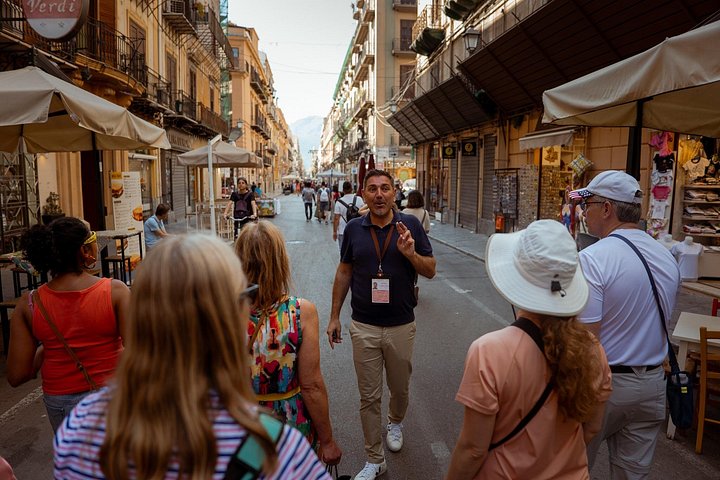
Tours run in English in small groups, usually starting near a central square. Wear comfortable shoes, carry water and expect some standing as the guide explains each stop. Sensitive subjects come up, so follow the guide's lead on photography near memorials. As with any city walk, keep valuables secure in busy areas.
Who it suits
Curious adults, film fans who want a counterpart to the Godfather story and anyone who wants to understand modern Sicily beyond the postcards. Combine it with a Corleone day trip for a rounded view, and finish with coffee and a pastry in a local bar while you reflect on what you heard.
A few more practical points
Groups are normally small, which makes conversation easier, and most guides welcome questions at any point. Because some of the history is painful, you may find it helpful to schedule something lighter afterwards, such as a coffee, a granita or a stroll through the Botanical Garden. The tour pairs naturally with books and films about the period, though none are needed beforehand, since the guides explain everything from the beginning.
Before you book, check the language and the start point, and ask whether the tour runs in all weather. Early morning and late afternoon departures are the most pleasant in summer, while midday can be very hot on the open squares. If you are travelling with a teenager, a short chat about the subject beforehand makes the tour more rewarding.
What to expect
The experience
A guided walk through the centre, visiting memorials and sites linked to the anti-mafia movement.
Best time
Morning or late afternoon, when it is cooler and the streets are calmer.
How long
Two to three hours on foot.
Tips
Wear comfortable shoes, ask questions and follow the guide on photography near memorials.
Quick picks
- Best for
- Curious adults who want the human story behind Palermo's reputation.
- Families
- Better suited to teenagers than young children, given the subject.
- Couples
- A thoughtful, conversation-starting morning.
- Pair with
- A Corleone day trip, the Teatro Massimo and a market food walk.
- Time needed
- Half a morning.
Good questions
Does the tour glamorise the Mafia?+
No. It focuses on the people and movements that resisted organised crime.
Is it suitable for children?+
It suits teenagers and adults better than young children.
Which sites will I see?+
Routes vary, but expect memorials, squares and buildings tied to the anti-mafia story.
Is the tour in English?+
Check the language when you book; many run in English.
Is it safe?+
Yes, it is a daytime walk in central areas, though normal city precautions apply.