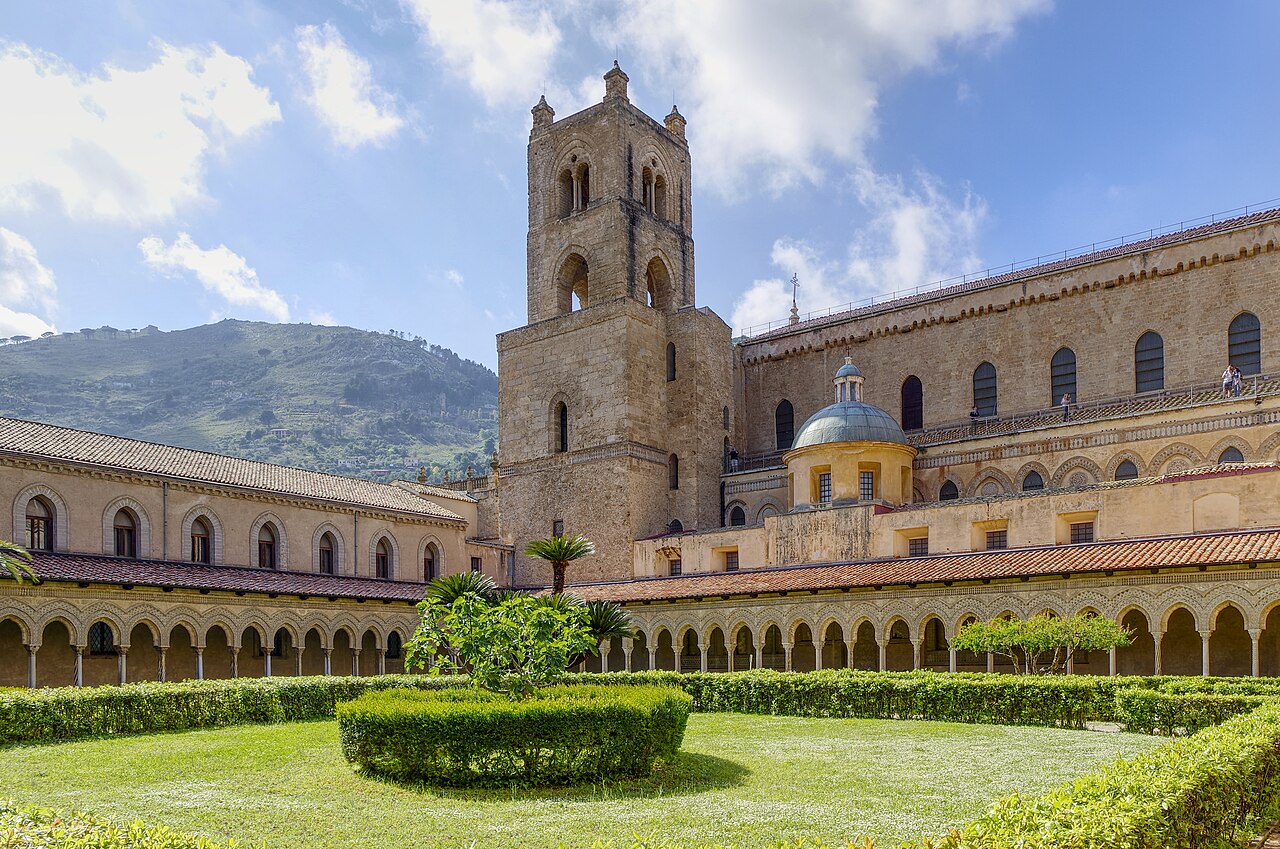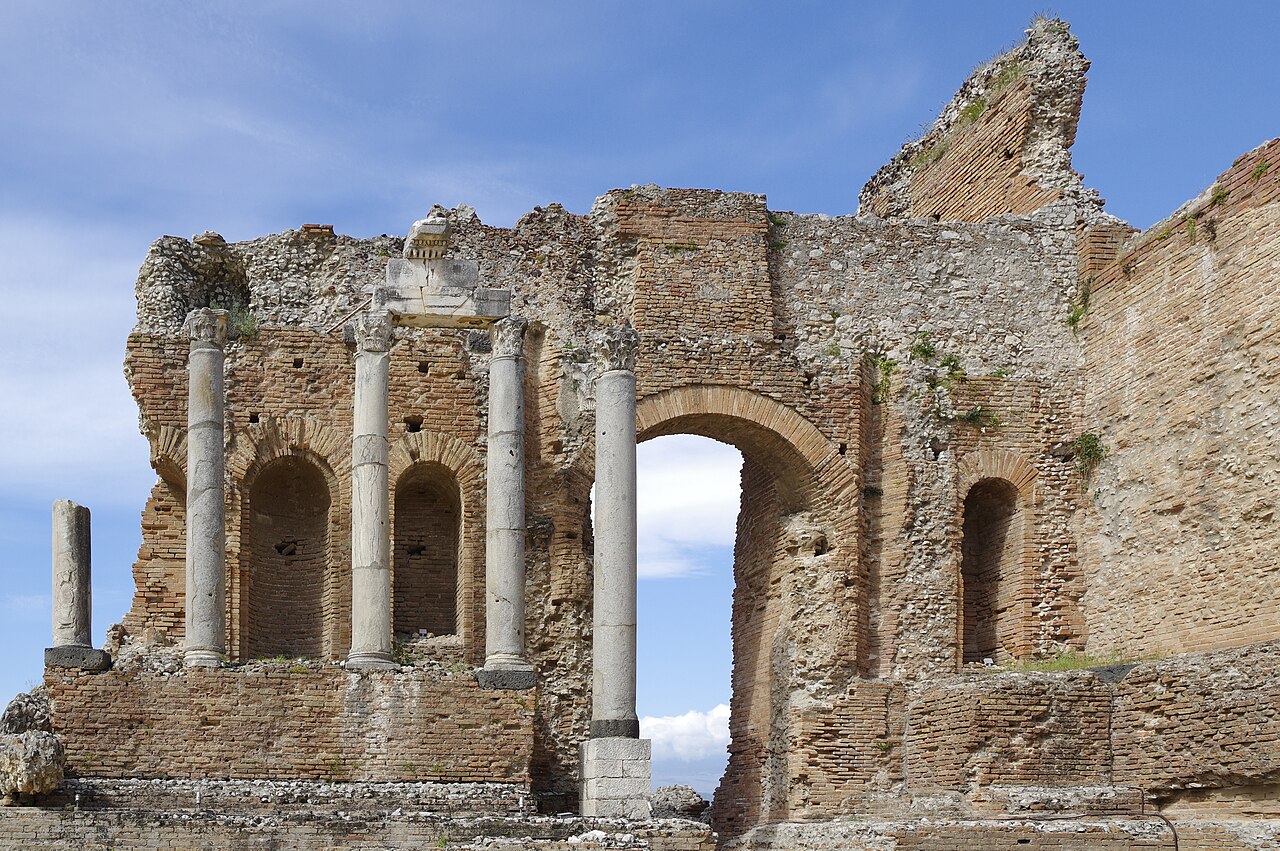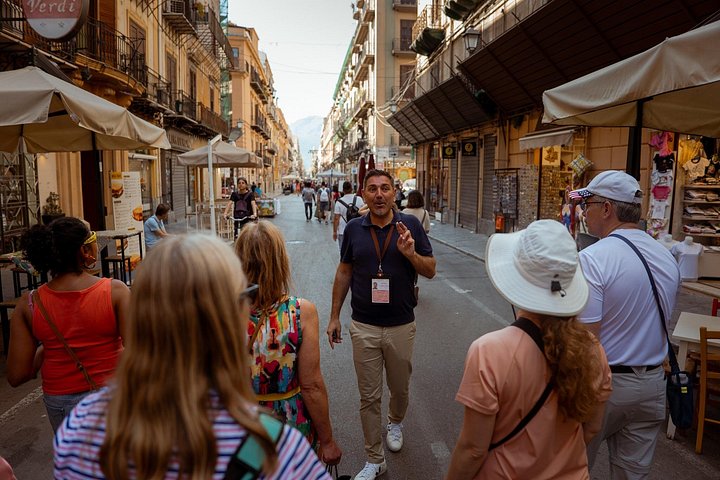
Palermo's historic centre is a puzzle of palaces, churches and markets from different eras, and a guided walk is the easiest way to put the pieces in order. A UNESCO sites walking tour follows the thread of the Arab-Norman period, when twelfth-century rulers blended Byzantine, Islamic and Latin traditions into a style found nowhere else. In about three hours you move between the monuments that earned the city its place on the World Heritage list, hearing how a Norman king in a Mediterranean capital came to employ Muslim architects and Greek mosaicists. The walk also takes in the places that give Palermo its character, such as Baroque squares, shuttered palazzi and streets where the daily market still runs. It is a good first activity because it shows how the city is laid out, helps you plan which interiors to book and gives you a guide to ask for restaurant tips.
What you see
A typical route covers the area around the Quattro Canti crossroads, Piazza Pretoria with its monumental fountain, the Cathedral district and the streets leading toward the Norman Palace. Depending on the operator, the group may step inside some churches, such as the red-domed San Cataldo and La Martorana, and walk past the Palatine Chapel, which often requires separate entry. Check what the tour includes inside and what is seen from the street, as opening times and restrictions vary by day.
The Arab-Norman story
Roger II and his successors ruled a multicultural kingdom, and their buildings show it. Pointed arches and carved wooden ceilings reflect Islamic craft, golden mosaics follow Byzantine tradition and the floor plans are Latin. A good guide explains how to read these layers, which makes later visits to Monreale and Cefalù far more rewarding. Several of the monuments in and around the city belong to the UNESCO series, and knowing which ones helps you prioritise tickets.
Pace and group size
Three hours on foot in a warm city is plenty, so wear comfortable shoes, carry water and cover shoulders and knees for church visits. Summer mornings are the best time to start, before the heat and the crowds build. Winter is mild, though rain can make the stone streets slippery. Small groups are easier to hear in the narrow lanes, so choose a time of day with fewer people if you can.
Making the most of it
Use the walk to scout. If the guide mentions a restaurant, a pastry shop or a quiet courtyard, note it for later. Many travellers return to the Palatine Chapel or the cathedral roof after the tour with a stronger sense of what they are looking at. Because it is a walking tour, accessibility can be limited by cobbles and stairs, so ask the operator about step-free options if needed.
Pair it with
The Norman Palace and Palatine Chapel entry, Monreale Cathedral, the street food tour and a late lunch at one of the markets. Together they make a strong first two days in Palermo, and the walk gives them a framework.
Seasonal notes
Spring and autumn give the most comfortable walking weather and softer light on the pale stone, while midsummer afternoons can be punishing, so choose a morning slot. In winter the day is shorter, the city is quieter and some churches keep reduced hours, which is another reason to confirm the stops in advance. Whatever the season, a small hat, a bottle of water and a light scarf for covering shoulders make the walk much easier.
What to expect
The experience
A guided three-hour walk around the historic centre, focused on the Arab-Norman monuments and the streets between them.
Best time
Morning, before the heat builds, especially from late spring to early autumn.
How long
About three hours on foot.
Tips
Wear comfortable shoes, carry water and cover shoulders and knees for church visits.
Quick picks
- Best for
- First-time visitors who want to understand the city before choosing where to spend their time.
- Families
- Fine for children who like walking; the history can run long for very young ones.
- Couples
- A good morning plan before a long lunch.
- Pair with
- The Norman Palace, Monreale and the street food tour.
- Time needed
- A morning.
Good questions
Which sites does the walk cover?+
Routes vary, but they generally link the Arab-Norman churches, the Cathedral district and the Quattro Canti. Check the day's itinerary when you book.
Are tickets to the interiors included?+
Not always. Some sites need separate entry, so check what is included.
Is it suitable for wheelchair users?+
Cobbled streets and steps limit access, so ask the operator about step-free options.
When should I do it?+
Early in your stay, since it helps you plan what else to book.
Will I walk far?+
The historic centre is compact, but expect about three hours on your feet.