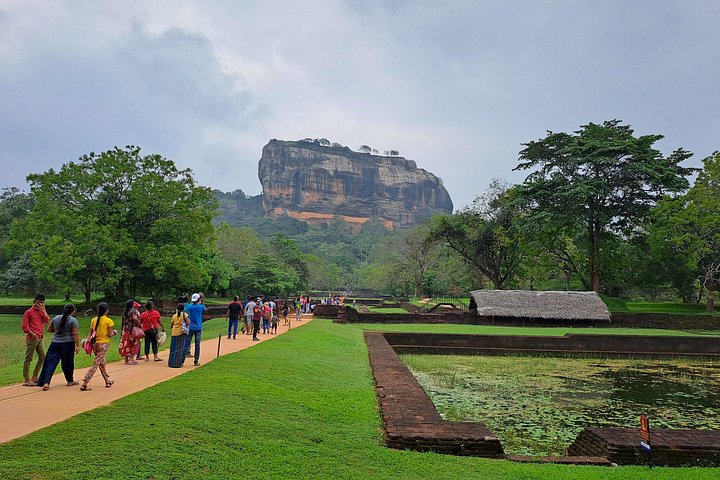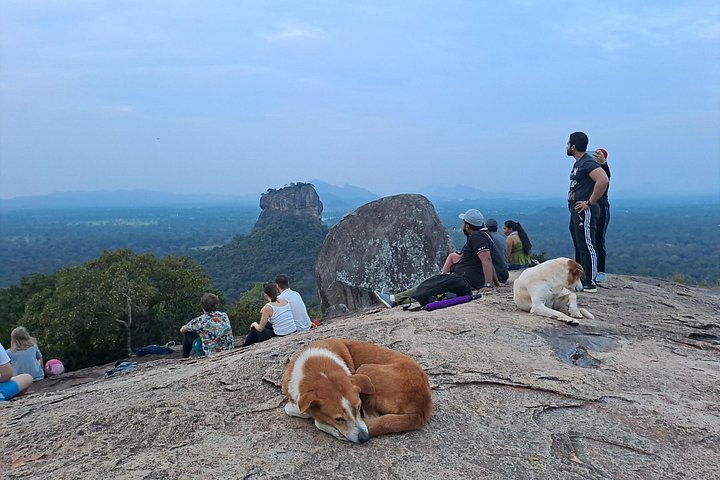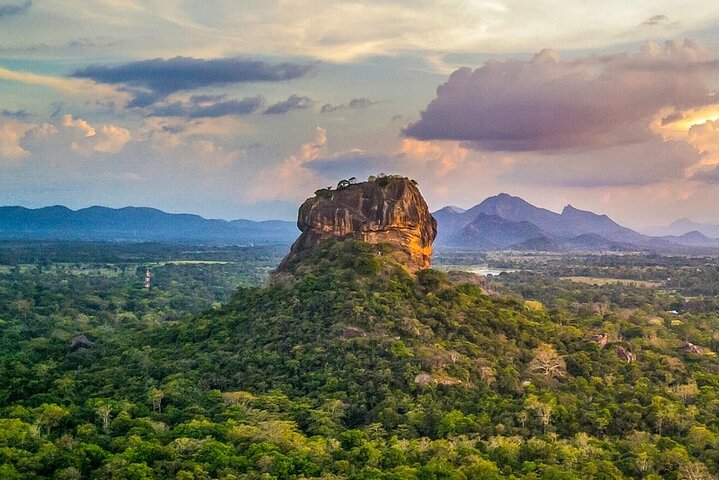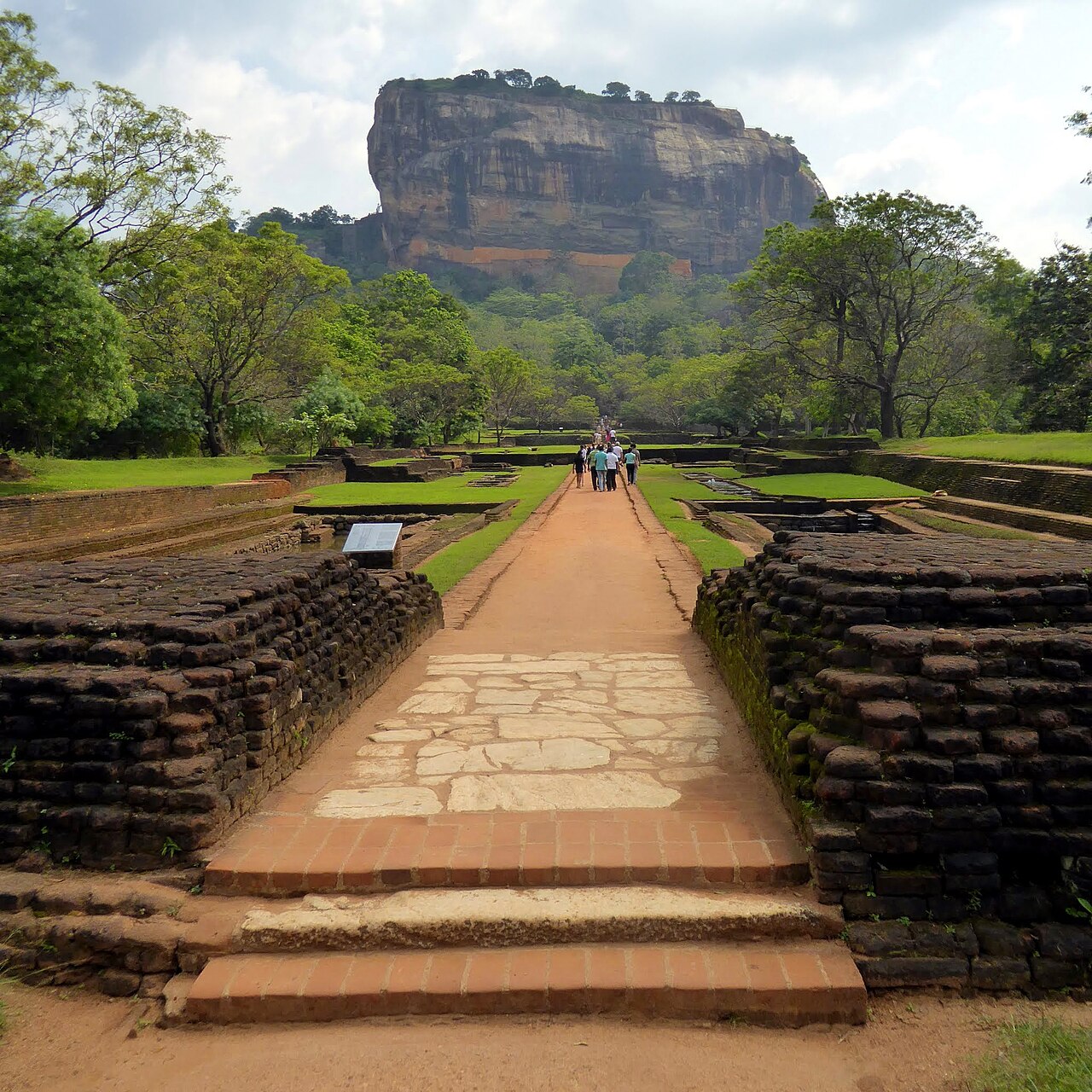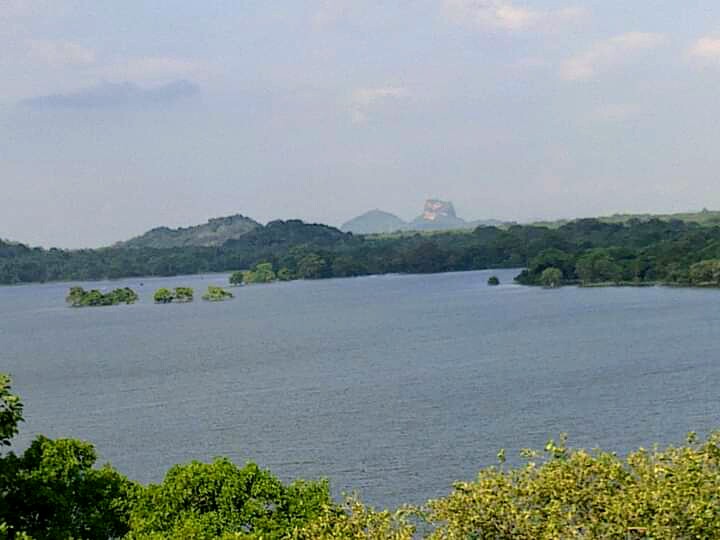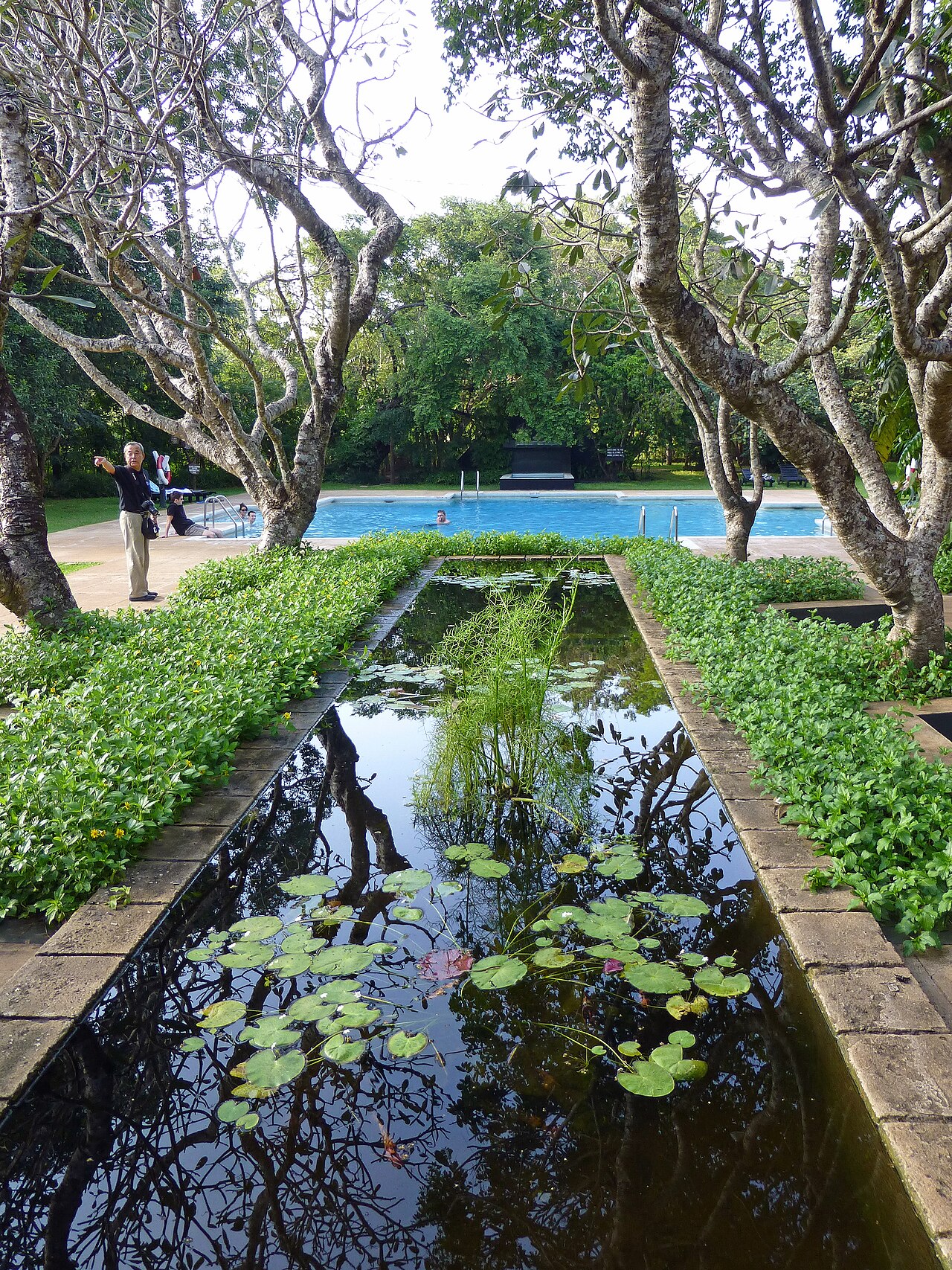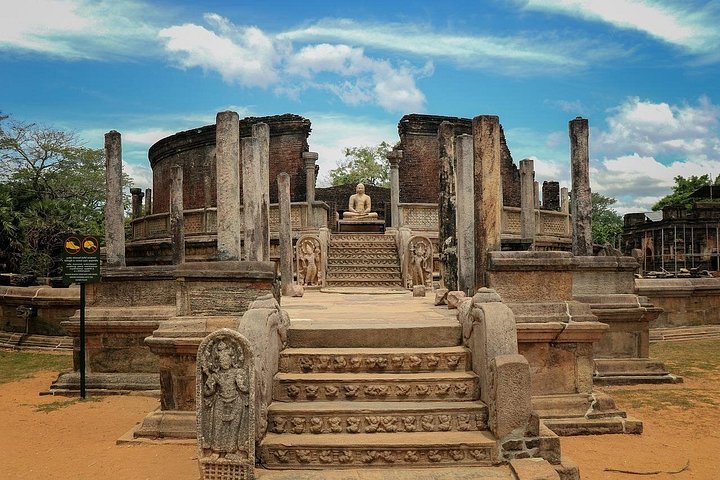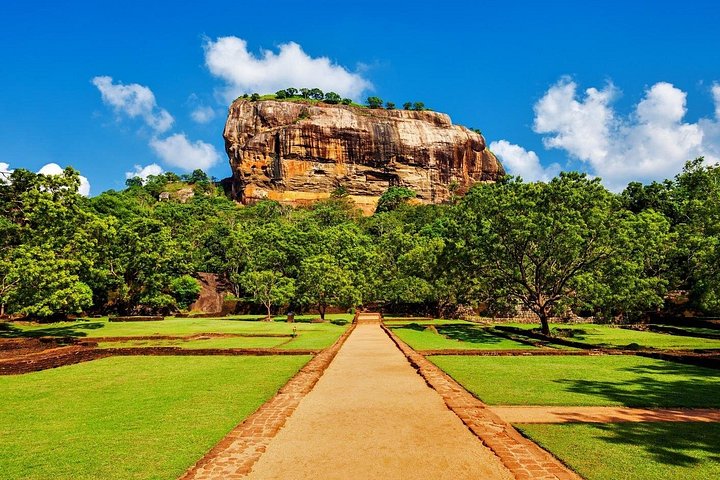
Sigiriya is the single most dramatic ancient site in Sri Lanka and the reason most travellers base themselves in this part of the island. A great plug of granite rises roughly two hundred metres out of the forest, and in the fifth century King Kashyapa made it his capital, building a palace on the flat summit and laying out a city of moats, ponds and terraced gardens at its foot. After his death the complex became a Buddhist monastery, and later it was abandoned to the jungle until it was rediscovered by colonial-era explorers. It became a UNESCO World Heritage Site in 1982. An entry ticket covers the whole archaeological site, which is much more than the climb. You approach through the water gardens, among the oldest surviving landscaped gardens in Asia, with symmetrical pools, fountains that still work after rain and boulder gardens that tuck pavilions beneath overhanging rock. From there a series of staircases and walkways climb the rock face, passing the Mirror Wall, once polished so smoothly that the king could see himself in it and now covered with centuries of visitors' poetry scratched into the surface. Higher up a spiral staircase leads to the famous frescoes, painted figures of women in a rock hollow that are among the finest surviving examples of ancient Sri Lankan art. Photography is not allowed in the fresco pocket, and numbers on the spiral staircase are controlled, so you may wait a short while. Beyond them the path reaches the Lion Platform, where two enormous stone paws flank the final stairway; the lion's head that once formed the entrance has long gone, but the scale of the paws tells the story.
How the ticket works
Foreign visitors pay a much higher entrance fee than locals, and a ticket product saves you the time of queuing at the ticket office on a busy morning. Read what is included when you book, since arrangements differ between operators, and bring your passport or a photo of it in case you are asked for identification. The site opens early and the best light and coolest temperatures are in the first hours, so aim to be at the gate soon after opening.
What to expect on the climb
The ascent has roughly twelve hundred steps, some of them steep metal stairways bolted to the rock with railings and a few narrow, exposed sections where traffic is controlled one way at a time. Most reasonably fit visitors take about two to three hours for the full visit including the gardens, pausing often.
At the summit you find the foundations of the palace, a large rock-cut cistern and views across forest, tanks and the neighbouring rock of Pidurangala. Wasps sometimes nest in the rock, and signs warn visitors to keep quiet near them.
Making the most of it
Wear shoes with good grip, carry water and a hat, and dress modestly since the site has religious significance. The heat builds quickly by mid-morning and afternoon storms can roll in during the wetter months, so start early and finish before lunch. The site museum near the entrance is worth a few minutes for context before you start.
If you want stories and background, add a guide or choose a guided option elsewhere in this guide; if you prefer to go at your own pace, an entry ticket on its own is simple and flexible.
What to expect
The experience
An entry ticket to the Sigiriya archaeological site, covering the water gardens, the rock climb, the frescoes and the summit ruins, to explore at your own pace.
Best time
The first hours after opening, when it is coolest and quietest, ideally in the dry season.
How long
Allow two to three hours for the gardens and the full climb, plus time at the site museum.
Tips
Wear grippy shoes, carry water and a hat, cover shoulders and knees, and bring your passport in case identification is requested.
Quick picks
- Best for
- First-time visitors and history lovers who want the headline sight at their own pace.
- Families
- Good for active older children; the stairs are steep and exposed, so very young children and anyone nervous of heights may prefer the gardens only.
- Couples
- A sunrise-hour climb with the summit to yourselves is hard to beat, followed by a slow breakfast nearby.
- Pair with
- Pidurangala Rock for the view of Sigiriya, or a village tour and cooking class in the afternoon.
- Time needed
- Half a day.
Good questions
Is the climb difficult?+
It is steep and hot, with around twelve hundred steps and a few narrow metal staircases. Most reasonably fit visitors manage it at a steady pace, but it is not suitable for people with heart, back or vertigo problems.
Can I take photos of the frescoes?+
No. Photography is not allowed in the fresco pocket, although you can photograph the views and the rest of the site.
When does the site open?+
It opens in the early morning and closes in the late afternoon. Arrive near opening to avoid the heat and the tour-bus crowds, and check the hours before you go.
Do I need a guide?+
No, but a guide adds a lot of background about Kashyapa, the frescoes and the water gardens. Many visitors pair an entry ticket with a guide on the day.
What should I wear?+
Light clothing that covers shoulders and knees, a hat, sunscreen and shoes with good grip. Avoid sandals that slip on worn steps.