There is no bad time to visit Sintra and Cascais, but there is a best time for what you want to do. The coast is sunny and dry for much of the year, the hills collect mist and cloud, and the crowds depend as much on the day of the week and the hour as on the month. This guide helps you choose a season and then fine-tune the days and times.
Spring
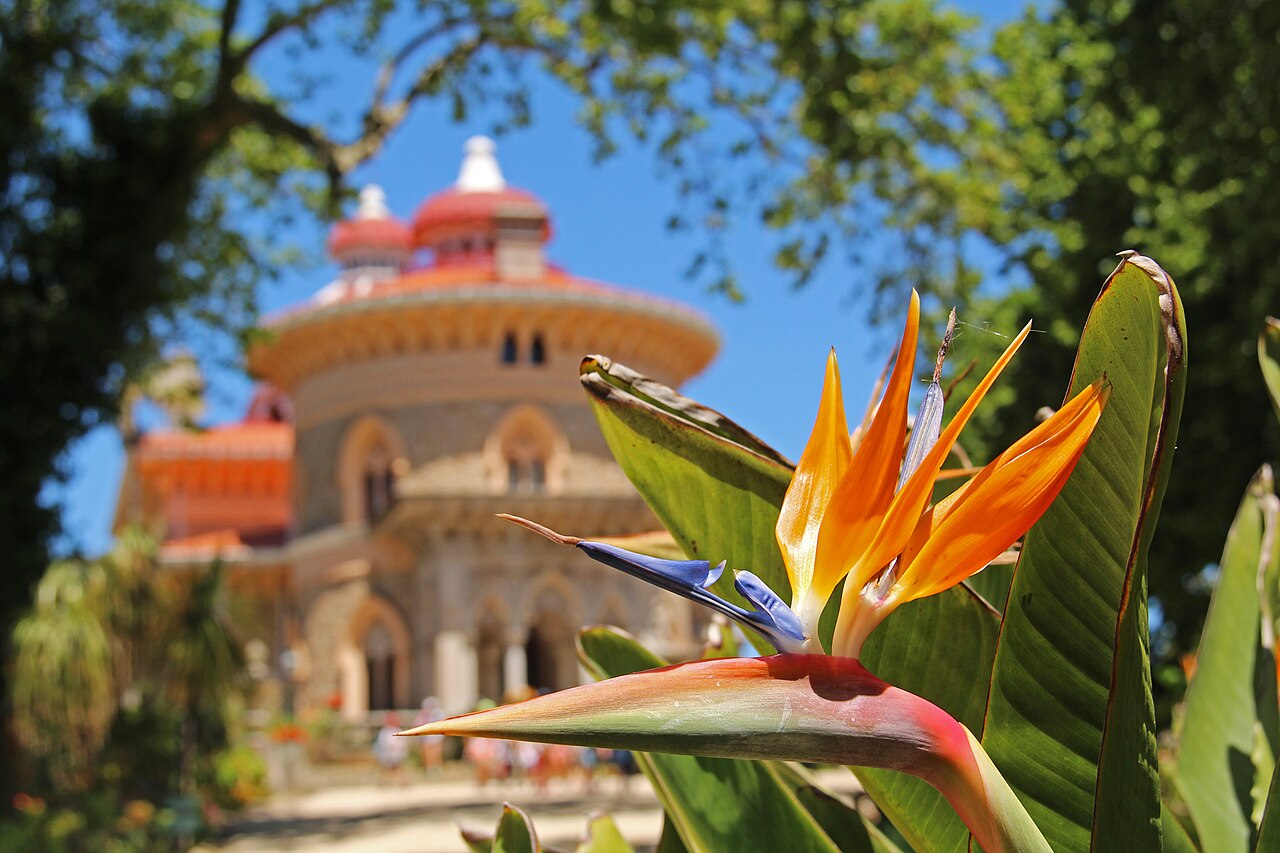
For many visitors, spring is the best compromise. The gardens at Monserrate and Pena are at their most colourful, the hills are green after the winter rains and the temperatures are mild enough for long walks. Crowds build through the season, especially around holidays, so book Pena in advance and expect the village to be busy from late morning. Evenings can still be cool, particularly on the coast, so bring a layer.
Summer
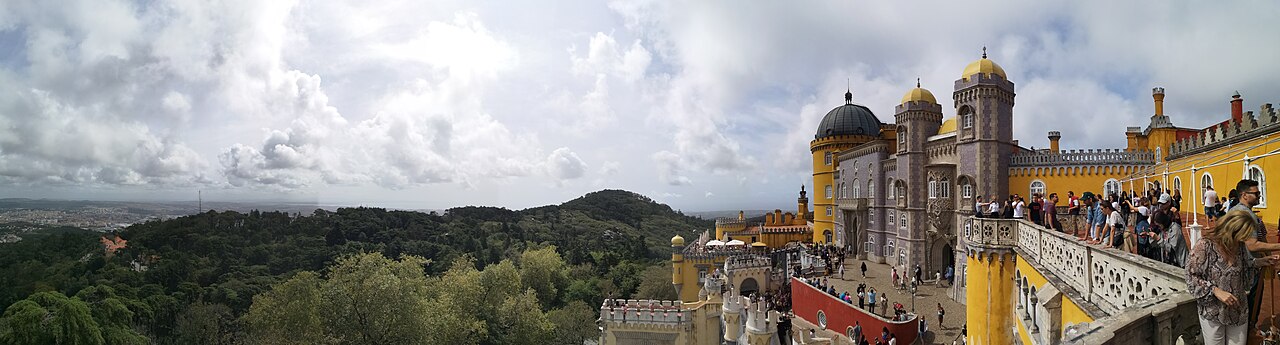
Summer brings long days, warm sea and the busiest palaces. Pena, Regaleira and the Moorish Castle can feel crowded from mid-morning to mid-afternoon, so start early and plan indoor rests during the heat. The Sintra hills are often several degrees cooler than Lisbon and sometimes wrapped in mist, even when the coast is sunny, which is a relief for sightseeing but a surprise for photographers. Beaches are at their liveliest, and Guincho can be windy even on hot days. Book hotels early, because rates rise and the best rooms fill months ahead.
Autumn
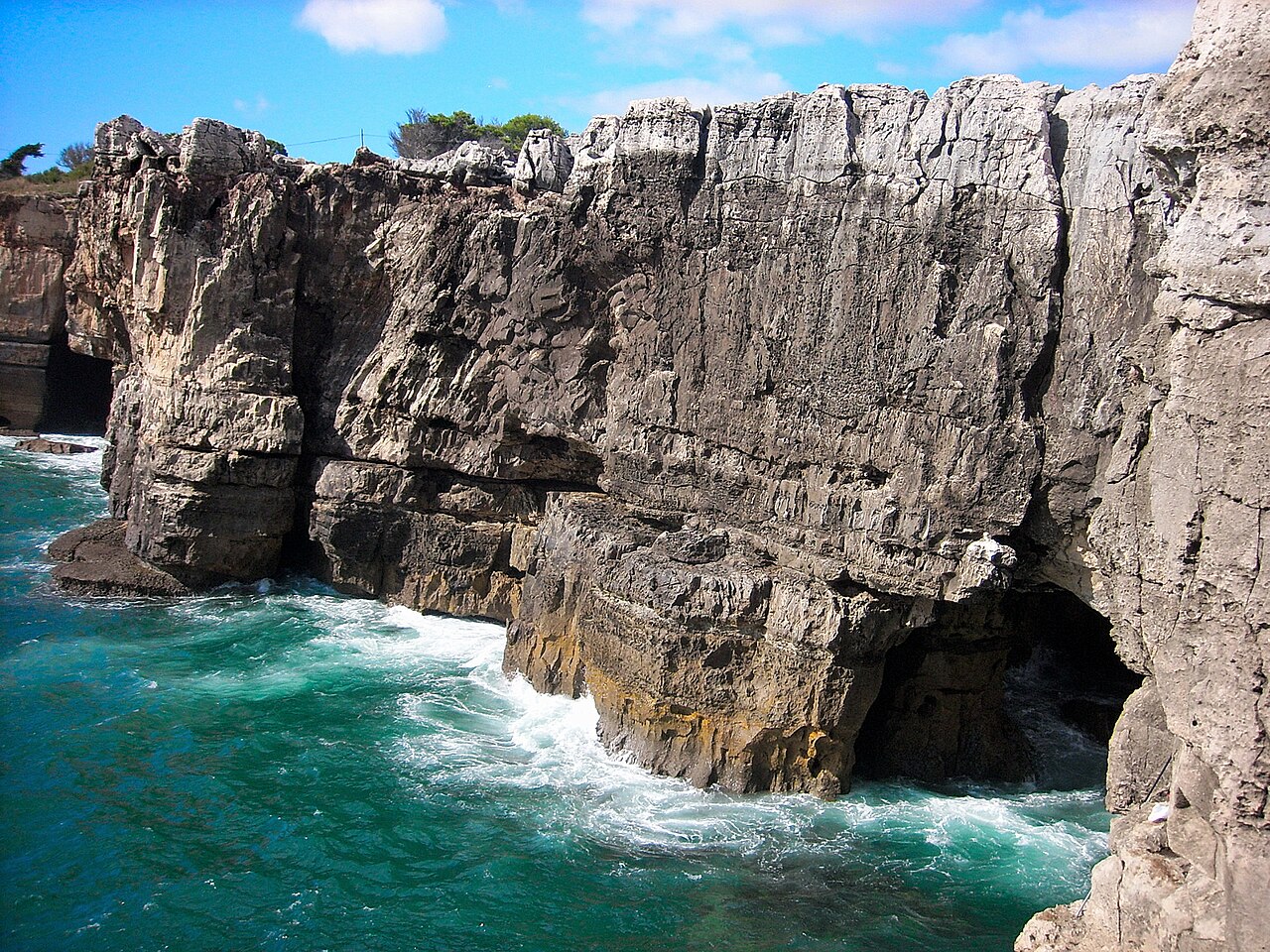
Early autumn is excellent. The water is still warm, the light is golden, the crowds thin after the summer peak and the hotels are easier to book. Rain becomes more frequent later in the season, and the first Atlantic storms can bring dramatic waves to Boca do Inferno and the cliffs near Cabo da Roca. Autumn is also a good time for forest walks and for the quieter monuments such as the Convent of the Capuchos.
Winter
Winter is the quiet season, and it has its own appeal. Palaces are less crowded, hotel rates are lower and the coast is wild and beautiful when the sea is rough. The hills are often misty and wet, and some of the paths and steps become slippery, so wear shoes with good grip and bring waterproofs. Choose indoor-friendly sights such as Queluz, Mafra and the Paula Rego museum for rainy days, and keep the gardens for brighter intervals. Remember that the monuments run by Parques de Sintra close on 24, 25 and 31 December and 1 January.
Shoulder months
The weeks either side of summer, roughly late spring and the first half of autumn, give the best balance of settled weather, open restaurants and manageable queues. In these months the sea is warm enough for a quick swim on the Cascais bay beaches, the days are long enough to fit a palace and a sunset into one outing and hotel prices are often well below the peak. If your dates are fixed in the middle of summer, protect your plans with early starts and a long, shaded lunch.
Weekdays and weekends
Weekdays are noticeably easier than weekends, because Lisbon day-trippers and local visitors fill the village and the palaces on Saturdays and Sundays. If your itinerary allows, put Pena and Regaleira on a weekday and keep the weekend for the coast. Public holidays behave like weekends, so check the calendar before you fix your dates.
Time of day
Early is almost always better. The first slots at Pena are the quietest and the light on the palace is at its best, while late afternoon is a good time for Regaleira, when the tour groups are leaving. The village is calm in the evening, and Cascais comes alive after dinner in summer. For sunsets, Guincho and Cabo da Roca are the classic choices, but check the wind, because it can be strong in the evening.
Weather quirks
Sintra has its own microclimate. Mist can roll in from the Atlantic and hide the palaces, then clear within an hour, so a cloudy morning does not always mean a wasted day. Check a forecast for the hills as well as the coast, carry a light waterproof, and be prepared to rearrange your day around the weather, which is easier if your timed tickets can be changed.
Our pick
If you can choose freely, go in late spring or early autumn, on weekdays, with an early start. Stay at least one night in Sintra, so that you can reach the palaces before the day-trippers, and one on the coast, to enjoy the light and the seafood. With that plan, you get the best of both places in almost any season.