Sintra and Cascais share a coastline but not a menu. Sintra is a pastry town with hearty mountain cooking and a small, unusual wine tradition, while Cascais is a fishing port that still cooks around what the boats bring in. Eating well here is mostly a matter of choosing the right place for the right meal, and of timing your meals around the palaces and the weather.
Sintra's pastries
Start with the two classics. The travesseiro is a long, flaky pastry filled with an almond and egg cream and dusted with sugar, and the queijada is a small, sweet cheese tart flavoured with cinnamon. Both are sold in the village's old pastry shops, and a morning coffee and a travesseiro makes the ideal fuel for the climb to Pena. Buy a few to carry in a bag, but eat them fresh, because the pastry is at its best on the day it is made. Expect queues at the best-known shops in the middle of the day, and go early or late if you want a seat.
Lunch in the hills
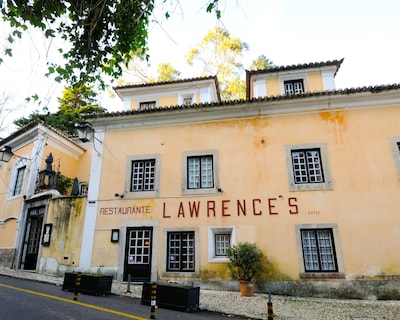
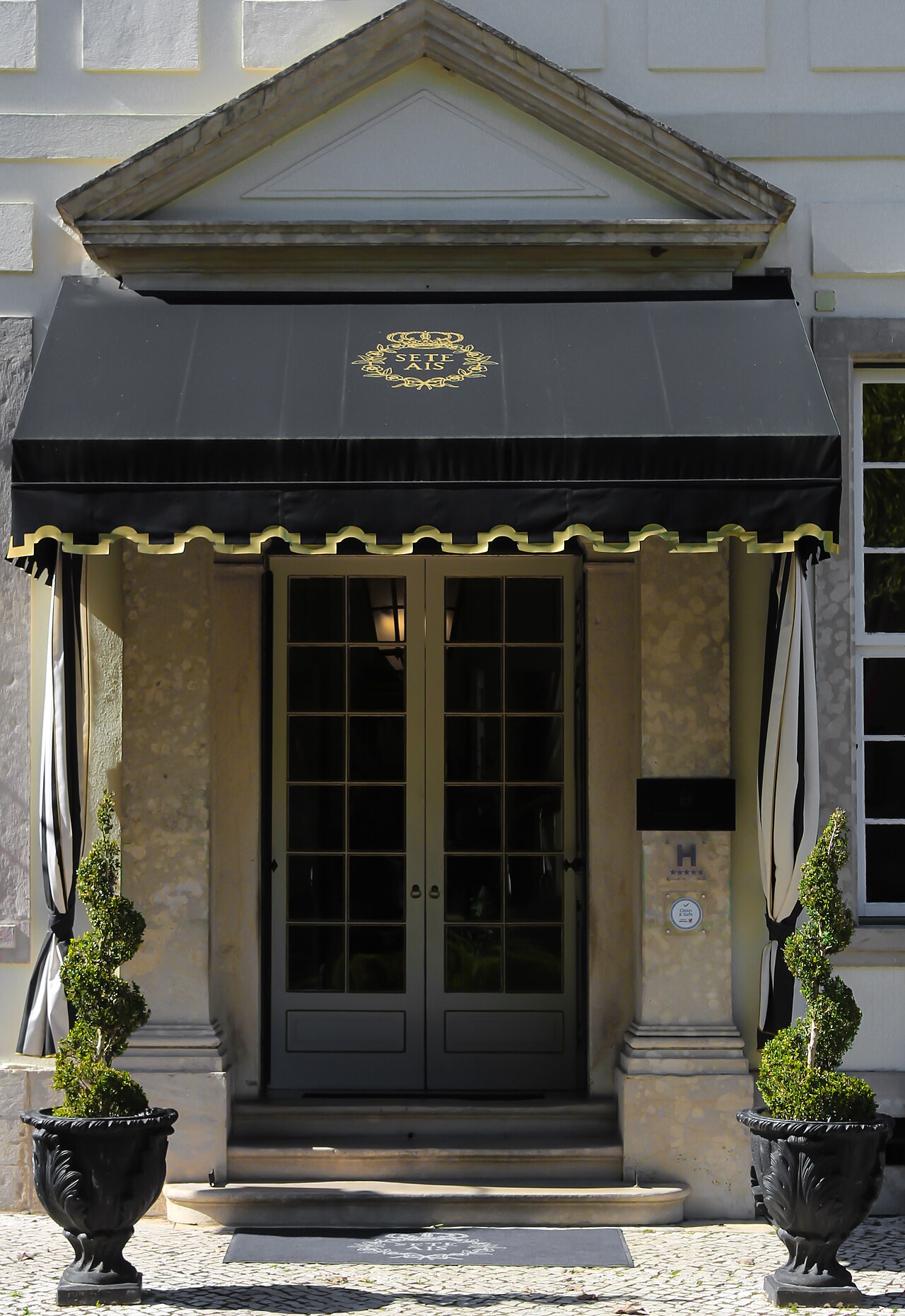
Sintra's restaurants range from simple tascas serving soups, grilled meat and fish to more polished dining rooms in historic buildings. Portuguese lunch is a long and generous meal, usually served from about half past twelve until mid-afternoon, so plan the palaces around it rather than squeezing it in. A bread-and-olives starter at the table is usually charged if you eat it, so say so if you would rather skip it. For a quick and cheap lunch, look for a prato do dia, the dish of the day, which often includes a drink and coffee. Lawrence's Hotel and Tivoli Palacio de Seteais both have restaurants or afternoon tea for a special meal after a day on the hills.
The wine of Colares
The countryside between Sintra and the sea produces one of Portugal's rarest wines. The Colares vineyards are planted in deep sand along the coast, and the vines grow on their own roots, because the sandy soil protected them from the phylloxera pest that devastated European vineyards. The reds, made largely from the Ramisco grape, are tannic, mineral and long-lived, while the whites, from Malvasia, are salty and fresh. Production is small, so the wines can be hard to find outside the region. Ask for Colares in a local restaurant or a wine shop, and consider a tasting if you are taking a tour that visits the area.
Cascais and the sea
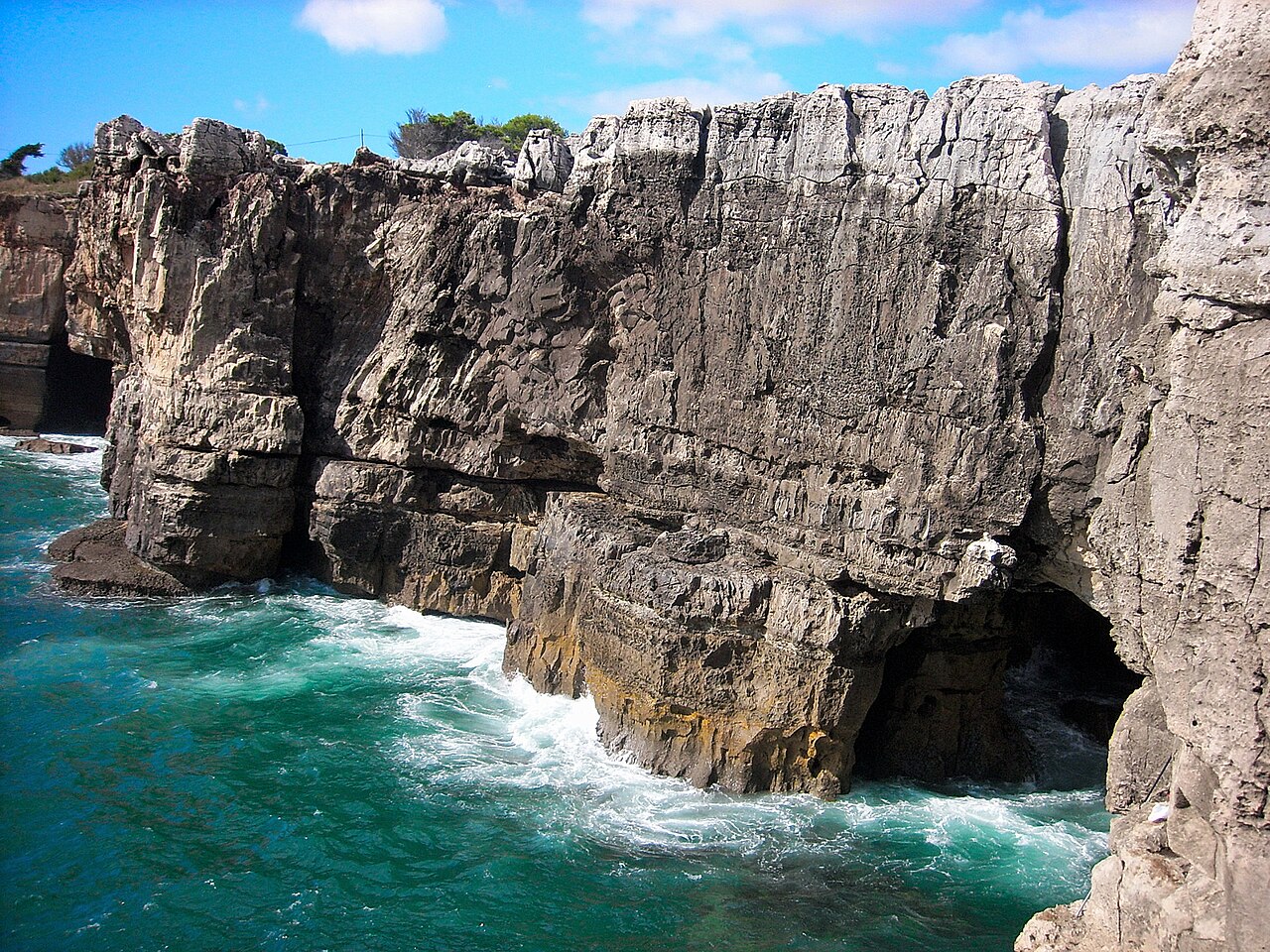
In Cascais, fish is the point. Look for grilled sea bream, sea bass or the catch of the day, sold by weight, as well as seafood rice, clams in garlic and white wine, and goose barnacles on the rocky Atlantic coast, a local delicacy that tastes of the sea. Ask the price before you order fish sold by weight, and check the size on the scale. The old town has a mix of casual spots and elegant restaurants, and the pedestrian streets are full of terraces on summer evenings. A long-running ice cream parlour near the old town is a favourite for a post-dinner treat.
Out at Guincho
The restaurants near Guincho Beach specialise in seafood and in views of the Atlantic, and a sunset meal here is one of the best ways to end a coastal day. Book ahead on weekends and in summer, and arrive in time to watch the light change. Dress for wind, because even a warm evening can turn cool on the exposed coast. If you are travelling with children, the beach itself is a good place to let them run before dinner.
Drinking
Coffee is small and strong, and a bica is the Lisbon word for an espresso, while a galao is a milky coffee in a glass. Portuguese beer is light and cold, and vinho verde and Alentejo reds are the staple table wines on the menu. Port is available everywhere, and a glass at the end of dinner is traditional. Tap water is safe to drink, and a jug of water at the table is normal.
Planning and budgeting
Eating well need not be expensive. Lunch is the best value, and the dish of the day is the easiest way to keep costs down, while dinner can be as simple or as grand as you like. Tipping is modest, usually a small round-up or a few coins, and service is rarely included in the bill. Make reservations for Friday and Saturday evenings and for any restaurant you have your heart set on, and note that some places close on one weekday, often Monday or Tuesday.
A simple food plan
Take a travesseiro for breakfast in Sintra, a prato do dia lunch between palaces, an afternoon pastry and then dinner by the sea in Cascais. Add a glass of Colares if you can find it, and finish with a walk along the waterfront. It is hard to eat badly in this part of Portugal, and easy to eat memorably.