Between 1944 and 1989, Bulgaria was one of the most loyal members of the Eastern Bloc, and the capital was rebuilt to show it. A guided communist-era walking tour is the quickest way to read those decades in the streets of Sofia. The route usually starts around the Largo, the monumental ensemble of Stalinist-classical buildings that replaced a bombed section of the old centre in the 1950s. The former Party House, once the seat of the Communist Party, dominates the square, and the guide explains how the building, its removed red star and its neighbours were meant to project permanence and power. From there the walk moves through parks, boulevards and residential blocks, with stops that typically include the site of the former mausoleum of the first communist leader, which was demolished in 1999 after years of debate, and the Monument to the Soviet Army, a huge pedestal and sculpture group that has become a canvas for protest paint and political satire. Along the way the guide describes the five-year plans, the queues and shortages, the housing blocks, the secret police and the quiet ways people got around the rules, and how all of it ended in the winter of 1989 and the years of hard transition that followed. What makes the tour work is the human scale. Good guides pair the big political story with small details: what people ate, what they were allowed to read, how a telephone or a car could take years to obtain, and the jokes that circulated in kitchens. Many guides grew up in the period or have parents who did, and their answers to questions are often the best part of the walk. The tone is balanced rather than nostalgic or mocking, and it is easy to follow even if you know little about Bulgarian history.
What to expect
Groups are usually small, the pace is relaxed and the route is mostly flat, covering a couple of kilometres at a stroll. You will stand and listen at each stop, so comfortable shoes matter more than anything else. Most operators run the tour in English, and some also offer other languages. Meeting points are normally in the centre, close to a metro station, and the walk ends in the heart of town where cafés and restaurants are easy to find.
When to go
Morning or late afternoon walks are the most pleasant in summer, while winter departures are best at midday when it is lightest. Rain does not usually cancel the tour, so bring a light waterproof layer. The walk does not enter museums, which means there are no tickets to queue for and no closing days to worry about, but it also means the experience depends on weather and on the guide you get.
Why it pairs well
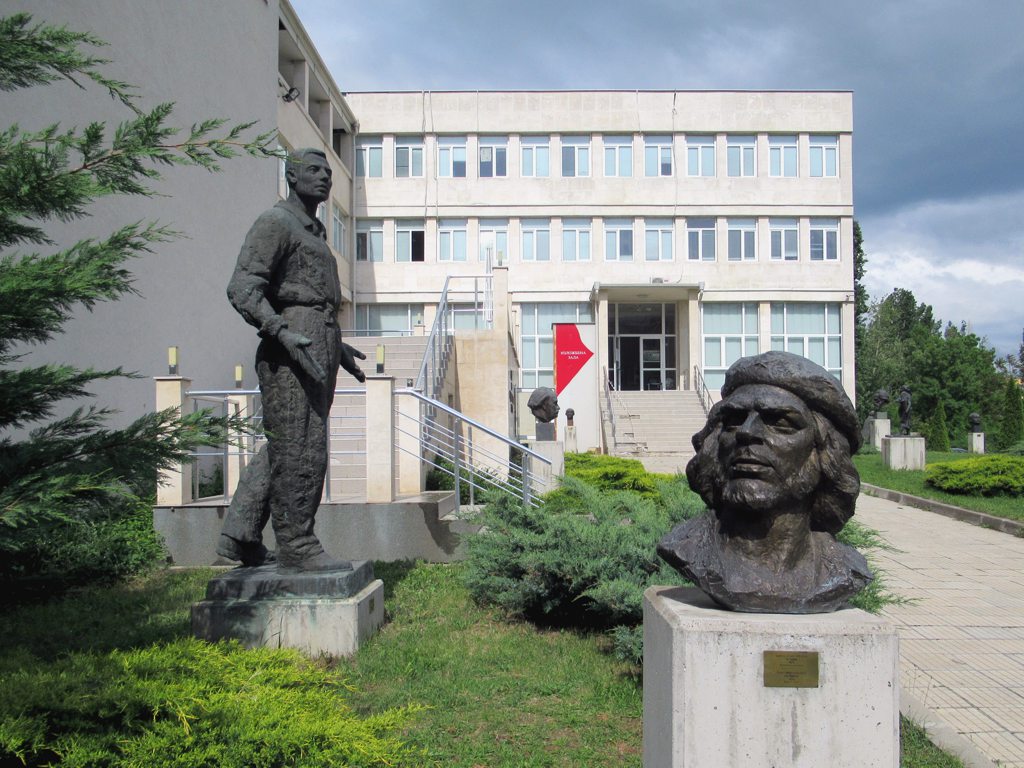
The tour sets the scene for the sculpture park of the Museum of Art from the Socialist Period, where the heroic statues from the era are gathered, and it makes the architecture of the Largo much more interesting on a second visit. If you only have one day in Sofia, take the communist walk in the morning and spend the afternoon among the Roman streets of Serdica for a lesson in how many empires the city has outlived.
Good to know
The subject can be heavy, since the period included repression as well as everyday routine, and thoughtful guides do not skip that. Families with teenagers often find it one of the most engaging tours in the city, while very young children may lose interest during the longer explanations.
What to expect
The experience
A guided walk on foot through the central streets and parks, with stops at the main socialist-era sites.
Best time
Morning or late afternoon in summer, midday in winter.
How long
About two hours, mostly at an easy pace.
Tips
Wear comfortable shoes, bring a light rain layer and ask the guide about everyday life, not only politics.
Quick picks
- Best for
- Visitors who want the story of the socialist decades told by someone who knows it first-hand.
- Families
- Works well for teenagers; younger children may find the explanations long.
- Couples
- A thoughtful, conversation-starting way to spend a morning.
- Pair with
- The Museum of Art from the Socialist Period and the Serdica ruins.
- Time needed
- Two to two and a half hours.
Good questions
What does a communist tour of Sofia cover?+
Typically the Largo and the former Party House, the site of the demolished mausoleum, the Monument to the Soviet Army and examples of socialist-era architecture, with stories about daily life.
Is the tour suitable for people who know little about Bulgarian history?+
Yes, guides explain the background from the start and keep the focus on understandable, concrete details.
Does the walk go inside museums?+
No, it is an outdoor street tour, so there are no entry tickets or closing days to plan around.
What language are tours in?+
English is the usual language, and some operators offer other languages; check when you book.
Should I tip the guide?+
Tipping is customary for good service on guided walks, and a modest tip is appreciated.