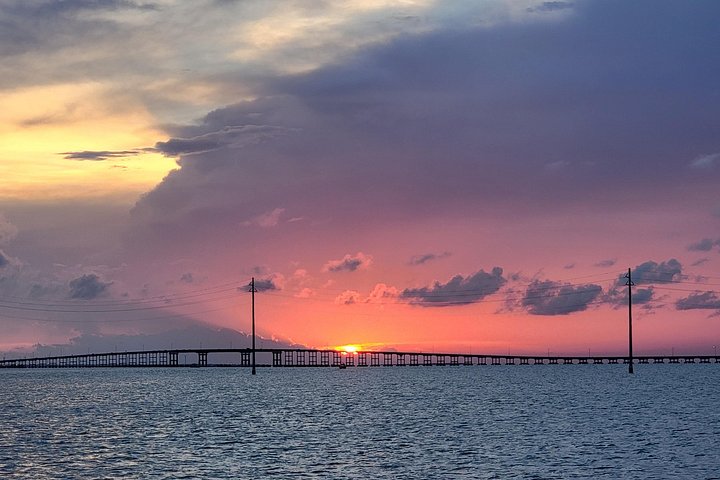
South Padre Island has a long beach season, but the experience changes sharply from month to month. The right time for you depends on whether you want warm water, quiet beaches, migrating birds, turtle nesting, or the lowest prices. Here is how the year breaks down.
Winter (December to February)
Winter is mild by northern standards, with cool mornings, breezy days, and the occasional cold front. It is not typical swimming weather, but it is excellent for walking the beach, birding, fishing, and photography. Retirees from colder states, known locally as winter Texans, fill hotels and condos for weeks or months, so long-stay deals and monthly rates are common. Bring layers for bay cruises, since wind over water feels colder than the air temperature suggests.
Spring break (March)
March is the island's famous party season, when large crowds of college students arrive. Padre Boulevard and the central beaches are loud, busy, and full of events, and hotel rates peak with minimum-night rules. If that energy appeals, it is a lively week. If you want peace, avoid March or choose a quiet base such as Port Isabel, and consider heading to the southern tip or the north beaches early in the day.
Late spring (April and May)
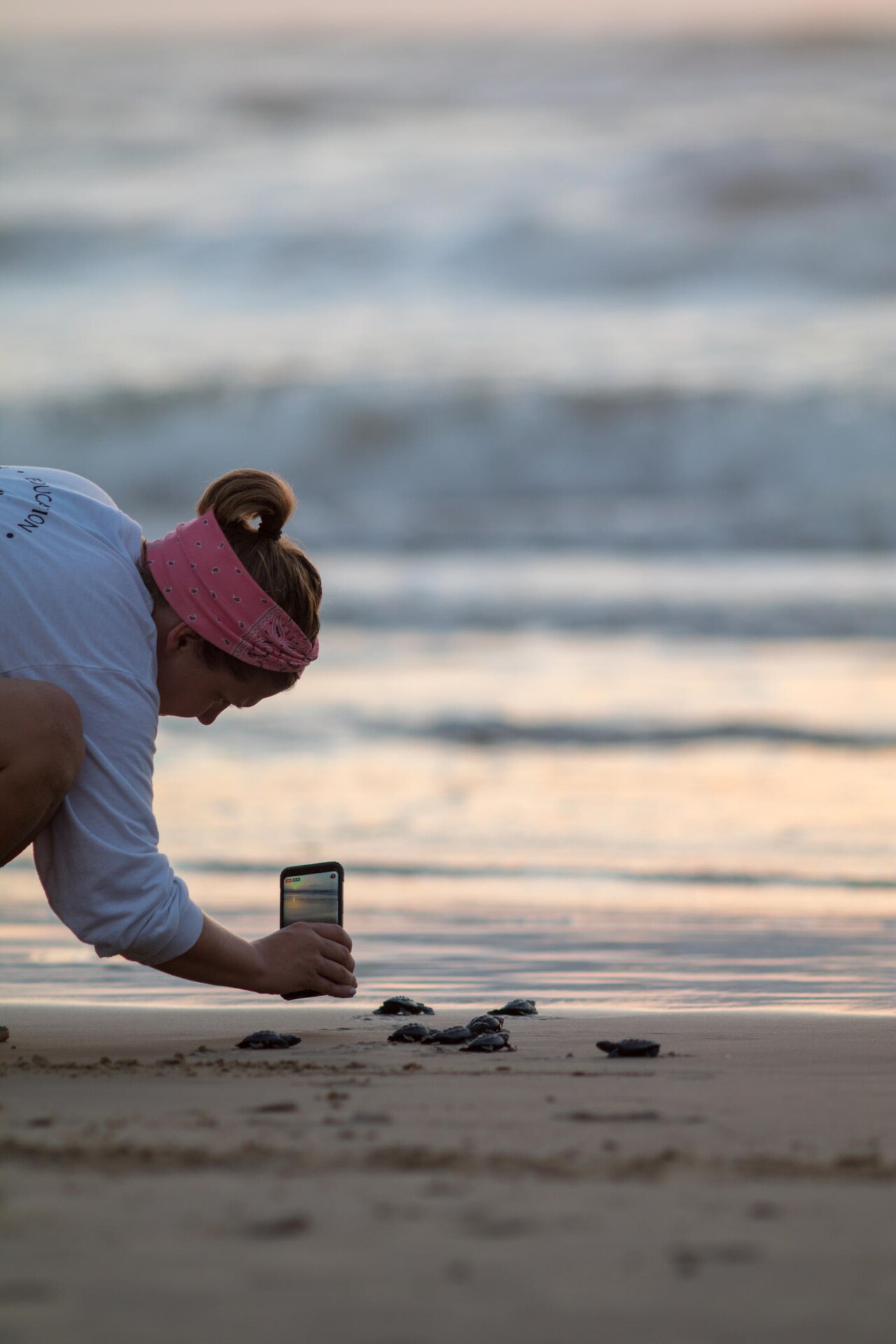
This is a sweet spot. The water warms, the crowds thin after spring break, and migrating birds peak at the Birding and Nature Center and on the mainland. Kemp's ridley nesting begins on Texas beaches, so Sea Turtle, Inc. may announce hatchling releases later in the season. Rates are moderate and weather is pleasant, though winds can be strong and an occasional cold snap or storm may appear.
Summer (June to August)
Summer is hot, humid, and busy with family vacationers. The water is warm and the beach is lively, and dolphins, parasailing, and water sports are in full swing. Plan outdoor activities for early morning and evening, take breaks in the pool, and drink water constantly. This is also the season of afternoon thunderstorms, mosquitoes at dusk, and the start of hurricane season. Sunscreen, hats, and shade are essential.
Fall (September to November)
Many locals consider fall the best time. Water stays warm, crowds thin after Labor Day, rates fall, and fishing is excellent. Bird migration picks up again, with hawks, warblers, and shorebirds passing through. The main risk is hurricane season, which peaks from August through October, so look at flexible cancellation and travel insurance. When the weather cooperates, fall is hard to beat.
Hurricanes and storms
The Atlantic hurricane season runs from June through November. Most days are fine, but a storm can close the island and cancel plans. Watch forecasts, book refundable rates if possible, and follow local guidance if an evacuation is announced. Wind and lightning can also cancel boat trips and parasailing even on ordinary days, so build flexibility into your schedule.
Wildlife calendar
Dolphins live in the bay all year. Bird migration is strongest in spring and fall, while winter brings waterfowl and cranes to the mainland. Turtle nesting runs roughly from spring into summer. Fishing for trout and redfish is good in much of the year, with fall and spring especially popular.
Prices and crowds
Expect the highest rates during March, summer holiday weeks, and peak winter periods, and the best values in late spring, early fall, and midweek. Book far ahead for popular dates. If you can choose, aim for late April, May, or October for a balanced combination of weather, wildlife, and cost.
The short answer
For lively energy, come in March. For family beach weather, choose June through August. For quiet and value, pick May or October. For birding and fishing, choose fall, winter, or spring. Whatever season you pick, bring sun protection and keep a flexible plan for the wind.
Packing by season
In winter, bring layers, a windbreaker, and closed shoes for birding. In spring and fall, pack light clothing with a sweater for evenings. In summer, prioritize sun protection, breathable fabrics, water shoes, and insect repellent. In every season, keep a hat, sunglasses with a strap, and a refillable bottle at hand. Check marine forecasts and local advisories before water activities, and keep a flexible mindset, because wind, tides, and wildlife make each day unique.