South Padre Island is a resort town, but it sits in one of the richest wildlife regions in North America. Warm water, shallow lagoons, and a position on major migratory flyways bring dolphins, turtles, hundreds of bird species, and even alligators. This guide explains where to look and how to look responsibly.
Sea turtles
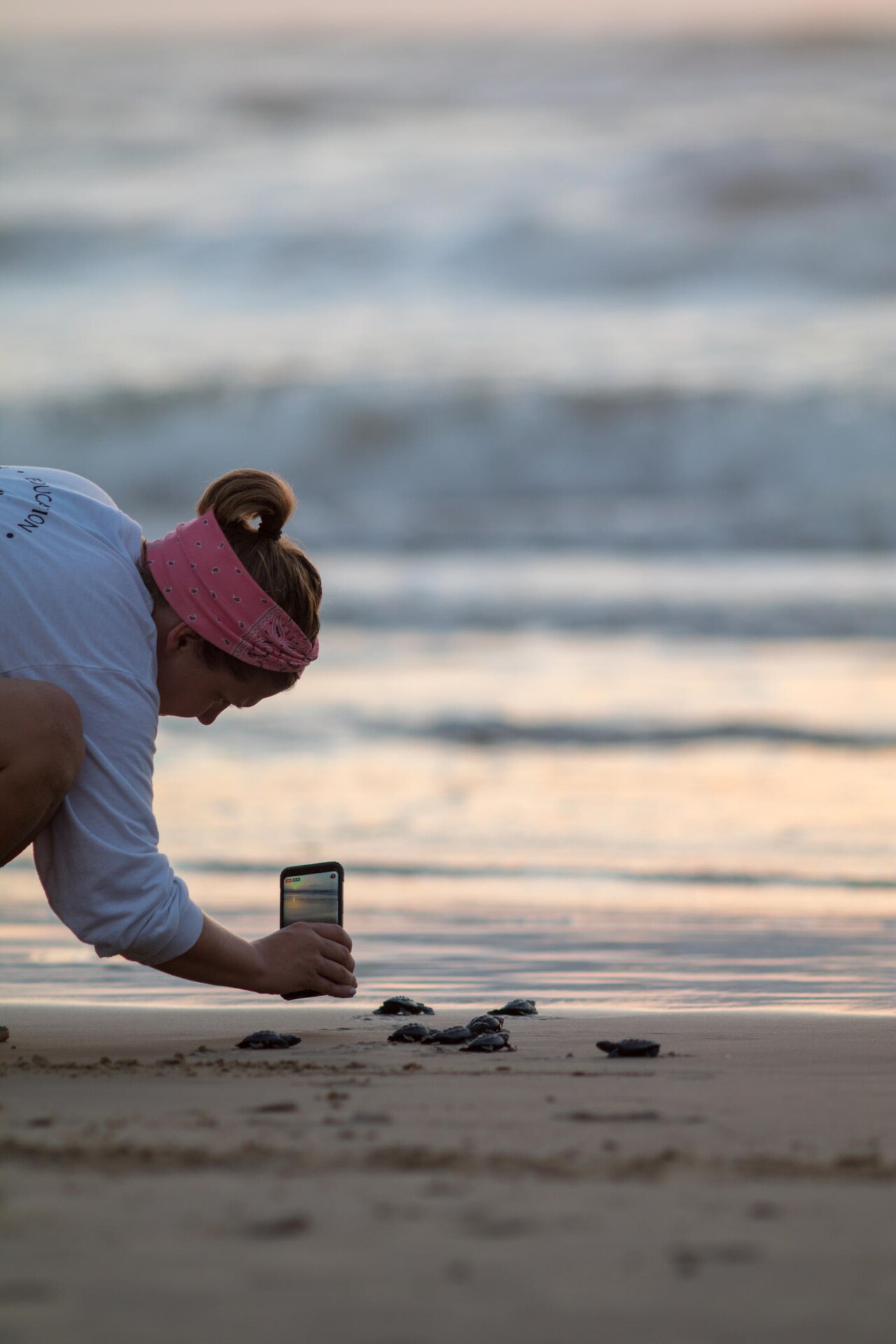
Five species of sea turtle are found in the Gulf, and the Kemp's ridley, the rarest in the world, nests along this coast. Sea Turtle, Inc. rehabilitates injured turtles, educates visitors, and sometimes holds hatchling releases during nesting season, which runs roughly from spring through summer. Check the organization's schedule ahead of your trip. Visitors can help by keeping beaches clean, turning off lights at night, filling holes, and flattening sandcastles before leaving.
Dolphins
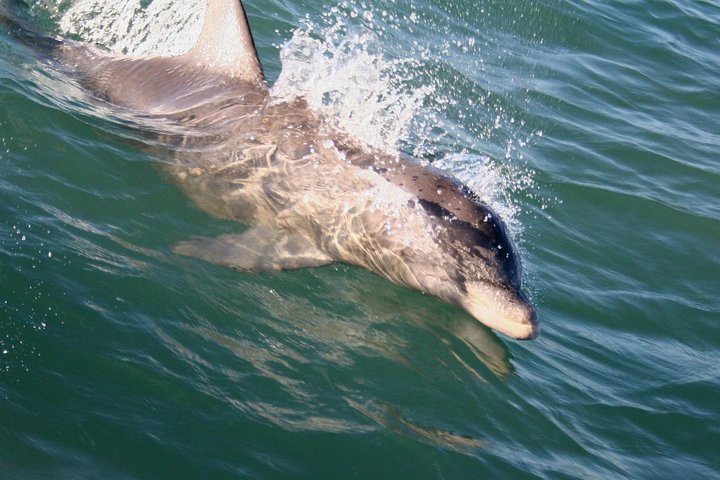
Bottlenose dolphins live in the Laguna Madre year-round. Cruises are the best way to see them, and sunset and eco tours both work. You may also spot dolphins from the jetty at Isla Blanca Park or from the causeway at the right time of day. Never feed, chase, or swim with wild dolphins; it harms them and is illegal.
Birds
The Birding and Nature Center is the best single stop, with a boardwalk, a tower, and wetlands full of herons, egrets, ibises, and spoonbills. Spring and fall migration can be spectacular, with warblers and shorebirds passing through, while winter brings waterfowl and visiting species. Mainland Laguna Atascosa National Wildlife Refuge adds brush-country specialties, including green jays and great kiskadees, plus wintering cranes and raptors. Bring binoculars, a field guide or app, and patience.
Alligators and other reptiles
The Birding Center's alligator sanctuary lets you see alligators safely from the boardwalk. Elsewhere, remember that alligators and snakes live in the region, so stay on trails, keep a distance, and never feed wildlife.
Ocelots and other mammals
The ocelot is one of the rarest cats in the United States, and Laguna Atascosa is part of its last stronghold. You are unlikely to see one, but the refuge protects the thorn forest they depend on. Bobcats, javelinas, and coyotes are also present, along with a range of smaller creatures.
Fish and marine life
Bay fishing trips give a close look at speckled trout, redfish, and other species, and snorkeling in the north bay reveals crabs, small fish, and seagrass habitat. These are not coral-reef experiences, but they offer a meaningful look at a nursery ecosystem that supports much of the coast's life.
Timing and weather
Early morning is the best time for almost all wildlife viewing, when animals are active and the heat is low. Fall and winter are ideal for birds, spring and summer for turtle nesting, and any season works for dolphins. Wind can limit boat trips and make birds harder to see, so be flexible.
A simple wildlife day
Start at the Birding and Nature Center at sunrise, visit Sea Turtle, Inc. at midmorning, take the eco tour or a sunset dolphin cruise later, and finish with dinner on the bay. If you have another day, drive to Laguna Atascosa for the refuge's trails and wildlife drive.
Being a good guest
Keep a respectful distance, use binoculars instead of approaching, follow posted rules, pack out trash, and avoid single-use plastics, which are a major threat to turtles and dolphins. Support local conservation groups through admissions and donations. The wildlife is the island's greatest treasure, and your care helps keep it that way.
Photography and ethics
Wildlife photography rewards patience. Use a zoom lens rather than moving closer, stay quiet near nests and roosts, and avoid flash. On a boat, brace your camera against the rail to reduce motion blur, and shoot in burst mode when dolphins surface. If you share photographs online, avoid revealing sensitive nest locations. Respect closures and signs, and remember that the best sightings often come from stillness: sit on a bench, scan the horizon, and let the island come to you. Visit at different hours if you can, because the same boardwalk at dawn, midday, and dusk can feel like three separate places. Keep a simple list of what you see each day, since a few lines in a notebook or phone become a memorable record of the trip, and a good prompt for return visits in another season.