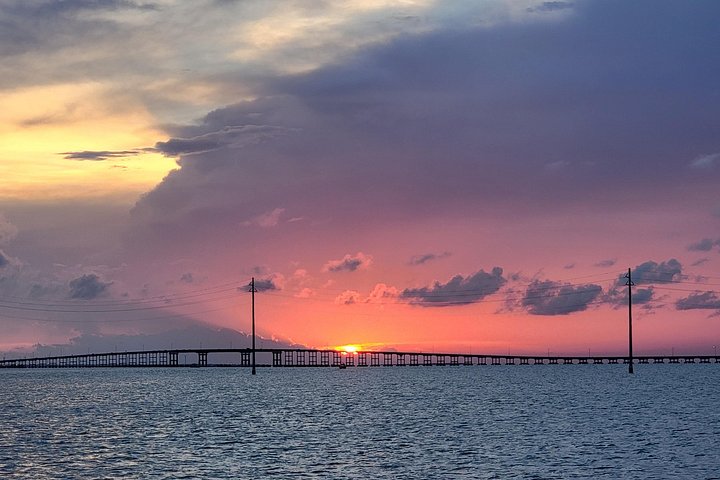
South Padre Island is a thin barrier island at the very southern tip of Texas, about 34 miles long and rarely more than a few blocks wide. A causeway links it to Port Isabel and the mainland, the Gulf of Mexico lies on one side, and the shallow Laguna Madre on the other. That geography is the key to planning: the Gulf side is for beaches, surf, and sunrises, while the bay side is for dolphin cruises, parasailing, fishing, and sunsets. Most visitors want a bit of both.
Getting there
The closest commercial airport is Brownsville South Padre Island International, roughly half an hour to an hour from the island depending on traffic. Harlingen and McAllen are larger options with more flights, and they are a longer drive. A rental car is the practical choice. Distances on the island are short, but the mainland attractions, wildlife refuges, and day trips require wheels, and rideshare availability can be limited late at night.
Orienting yourself
Padre Boulevard is the main strip, lined with restaurants, shops, bars, and mini-golf. The southern end holds Isla Blanca Park and the jetty, the central stretch has most hotels and condo towers, and the north becomes quieter, with open dunes and public beach access points. On the bay side, Laguna Boulevard has docks, seafood restaurants, and sunset views. Across the causeway, Port Isabel adds a lighthouse, a working waterfront, and lower prices.
What to book first
Reserve the activities that sell out: a sunset dolphin watch cruise, parasailing, and any special departures such as the fireworks cruise or the SpaceX viewing cruise. Spring break and summer weekends fill quickly. Keep one day flexible for weather, since wind can postpone water activities. A morning visit to Sea Turtle, Inc. is a low-pressure way to start, and the Birding and Nature Center boardwalk is a great early-morning stop before the sun gets strong.
Beach basics
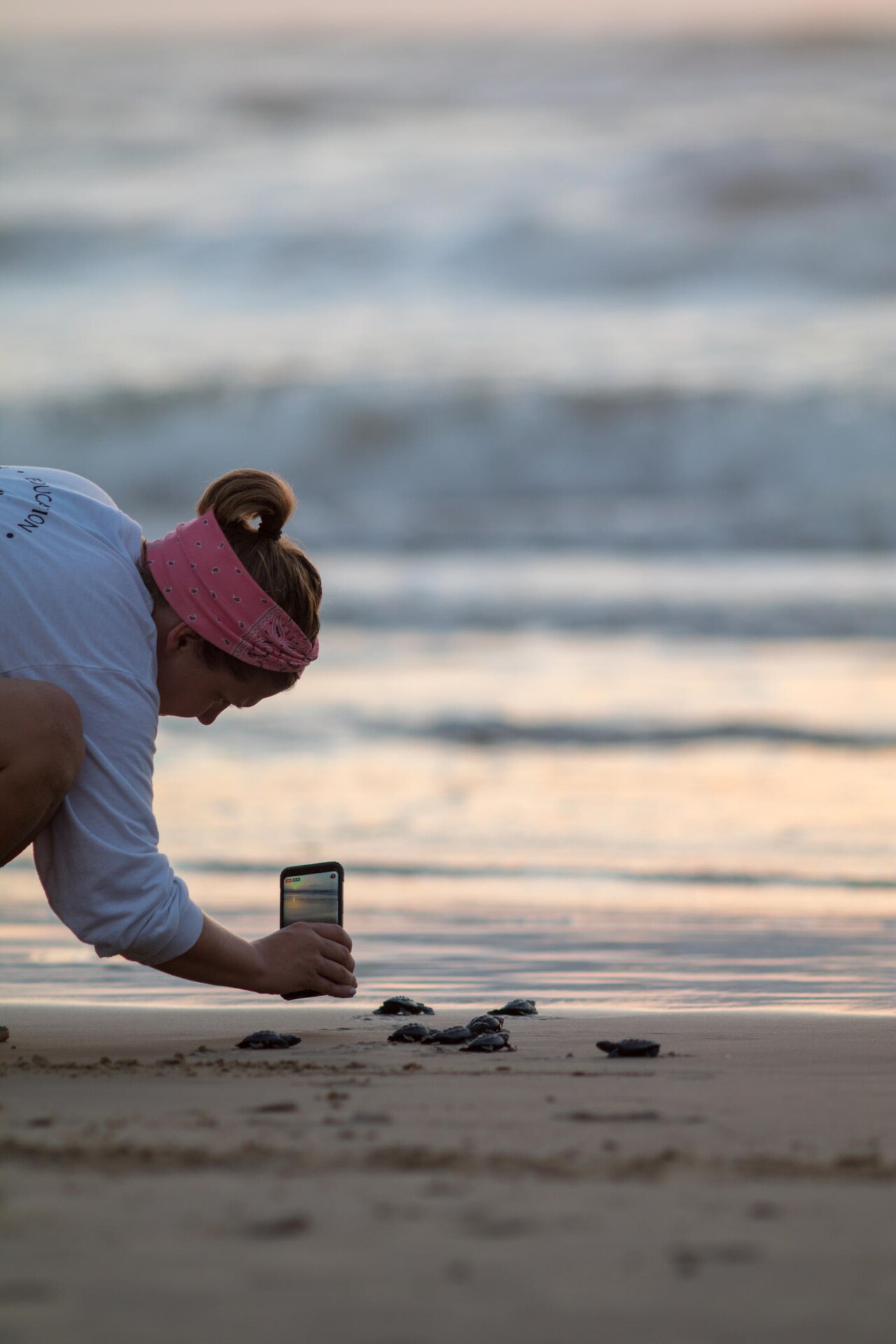
The beach is public and free to walk, though some parks charge entry or parking fees. Bring shade, because an umbrella or pop-up tent is more valuable than any other beach item. Heed the flag system and swim near lifeguards where possible, since rip currents can occur. Do not walk on the dunes, which protect the island from storms. In nesting season, keep lights low at night and fill holes and flatten sandcastles before you leave so that turtles and hatchlings can move freely.
Beyond the sand
The island is more than a beach. Wildlife is the second pillar: bottlenose dolphins in the lagoon, Kemp's ridley turtles on the beaches, and one of North America's richest bird migrations overhead. The third pillar is history, found across the causeway at the Port Isabel Lighthouse and farther inland at Palo Alto Battlefield. A day trip to Brownsville adds the Gladys Porter Zoo and a border-city perspective, and Laguna Atascosa National Wildlife Refuge shows the wild interior.
Seasons in a sentence
March means spring break and a loud, crowded island. Summer is hot, humid, and family oriented. Fall is the sweet spot, with warm water, thinner crowds, and good fishing. Winter brings retirees from the north and cool, breezy weather that is perfect for birding. Hurricane season runs from June through November, so travel insurance or flexible bookings are wise for late-summer trips.
Eating and drinking
Seafood is the star: fresh shrimp, redfish, flounder, and oysters on both the island and in Port Isabel. Tex-Mex is everywhere, and breakfast tacos are a morning ritual. Many places have bayside patios, so plan a sunset dinner on the Laguna Madre side. Casual is the dress code, and reservations are only essential at popular spots on peak weekends.
A simple first-day plan
Start the morning at the Birding and Nature Center, move on to Sea Turtle, Inc., and spend the afternoon on the beach. Finish with a sunset dolphin cruise, then dinner on the bay. Day two can be more active, with parasailing, a surf lesson, or snorkeling, and day three can head to Port Isabel and Brownsville for history and wildlife. That blend gives you the island's full range without rushing.
Final planning checklist
Book lodging first, then the signature cruise, then any special activity with limited departures. Pack reef-safe sunscreen, a wide-brimmed hat, a rash guard, water shoes, a refillable water bottle, and a lightweight rain layer for sudden showers. Carry some cash for parking, gate fees, and tips, and keep a phone strap or waterproof pouch for boat days. Allow a cushion for weather, since a windy day can reshuffle the schedule. With these basics covered, the island is easy: relaxed, friendly, and full of small surprises.