Spokane has four distinct seasons, and each offers something different. The city sits in a dry inland climate with warm summers and cold winters, and its mix of river, gardens and nearby lakes means there is no truly bad time to visit, only different priorities. Here is a season-by-season guide.
Spring: the falls roar
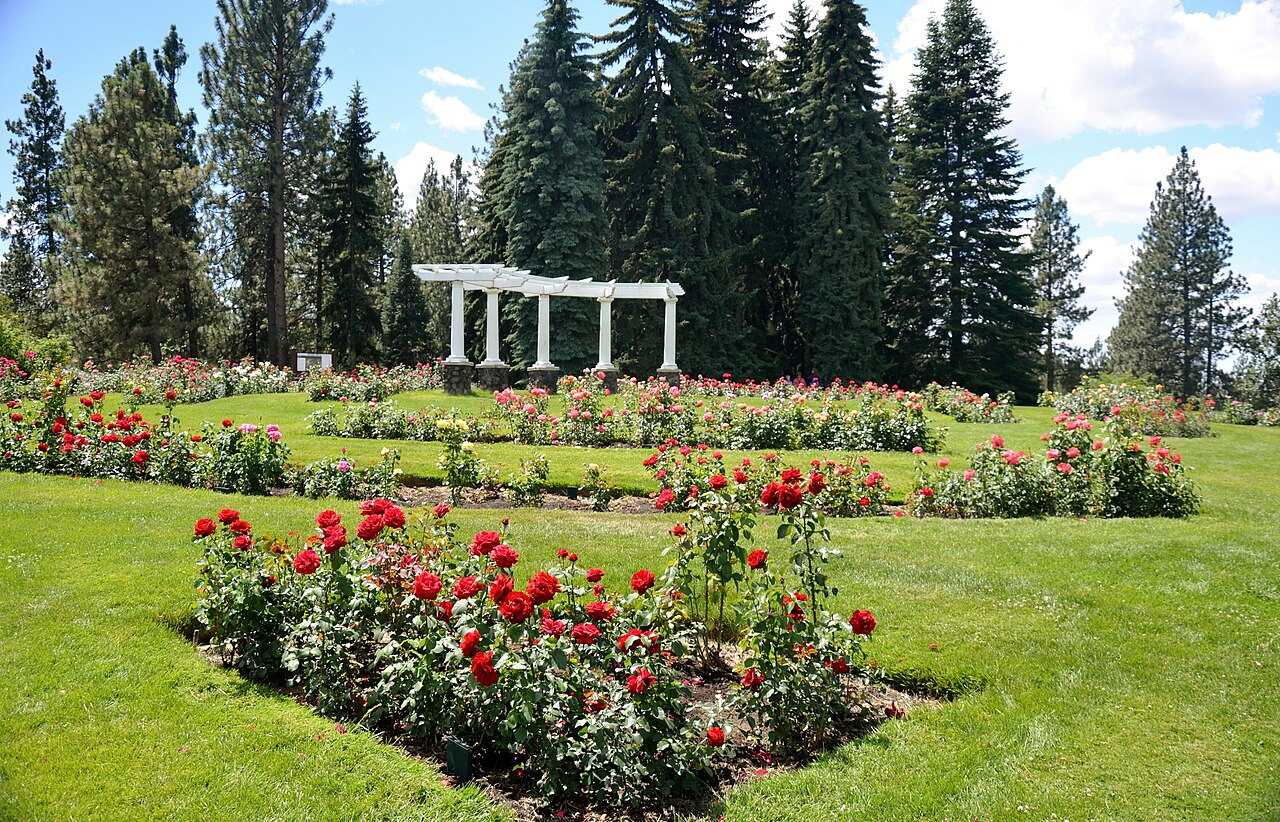
Snowmelt swells the Spokane River, and the falls are at their most dramatic. Tulips and lilacs bloom in Manito Park, trees leaf out, and the Centennial Trail fills with walkers and cyclists. Weather can be changeable, with showers and cool days, so bring layers and a rain jacket. Spring is a great time for the museum, the gardens and the river walk, and prices are often below summer levels.
Summer: long days and lake time
From early summer through August, days are warm and dry with long evening light. This is peak season for Riverside State Park, paddling, the zipline, the lake in Coeur d'Alene and outdoor concerts at wineries. Hotels are busiest and priciest, especially on weekends, so book early. Plan outdoor activities for the morning, bring sun protection and water, and keep an eye on the forecast for heat waves or wildfire smoke, which can affect air quality and views in late summer.
Fall: harvest and color
Early fall is arguably the best time to visit. Temperatures are pleasant, crowds thin, and Green Bluff comes alive with apples, pumpkins and cider donuts. Cottonwoods and maples color the river corridor, and the wine harvest adds interest. Evenings turn cool, so pack a jacket. This is a wonderful season for the gardens, the Centennial Trail and a lake day in Coeur d'Alene before the water cools.
Winter: snow, lights and a quiet city
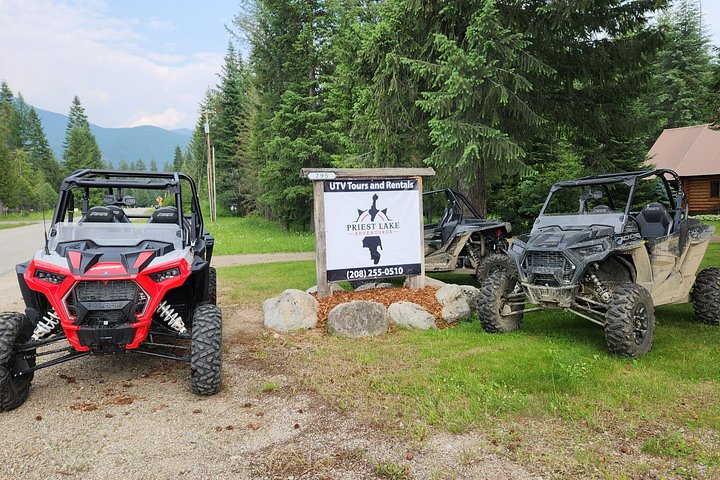
Winters are cold with periods of snow, and the city adapts. Riverfront Park's ice loop opens for skating, hotels and restaurants glow with holiday lights, and nearby mountains offer skiing, snowshoeing and snowmobiling, including rentals near Priest Lake. Museums, tasting rooms and cozy restaurants shine. Roads can be icy, so check conditions, carry traction aids and allow extra time. Winter is also the budget season, with lower hotel rates outside holiday weeks.
Events and crowds
Big festivals, races, graduations and sporting events can fill hotels and raise prices, so check the calendar before you book. Midweek visits are quieter year-round. If you want to see the falls at full force and the gardens in bloom, aim for late spring. If you want lake swimming and long evenings, choose midsummer. If you want harvest and color with fewer people, choose early fall.
Packing and planning
Pack layers in every season: mornings and evenings can be cool even in summer. Comfortable walking shoes, sun protection and a refillable water bottle are useful year-round, and a light rain jacket helps in spring and fall. A car is helpful for the parks, farms and lake, but downtown can be enjoyed on foot. Whenever you come, start at the falls, then follow the season: blooms in spring, water in summer, harvest in fall, lights in winter.
Month-by-month shortcuts
If you want a simple rule, remember that the falls peak in spring, the lake peaks in summer, the orchards peak in fall and the lights peak in winter. Shoulder periods between them, such as late spring and early fall, offer the most comfortable weather and the easiest hotel bookings. If you are flexible, plan around your top priority rather than the calendar and check forecasts a week ahead.
Weather risks to know
Summer heat waves can be intense for a day or two, so plan indoor options. Late summer can bring wildfire smoke that affects air quality and views, so keep a backup plan. Winter storms can close mountain passes and make roads icy, so carry traction aids and check conditions. Spring can be unpredictable, with sun and showers in the same afternoon. Reasonable flexibility makes any season work.
Short trips and long trips
A weekend works in any season if you focus on the falls and one nearby outing. A week lets you add the lake, the farms and a mountain day, and gives slack for weather. Longer stays make the most sense in summer and fall, when outdoor options multiply and daylight stretches. In any season, book lodging early for event weekends and keep one flexible day for weather.