Spokane is a city that rewards a relaxed pace. Three days is enough to see the river, the gardens and the museums, and still leave a day for the lake country next door. The plan below is built around walking where you can, driving where you must and leaving room for the unplanned coffee or brewery stop that often becomes the highlight.
Before you arrive
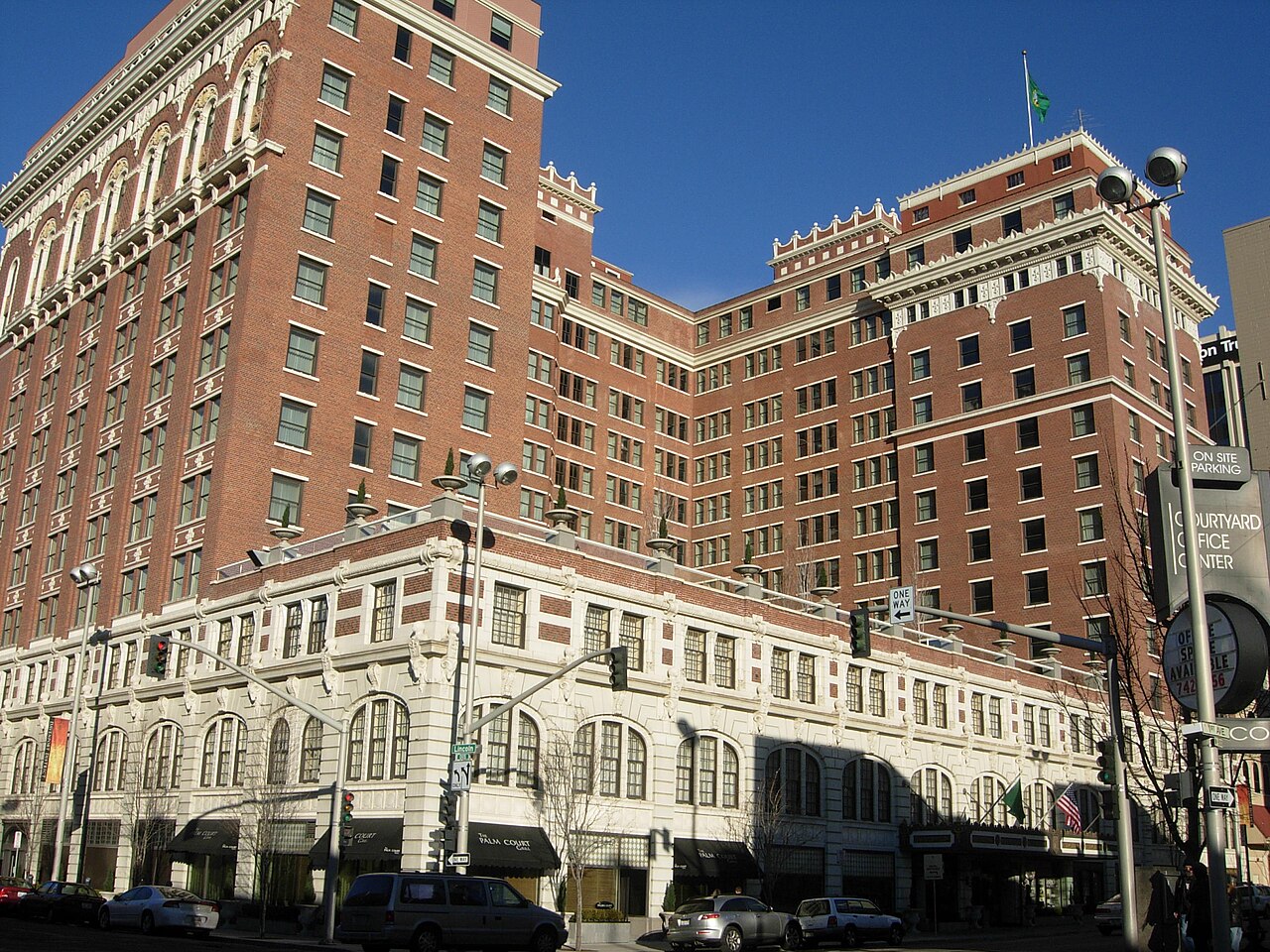
Decide whether you will rent a car. Downtown, Riverfront Park, the falls and the museum district are walkable from many hotels, but Manito Park, Riverside State Park and Coeur d'Alene are much easier with wheels. If you are staying downtown, a car is optional for the first day and handy for the rest. Pack layers: the weather can change within hours, and the river valley is breezy even on warm days.
Day one: the falls and the heart of downtown
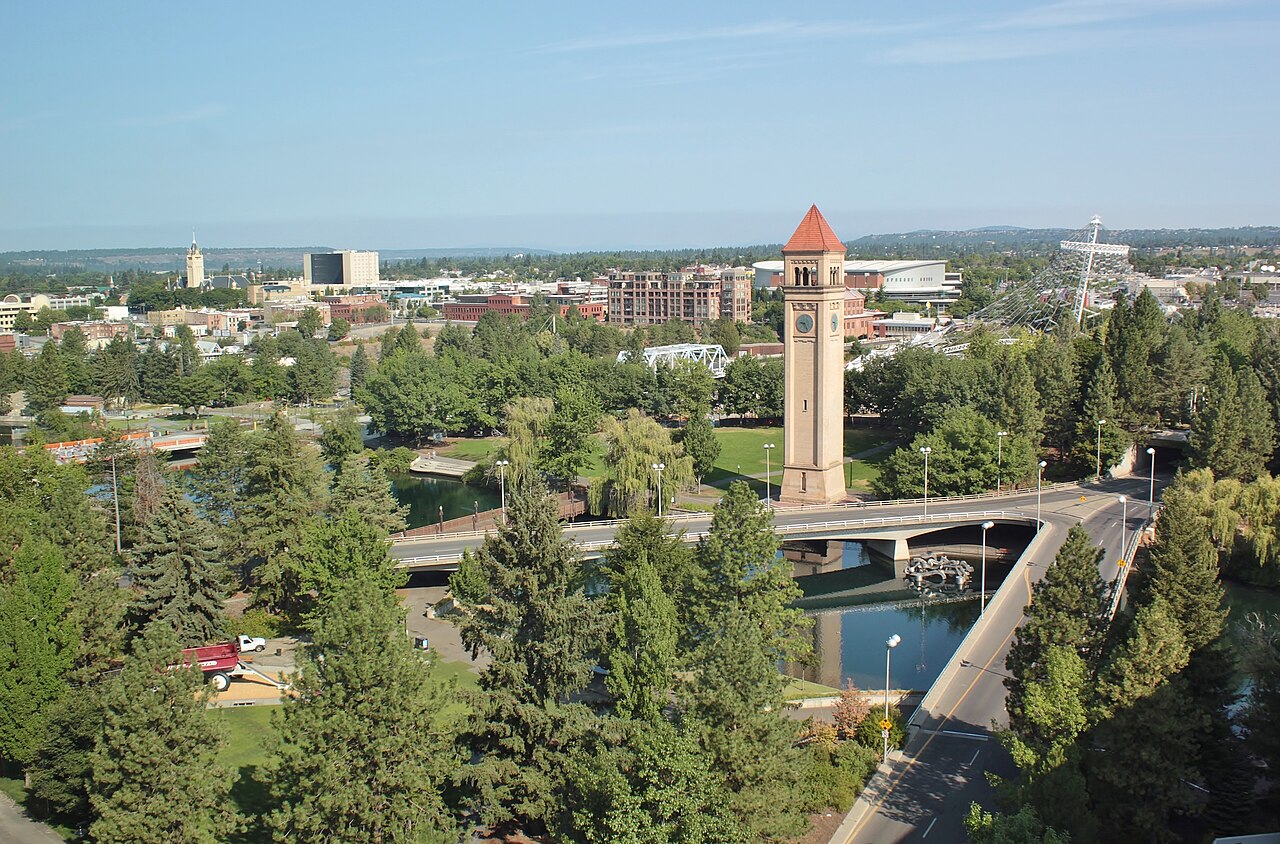
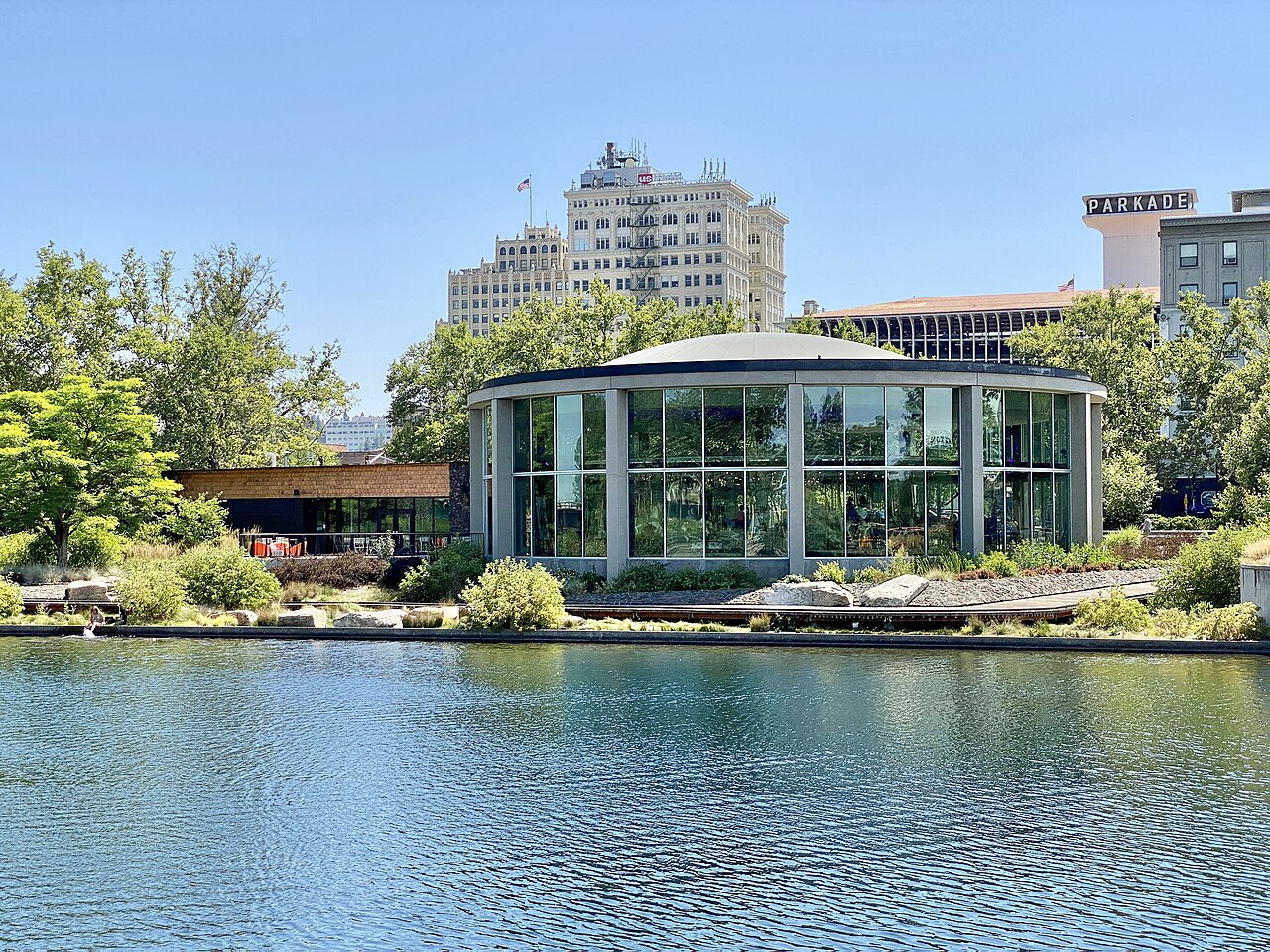
Start at Riverfront Park in the morning, when the paths are quiet and the light is soft on the water. Walk the footbridges, look down at the Upper and Lower Falls, then take a spin on the Looff Carrousel and, if the weather is clear, the gondola over the gorge. If you like context, play the Expo 74 podcast walk as you stroll, which explains how a rail-scarred riverbank became a park. Eat lunch downtown at a cafe or brewpub, then spend the afternoon at the Northwest Museum of Arts and Culture and the Campbell House, followed by a walk through Browne's Addition. For dinner, pick a downtown restaurant and finish with a stroll back to the river.
Day two: gardens and the great outdoors
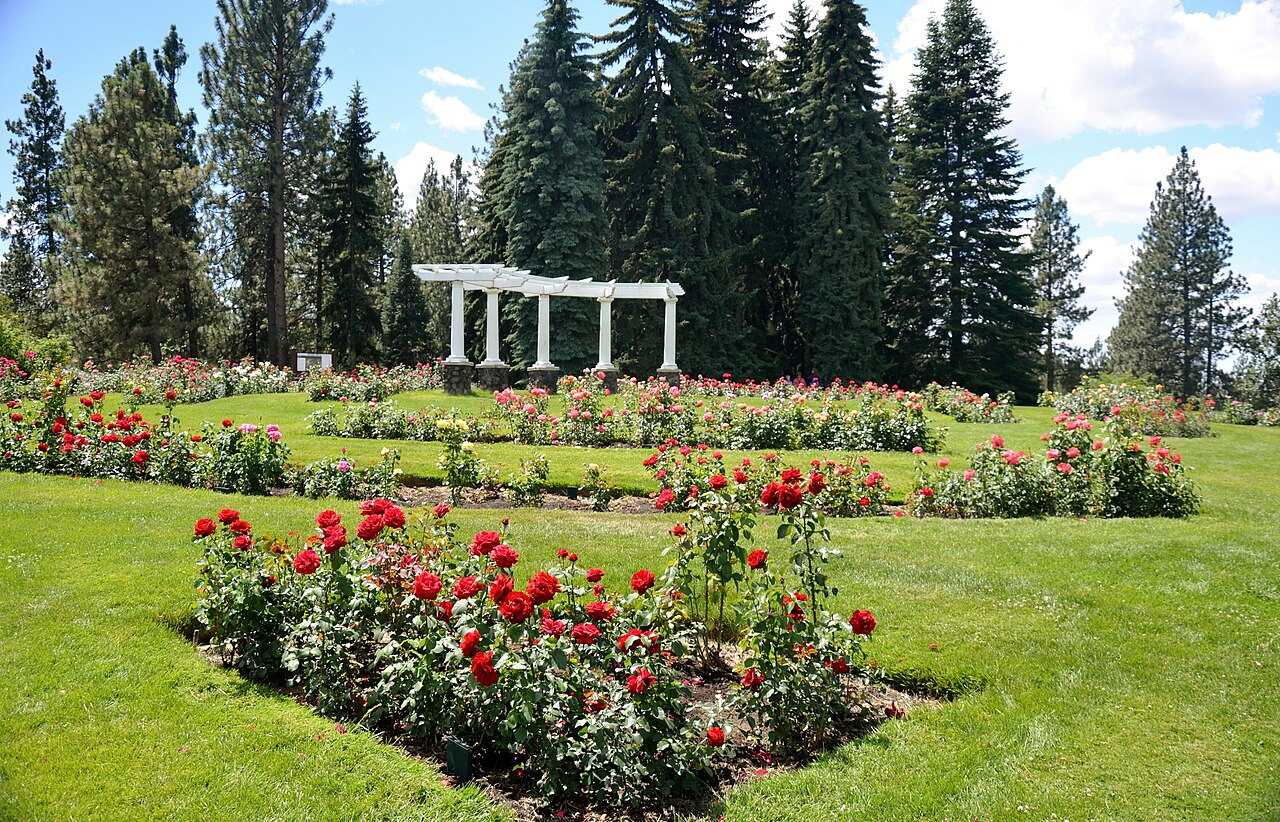
Spend the morning at Manito Park on the South Hill. Wander the Duncan Gardens, the conservatory and the Japanese Garden at an easy pace, and picnic if you brought lunch. In the afternoon, choose between a tasting-room visit at one of the area's wineries or a drive to Riverside State Park for the Bowl and Pitcher walk. Active travelers can rent a bike and ride a section of the Centennial Trail instead. If the weather is wet, the museum visit and a long lunch make a comfortable plan B. End the day with dinner and a drink at a place with local beer or wine.
Day three: the lake
Drive east on the interstate to Coeur d'Alene, about forty minutes away. Start with a guided city tour or a Segway ride to get oriented, then walk Tubbs Hill, stroll the boardwalk and have lunch with a lake view. In summer, rent a paddleboard or kayak, or take a lake cruise. In shoulder seasons, linger in downtown shops and enjoy the quieter streets. Return to Spokane in the evening, or stay overnight for a relaxed finish. If you prefer to stay in the city, use the day for the scavenger hunt, Green Bluff in harvest season or the zipline on Mica Peak.
Adjustments for weather and season
In spring, the falls are at their most dramatic, so put Riverfront Park early. In summer, schedule outdoor activities for the morning and save museums for the heat of the afternoon. In fall, Green Bluff and the foliage along the river are highlights. In winter, trade lake time for the museum, a winter walk in Manito and a cozy dinner, and check road conditions before driving east.
Making it your own
Families can swap the wine tasting for the carousel and a longer park visit, add the scavenger hunt and stay close to the river. Couples might add a sunset at the gorge and a spa or tasting evening. History fans can add the Bing Crosby House at Gonzaga and the Spokane House interpretive site in Riverside State Park. If you have only two days, combine the first two days and skip the lake, or choose the lake and skip Manito. However you build it, begin at the falls: they are the reason the city exists and the best introduction to its character.
Getting around
If you are not renting a car, rideshares and taxis work well for the South Hill and the parks, and downtown is compact enough to cover on foot. Confirm opening days for museums and tasting rooms, since some close one or two days a week, and make dinner reservations on weekends. Build in a slow hour each day, because Spokane is at its best when you stop to watch the water.