Sri Lankan food is one of the great pleasures of a visit, and it is bolder and spicier than many newcomers expect. The cuisine blends Sinhalese, Tamil, Muslim and Burgher traditions, with coconut, chilli, curry leaves, pandan, cinnamon and fresh seafood in nearly everything. Here is what to look for in Colombo, Kandy and Galle, and how to eat well without getting caught out.
Rice and curry
The classic meal is a mound of rice surrounded by small bowls of curries: a fish or chicken curry, a lentil dhal, and several vegetable dishes such as pumpkin, green beans, okra or jackfruit, plus a coconut sambol and crisp papadum. Each dish is cooked separately, so the flavours are distinct, and you mix them on the plate as you go. It is served at lunch in nearly every restaurant and guesthouse, and the best versions come from small family places and village homes. Ask for the spice level you can handle; the default can be fierce.
Hoppers and string hoppers
Hoppers, or appa, are bowl-shaped pancakes made from fermented rice flour and coconut milk, crisp at the edges and soft in the middle. Many are served with an egg cooked into the centre, and with a fiery onion sambol called lunu miris. String hoppers are steamed nests of fine rice noodles, usually eaten at breakfast or dinner with curry and sambol. Both are worth seeking out at least once.
Kottu roti
If you hear a rhythmic clanging on a Colombo evening, you are near a kottu stall. The cook chops flatbread, vegetables, egg and meat on a hot griddle with two metal blades, creating a dish that is half street food and half performance. Variants include cheese kottu, chicken kottu and vegetable kottu. It is salty, rich and filling, and best eaten fresh.
Seafood
With a long coastline, Sri Lanka has excellent fish and shellfish. Crab curry is the signature dish, and Colombo has restaurants that specialise in it, often served with a pile of napkins and an invitation to use your hands. In Galle and along the south coast, look for grilled fish, prawns and cuttlefish, fish ambul thiyal, a sour, peppery dish, and fresh catch from the harbour. Check that seafood is fresh and cooked to order.
Street food and snacks
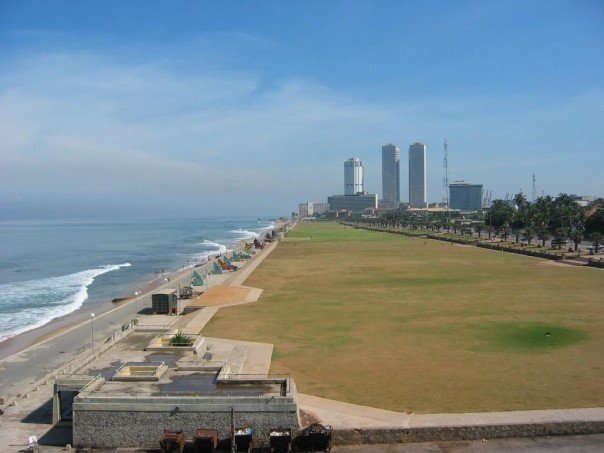
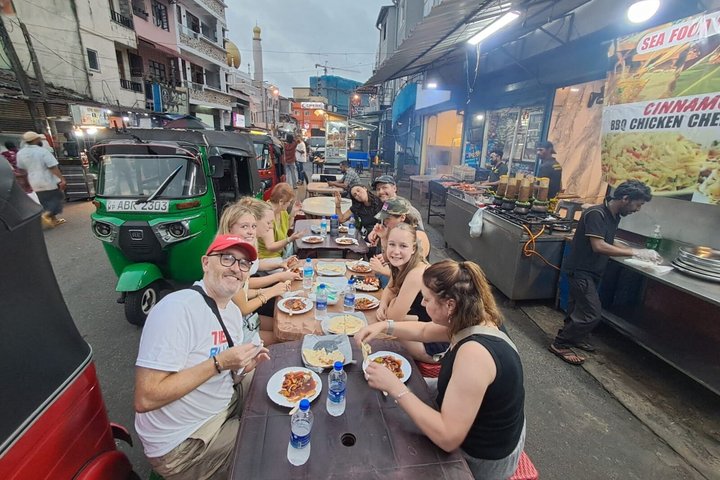
Galle Face Green at sunset is the place for fried snacks: vadai, isso wade topped with prawns, spicy peanuts, corn on the cob and sweet treats. Elsewhere, look for short eats such as fish cutlets, egg rolls and patties, usually served in bakeries and tea shops, along with fresh fruit, king coconut water and ice cream. A guided food tour is the easiest way to taste many things safely, with a local explaining what each item is.
Sweets and desserts
Watalappan, a coconut custard spiced with cardamom, nutmeg and jaggery, is the classic dessert. Curd and treacle, made from buffalo milk curd with kithul palm syrup, is another favourite. Kavum, oil cakes made from rice flour and treacle, are traditional at festivals.
Tea
Sri Lanka is one of the world’s great tea producers, and Ceylon tea is graded and sold around the world. A cup is a good excuse to stop at a hill-country factory on the way to or from Kandy, where guides explain how the leaf is withered, rolled, oxidised and dried before a tasting. In hotels and cafés, tea is usually served black, with milk and sugar offered on the side.
Drinks
Fresh king coconut, called thambili, is sold at roadsides and is a perfect cure for heat. Fruit juices, lime soda and ginger beer are widely available. The local spirit is arrack, distilled from coconut palm sap, often mixed with ginger beer or cola, and Lion lager is the best-known beer. Alcohol is not sold on full moon Poya days, so plan around that, and in many hotels you can still get drinks if you are a guest.
Tips for eating well
Eat where the locals eat, especially at lunch, and choose busy places with fast turnover. Bottled or filtered water is wise, and ice in reputable restaurants and hotels is generally fine, though you should use your judgement. Eating with your right hand is traditional, but cutlery is always available. Tipping is appreciated, and many restaurants add a service charge. If you have dietary needs, vegetarian and vegan options are easy to find, since many curries are plant-based, but ask about fish paste and shrimp in sambols.