Sri Lanka is a small island with a surprisingly complicated climate. Two monsoons sweep across it in different seasons, and the hills, the south-west coast and the north-east see very different weather at the same time. There is no single best month for the whole island, but there is a best time for each region and each kind of trip. Here is how to choose.
The two monsoons
The south-west monsoon brings rain to the west and south coasts, and the hill country around Kandy, roughly from May to September, with the heaviest weather often in May and June. The north-east monsoon affects the north and east from about October to January. Between them are two inter-monsoon periods, in about April and again in October and November, when afternoon thunderstorms are common almost everywhere. This is why Sri Lanka is often described as having a good season somewhere all year round.
Colombo and the west and south coasts
The driest and most popular period for Colombo, Galle and the south-west beaches runs from about December to March. Skies are clearer, seas are calmer and hotels are at their busiest, so book early. April is hot and humid, and the seasons then turn wet, with May and June often the rainiest. In the inter-monsoon months of October and November, expect heavy showers and thunderstorms in the afternoon, often following sunny mornings. It is greener, quieter and cheaper then, which suits flexible travellers.
Kandy and the hill country
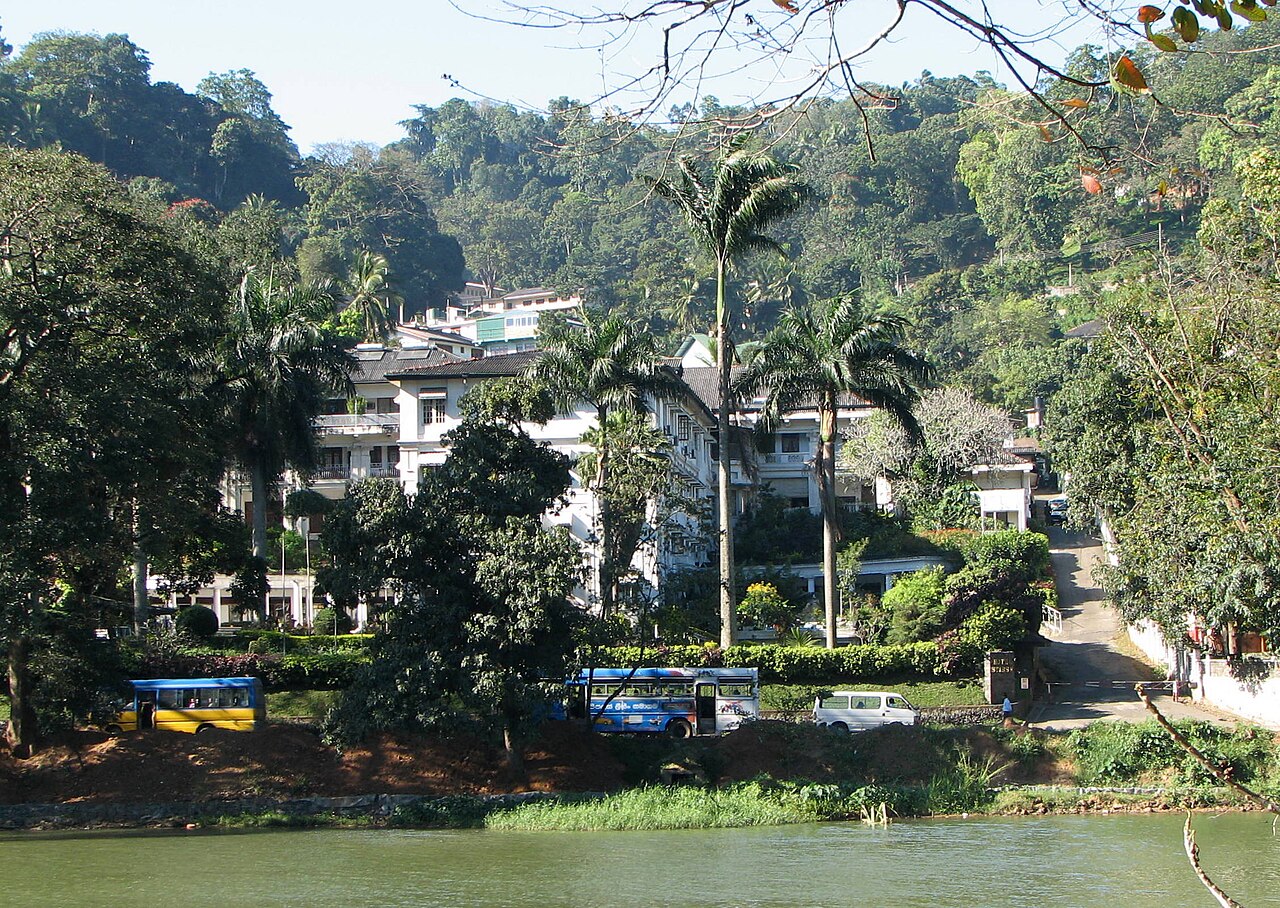
Kandy sits in the hills, where temperatures are milder but rain can arrive at any time of year. The drier, brighter months run from about January to March, and again for a spell in the middle of the year. The hills are at their most lush after rain, and the mist over the lake is part of the charm. Pack a light rain jacket whenever you go. Nuwara Eliya and higher areas are cooler, sometimes surprisingly so at night.
The Cultural Triangle
Sigiriya, Dambulla and Polonnaruwa sit in the dry zone, where the best weather typically runs from about May to September, when the south-west coast is wet. This is hot and dry rather than cool, so start early and carry plenty of water. The wetter months, roughly October to January, bring storms and cooler days, with green landscapes and fewer visitors.
Whale watching
The blue whale and sperm whale season off Mirissa and the south coast is generally between about November and April, when the sea is typically calmer, though November can be rough and sightings are never guaranteed. Boats go out early in the morning, and some travellers find the swell uncomfortable, so take seasickness tablets if you are prone. Book with some flexibility and be ready to switch days if the sea is poor.
Safaris
Yala and Udawalawe are in the dry south-east, and wildlife viewing is usually best in the drier months, roughly February to July, when animals gather around waterholes. Park sections can close after heavy rain or during the driest season, so check conditions before you commit. Udawalawe is good for elephants nearly all year.
Festivals and holidays
Full moon Poya days are monthly public holidays, with alcohol sales suspended and some museums and offices shut, and temples are busy with worshippers dressed in white. The Kandy Esala Perahera, a grand procession of elephants, dancers and drummers honouring the Sacred Tooth Relic, usually takes place in July or August, when Kandy fills with visitors and hotels book out well in advance. Sinhala and Tamil New Year in April is a major family holiday, when transport and accommodation can be busy and some businesses close.
So when should you go?
For a first trip that combines Colombo, Galle and the beaches, aim for December to March. For the Cultural Triangle and Kandy, plan a mid-year visit or accept some rain in other months. For whales, aim for the winter season, and for safaris, the drier months. If you travel in the shoulder periods, you trade some sunshine for lower prices, fewer crowds and green scenery.
Packing and planning
In any season, bring a light rain layer, sunscreen, a hat, insect repellent and clothing that covers shoulders and knees for temples. Plan sightseeing for the mornings, keep afternoons flexible, and build in a spare day for weather. Check forecasts a few days ahead, and choose hotels with covered spaces, so that a wet afternoon is a chance to rest rather than a ruined day.