Colombo is known for temples, colonial streets and food, but the capital is surprisingly close to wild places. Within a couple of hours there are wetlands full of birds, a river with rapids and a lake with monitor lizards, and within a long day there are national parks and a sacred mountain. This guide explains how to choose and plan nature and adventure days from the capital.
Start close: wetlands and lakes
The easiest wildlife outings are on the doorstep. Muthurajawela, the coastal marsh between Colombo and Negombo, is a maze of channels and mangroves that is best explored by boat at dawn, when kingfishers, herons and cormorants are active. The northern winter months, roughly October to March, bring migratory waders. South of the city, Bolgoda Lake offers a calmer, greener version, with a river safari that glides past mangroves and fishing nets and often turns up water monitors on the branches. Both are half-day trips that fit around other plans, and both are good for families and beginners. Bring binoculars, a hat and repellent, and keep voices low.
Add some adrenaline: Kitulgala
Kitulgala, on the Kelani River in wet-zone rainforest, is the main adventure centre within reach of Colombo. White water rafting here is moderate, with rapids suitable for first-timers, and the setting is beautiful. The drive takes a few hours each way, so this is a full-day outing. Wear swimwear or quick-dry clothes, secure sandals and sunscreen, and be honest about your swimming ability. Heavy rain can raise the river and change plans, so choose a flexible booking. The wetter months give the best flows, but safety comes first.
Go wild: Wilpattu
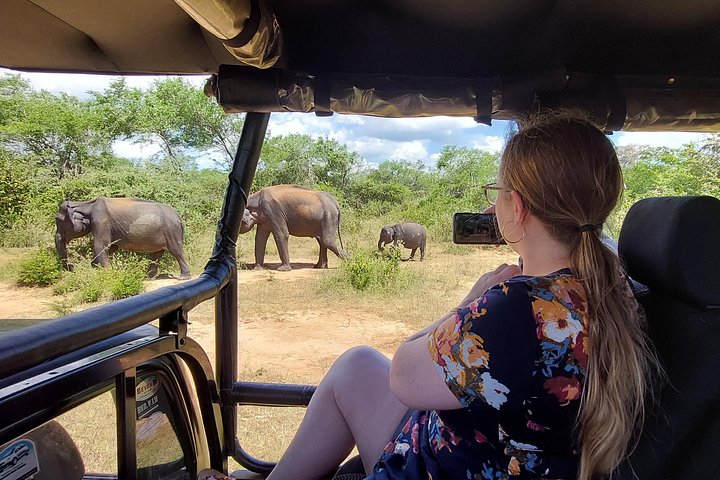
Wilpattu is the largest national park in Sri Lanka, with natural lakes called villus and dense forest, and it is the nearest major park to Colombo. A jeep safari offers a chance of leopards, sloth bears, elephants and crocodiles, as well as spotted deer and many birds. It is quieter than Yala, which many visitors enjoy. The catch is distance: the journey takes several hours each way, which makes a day trip long and tiring. If you are serious about wildlife, consider staying near the park overnight. Treat leopards as a bonus, because sightings are never guaranteed. The dry months from about May to September tend to concentrate animals around the remaining water.
Climb a sacred mountain: Adam Peak
Adam Peak, or Sri Pada, is a pilgrimage mountain revered by several faiths. The tradition is to climb at night and reach the summit for sunrise. The pilgrim season runs from around December to May, when the path is lit and tea stalls open along the way. A guided trip from Colombo handles transport, and the climb takes several hours each way on thousands of steps. It is hard on the legs but unforgettable on a clear morning, when the mountain casts a triangular shadow on the plain. Take warm layers, a head torch, water and snacks, go slowly and respect the pilgrims. Allow a rest day afterwards.
Elephants and more
Elephants are the signature animal of the island. Udawalawe National Park is the most reliable place to see wild herds on a day trip, and the Pinnawala orphanage offers a more controlled, family-friendly encounter. Think about what you want: wild, open landscapes and patience, or guaranteed close views and crowds. Both are long days from Colombo. If your interest is birds rather than big animals, ask about birdwatching tours that focus on wetlands or rainforest.
How to combine them
A good nature week from Colombo might be a dawn wetland boat trip on day one, a rest and cooking class on day two, Kitulgala rafting on day three, a Wilpattu safari with an overnight on days four and five and an Adam Peak climb in season at the end. Spread the long drives across days and keep rest days in between. Many travellers combine one adventure with temples and food to balance their itinerary.
What to pack and how to behave
Pack a hat, sunscreen, repellent, binoculars, a light rain jacket and shoes with grip. Bring a dry bag for boats and rafting. Stay with your guide, keep a respectful distance from animals, never feed wildlife and carry your rubbish out. Check seasons, park rules and weather before you travel, because they change, and book operators who provide life jackets, helmets and qualified guides. With a little planning, Colombo is a surprisingly good base for the wilder side of Sri Lanka.