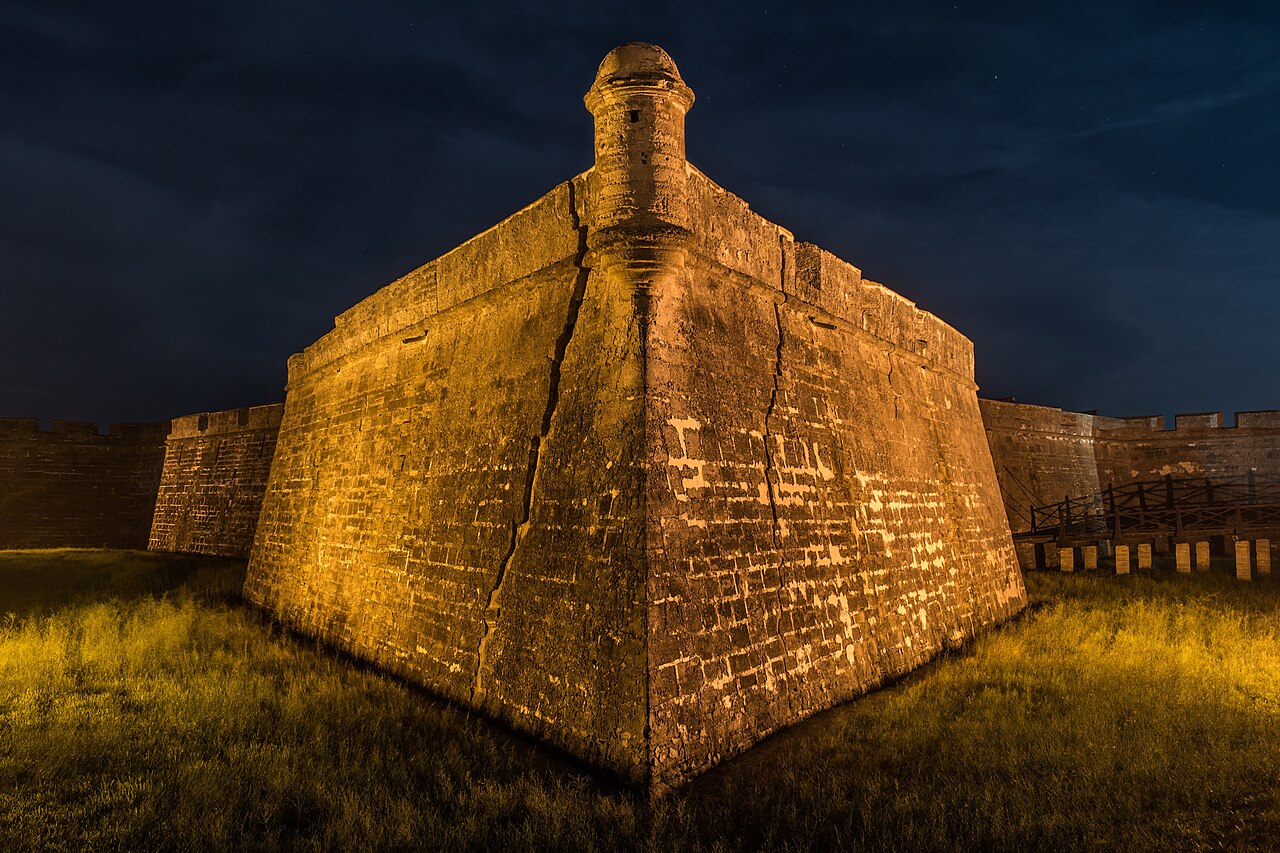
The Castillo de San Marcos is the reason St. Augustine survived, and it is still the first thing to see. Spain began building it in 1672 after a pirate raid and an English settlement at Charleston made the wooden forts that preceded it look hopeless, and the crews finished it in 1695 using coquina — a soft, shell-packed limestone quarried across the bay on Anastasia Island. The stone turned out to be the secret weapon: rather than shattering under cannon fire, it compressed and absorbed the shot, and when English forces from Carolina besieged the town in 1702 and again in 1740, the townspeople sheltered inside walls that held. The fort changed flags by treaty rather than conquest — Spanish, British, Spanish again, then American, when it served for a time as Fort Marion and held prisoners, including Seminole leaders and, later, Plains Indian captives whose ledger drawings are part of the story told inside. A visit is self-guided and compact: a dry moat, a drawbridge entrance, a central plaza ringed by vaulted rooms with exhibits on the garrison, the prisoners, and the construction, and stairs to the gun deck, where the bastions frame Matanzas Bay, the Bridge of Lions, and the rooftops of the old town. On weekends, costumed volunteers fire a reproduction cannon several times a day, and that boom across the water is the most St. Augustine sound there is.
The National Park Service runs the Castillo as a national monument, and the practical details are simple. The fort opens daily with first admission around 9am and last admission at 5pm, and it closes on Thanksgiving Day and Christmas Day. An entrance fee applies to adults (children 15 and under enter free with an adult), America the Beautiful passes are honored, and the ticket is the best-value hour in town. The fort sits at the north end of the historic district on Avenida Menendez, a five-minute walk from the City Gates and the top of St. George Street; parking is the challenge, since the small metered lot beside the fort fills early, so the Historic Downtown Parking Facility on Castillo Drive is the sensible play. Ranger programs and weapons demonstrations run on a published schedule — the park currently lists cannon firings five times a day on Fridays, Saturdays, and Sundays — and the gun deck closes during thunderstorms, which are common on summer afternoons.
One current note: in July 2026 the park began an 18-month reconstruction of the failing seawall along the bay front, with completion expected around early 2028. The Park Service says access to the fort is being maintained, but sections of the surrounding grounds are fenced for safety while the work runs, so the waterfront lawn and part of the bayside path may be off-limits on your visit. The fort itself, the gun deck, and the exhibits are the experience, and none of that changes.
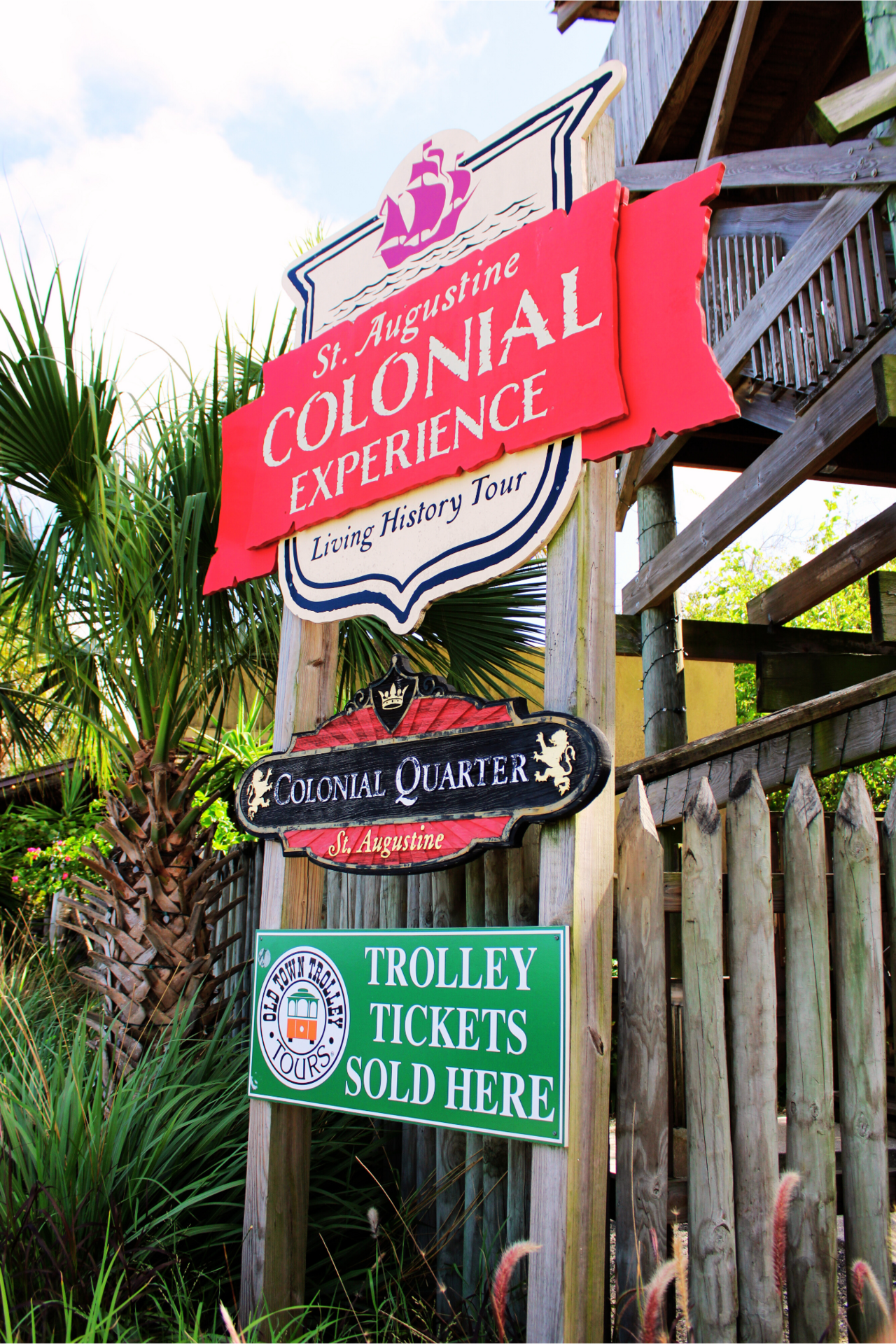
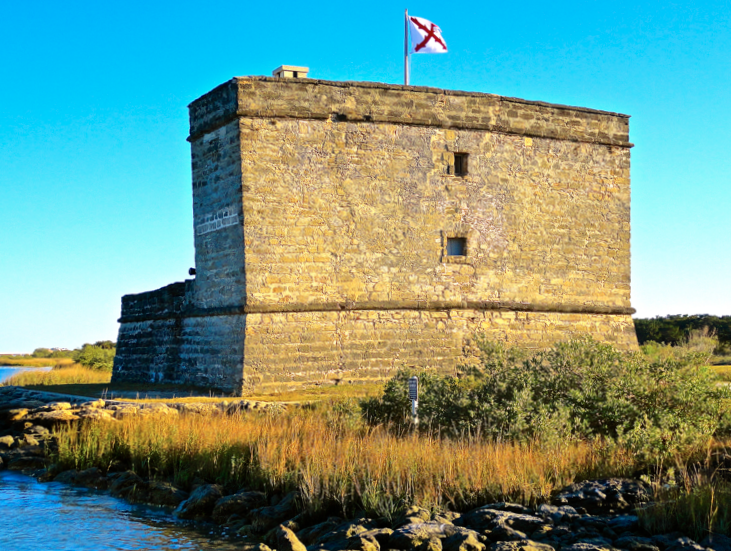
Strategy: arrive at opening, before the tour groups and the midday heat, and do the gun deck first while the light is soft over the bay. Allow about ninety minutes to see everything properly, and longer on a cannon-firing day. Pair it with the Colonial Quarter and St. George Street immediately south, and come back after dark at least once — the floodlit walls from the bayfront, especially during Nights of Lights from the weekend before Thanksgiving into January, are one of the great free views in Florida. History-minded visitors should continue the story at Fort Matanzas, the Castillo's small outpost fourteen miles south, reached by a free Park Service ferry.
What to expect
The experience
Self-guided fort visit — moat, drawbridge, vaulted casemate rooms with exhibits, and the open gun deck — plus ranger talks and weekend cannon firings by costumed volunteers.
Best time
Opening time for cool air and empty bastions; weekends for the cannon firings. After dark for the floodlit walls from the bayfront.
How long
About ninety minutes; two hours on a cannon-firing day.
Tips
Park in the Historic Downtown Parking Facility rather than circling the tiny fort lot. Kids 15 and under are free. The gun deck closes in lightning, so go up first on stormy-season afternoons. Seawall work fences part of the grounds until about 2028.
Quick picks
- Best for
- Everyone on a first visit — it is the city’s founding argument made in stone.
- Families
- Excellent: a real fort with a moat, cannons, and a boom kids remember; short attention spans can do it in an hour.
- Couples
- Walk the bayfront after dinner to see the walls floodlit, then cross to the Bridge of Lions.
- Pair with
- The Colonial Quarter and St. George Street a few minutes south; Fort Matanzas for the second chapter.
- Time needed
- A morning, with time for the walk into the old town afterward.
Good questions
How old is the Castillo de San Marcos?+
Construction began in 1672 and finished in 1695, making it the oldest masonry fort in the continental United States. It replaced a series of wooden forts the Spanish had built since 1565.
Was it ever captured?+
Never by force. English forces besieged it in 1702 and 1740 and failed both times; the coquina walls absorbed cannonballs instead of shattering. It changed hands only by treaty.
When are the cannon firings?+
The park currently schedules cannon-firing demonstrations five times a day on Fridays, Saturdays, and Sundays, weather permitting. Check the park schedule on arrival.
Is there an entrance fee?+
Yes, for adults; children 15 and under are free with an adult, and national park passes are honored. The fort is closed only on Thanksgiving Day and Christmas Day.
Is the seawall construction a problem?+
Not for the fort itself. Reconstruction that began in July 2026 runs about 18 months; the Park Service is keeping the fort open but fences off sections of the grounds while crews work.