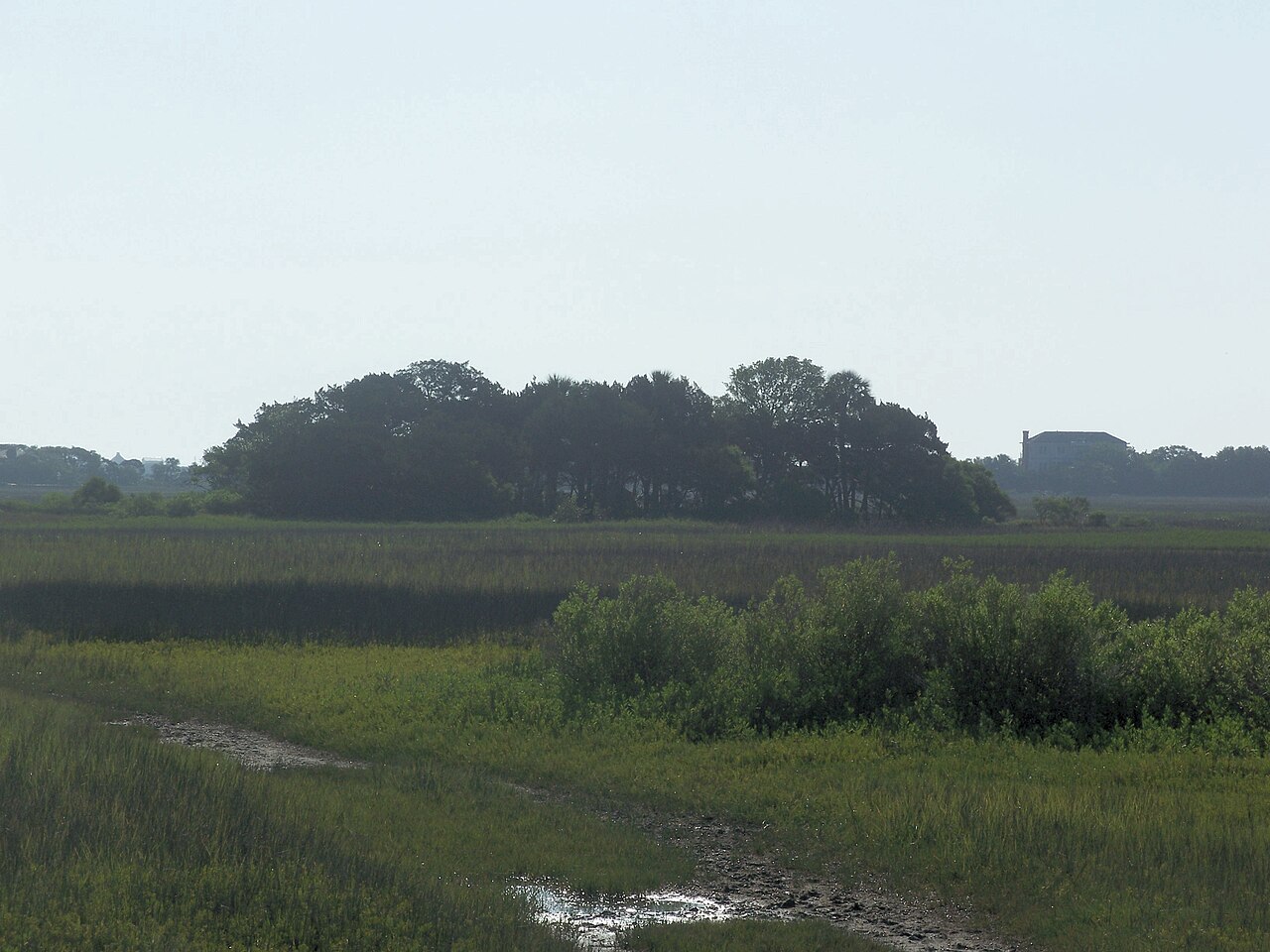
Fort Mose is the place that most changes how visitors understand St. Augustine, and it is still overlooked by most of them. In the late 1600s, people enslaved in the English Carolinas began escaping south to Spanish Florida, where the Spanish crown offered freedom to those who accepted Catholicism and served the colony. In 1738 the governor established a fortified town for them two miles north of St. Augustine: Gracia Real de Santa Teresa de Mose, led by Francisco Menéndez, a Mandinga man who had escaped slavery in Carolina and rose to command the town’s militia. It was the first legally sanctioned free Black community in what is now the United States, and it served as St. Augustine’s northern outpost, the first line of defense against British attacks. In 1740, during the English siege of the city, Mose’s militia and Spanish troops counterattacked the British force that had occupied the fort, in the battle remembered as Bloody Mose. The settlement was rebuilt in 1752 and lasted until Spain ceded Florida to Britain in 1763, when its residents left for Cuba with the Spanish. Nothing of the wooden fort survives above ground; archaeologists located the site in the salt marsh in the 1980s, and today it is a National Historic Landmark and a state park. The visitor center museum tells the story through exhibits, artifacts and multimedia, and a boardwalk runs out over the marsh to an observation platform near the fort’s location, with interpretive panels along the way and wide views over the tidal creeks where the town once stood.
Visiting: the park is open daily, every day of the year, and there is no entrance fee, though donations to the citizen-support organization are welcome. The visitor center and museum, the boardwalk, picnic areas and a kayak launch onto the marsh creeks are the facilities; check the park’s page for the museum’s current days, which can differ from the grounds’ hours. It is a short drive north of the historic district off U.S. 1 — about ten minutes from the City Gates — and parking is free and easy. Allow an hour for the museum and boardwalk, longer if you paddle or linger for birding, which is excellent: herons, egrets, wood storks and roseate spoonbills feed in the marsh, and the boardwalk is a peaceful spot at sunrise or late afternoon.
Events bring the story to life. The park and its support group hold living-history programs through the year, including reenactments of the 1740 battle and militia musters with costumed interpreters, and special programming around Black History Month and Juneteenth. Check the events calendar before you go; a program day transforms the visit from a quiet museum stop into something more vivid.
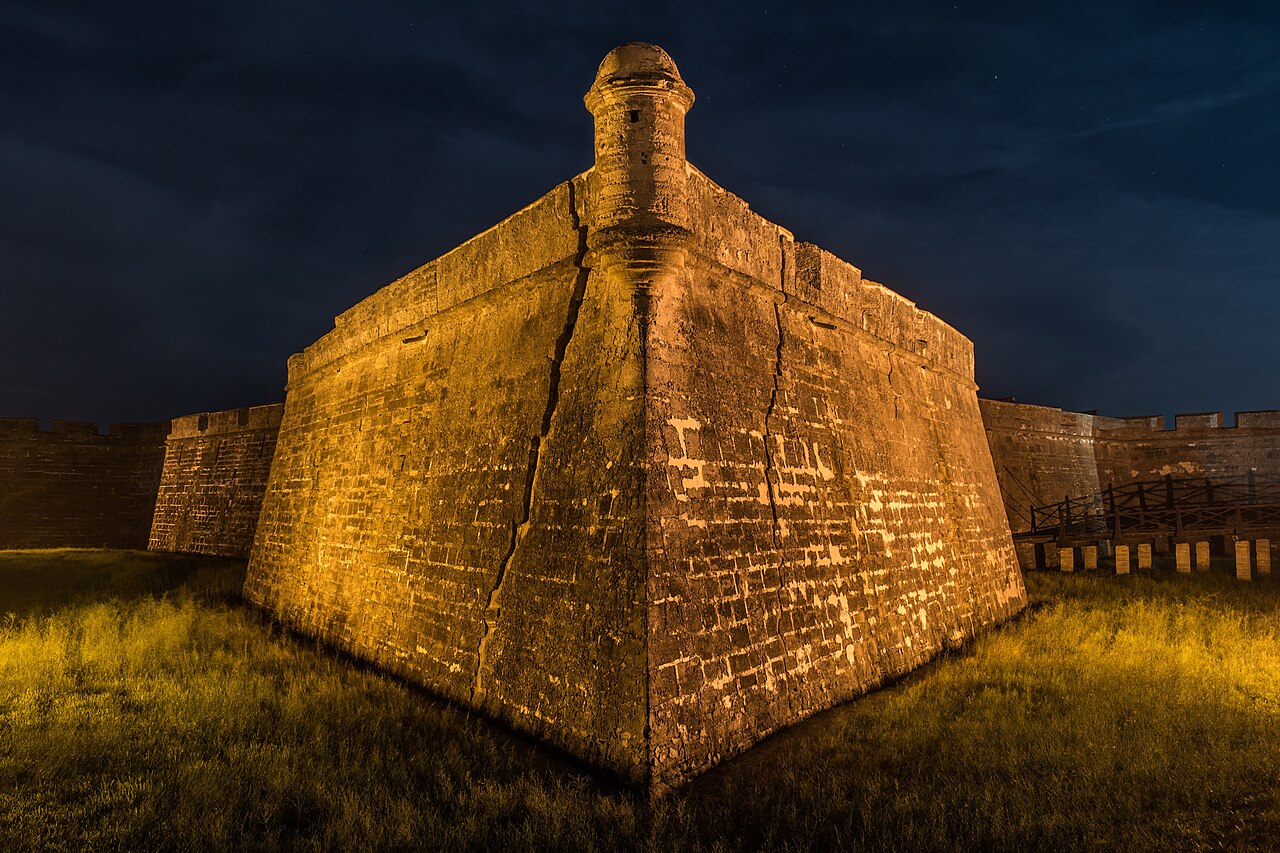
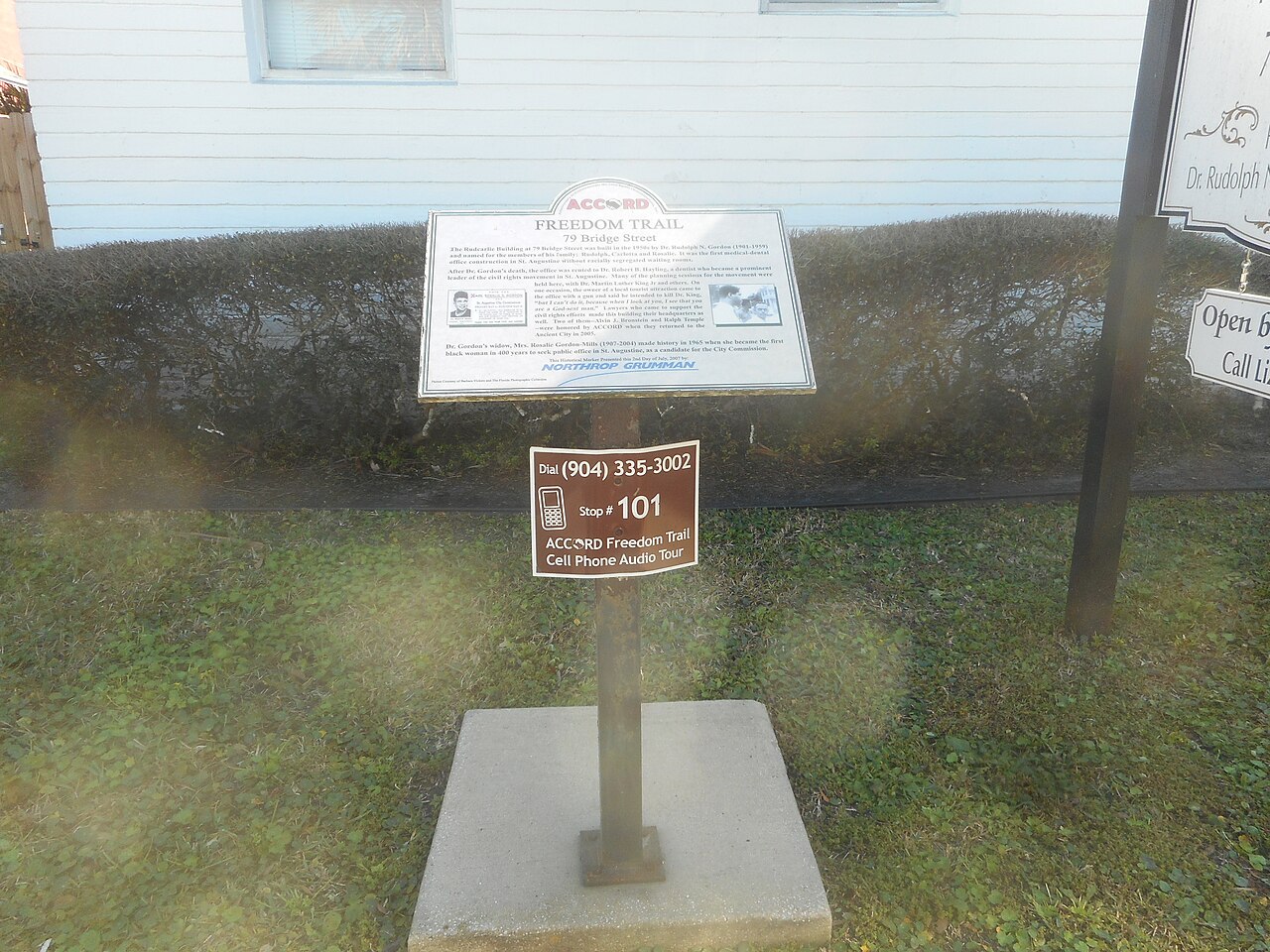
Why it matters for your trip: St. Augustine’s first two centuries are often told as a Spanish-versus-English military story. Fort Mose shows the other half: people of African descent who seized freedom, defended it with arms and helped hold Spanish Florida for a generation. It pairs naturally with the Castillo, whose garrison Mose protected, and with Lincolnville and its civil-rights history for a fuller picture of Black St. Augustine across four centuries. Insect repellent is wise in warm months on the boardwalk, and binoculars repay the effort.
What to expect
The experience
A small state park with a visitor center museum on the 1738 free Black settlement of Gracia Real de Santa Teresa de Mose, a boardwalk over the salt marsh to the fort site, picnic areas and a kayak launch.
Best time
Morning or late afternoon for birdlife and cooler air; check the calendar for living-history and reenactment days.
How long
About an hour, longer for paddling or a program day.
Tips
Free entry and easy parking, ten minutes north of the City Gates. Bring repellent and binoculars. Confirm the museum’s open days before driving out.
Quick picks
- Best for
- Anyone who wants the full story of colonial St. Augustine, not just the Spanish-English wars.
- Families
- A good, free hour with older kids; the boardwalk and birds help younger ones.
- Couples
- A quiet sunrise or late-afternoon boardwalk walk over the marsh.
- Pair with
- The Castillo, which Mose defended, and Lincolnville’s civil-rights sites.
- Time needed
- One to two hours.
Good questions
Why is Fort Mose significant?+
Founded in 1738, Gracia Real de Santa Teresa de Mose was the first legally sanctioned free Black settlement in what is now the United States, made up of people who escaped slavery in the English colonies and won freedom in Spanish Florida.
Is there anything left of the fort?+
Not above ground. Archaeologists located the site in the marsh in the 1980s. The museum, boardwalk and interpretive panels tell the story at the location.
Does it cost anything?+
No entrance fee is charged. The park is open daily, every day of the year.
How far is it from downtown?+
About two miles north of the City Gates, roughly a ten-minute drive off U.S. 1.
What was Bloody Mose?+
A 1740 battle during the English siege of St. Augustine, when Spanish troops and Mose’s free Black militia counterattacked British forces holding the fort.