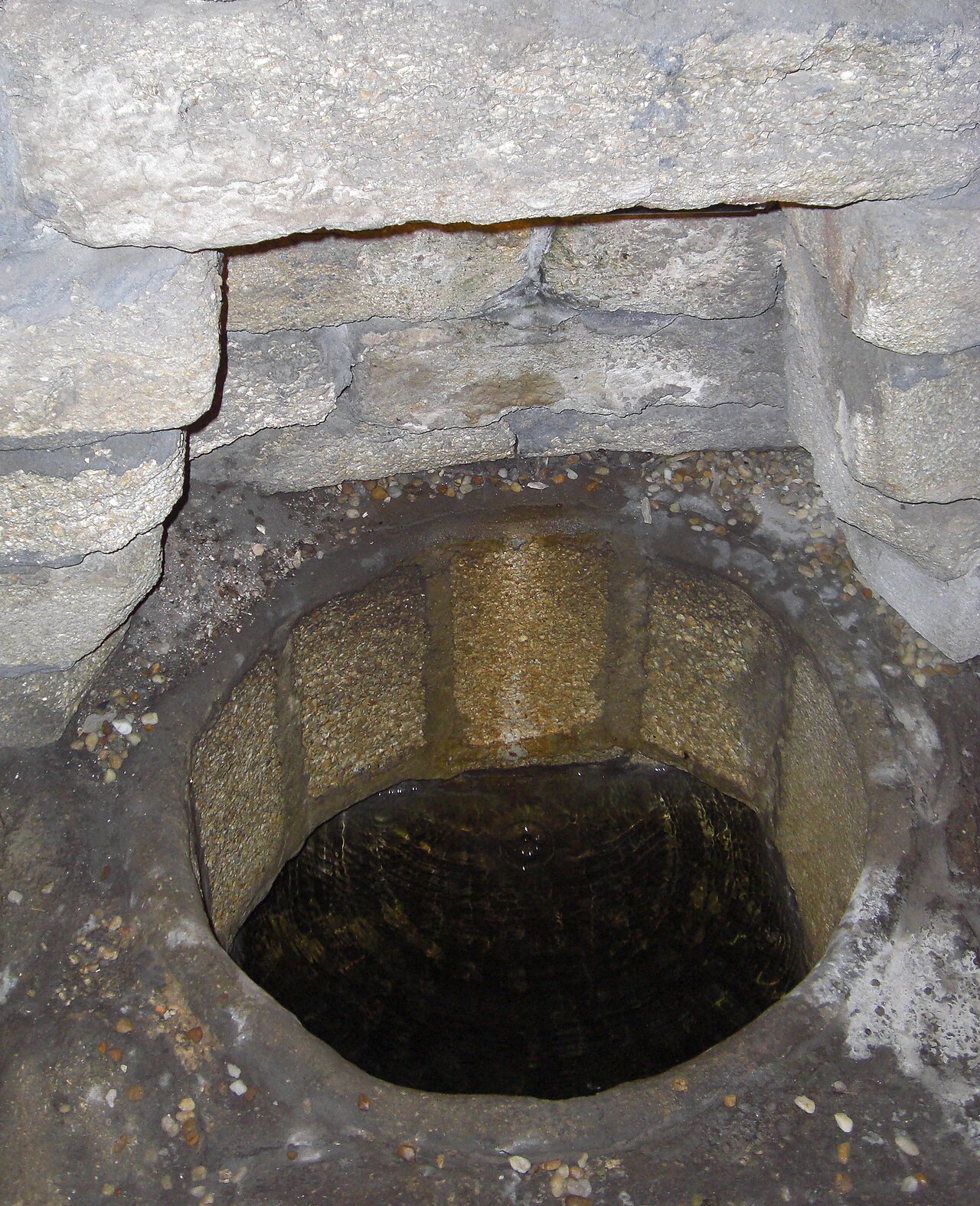
The Fountain of Youth is where St. Augustine’s kitsch and its real history meet, and the history wins. The legend is the hook: Juan Ponce de León reached Florida in 1513, and a century of tourism has attached the eternal-youth story to a spring on this property, where you can still drink a small cup of the sulfur-tinged water. The substance is underneath the lawns. Archaeologists have established that this waterfront site, on the bay north of the old town, is where Pedro Menéndez de Avilés came ashore in September 1565 and founded St. Augustine, beside the Timucua village of Seloy that had stood here for many centuries before. The park, about 15 acres, tells that layered story outdoors: a recreated Timucua village with dwellings and a statue of the chief Saturiwa; markers outlining the first Spanish settlement; reconstructions of early Spanish structures, including the first mission church; an active excavation area; and costumed interpreters who fire cannons and demonstrate weapons through the day. A planetarium and a two-story Discovery Globe explain how the navigators of the age crossed the ocean, and the 600-foot Founders Riverwalk and an observation tower look out over the Matanzas River and the salt marsh. Peacocks roam everywhere, to the delight of children, and the grounds are dog friendly.
Practical notes: the park opens daily from 9am to 6pm, with last tickets sold an hour before closing, and parking is free — a real advantage in a city where parking is the main hassle. Admission is moderate, with discounts for seniors, children 6 to 12, active-duty military, and AAA members; children five and under enter free. There is a barbecue stand on site for lunch, and the grounds are mostly shaded paths and lawns, comfortable for strollers. Allow about two hours to see the demonstrations and the riverwalk at an easy pace.
Set your expectations correctly and it is one of the most rewarding stops in town. The spring itself is a modest, old-fashioned roadside moment, and some visitors expect more; the archaeology, the Timucua story, and the weapons demonstrations are where the value lies. The people who lived here before Spain are given real attention, and the setting on the water explains, better than any museum, why Menéndez chose this spot.
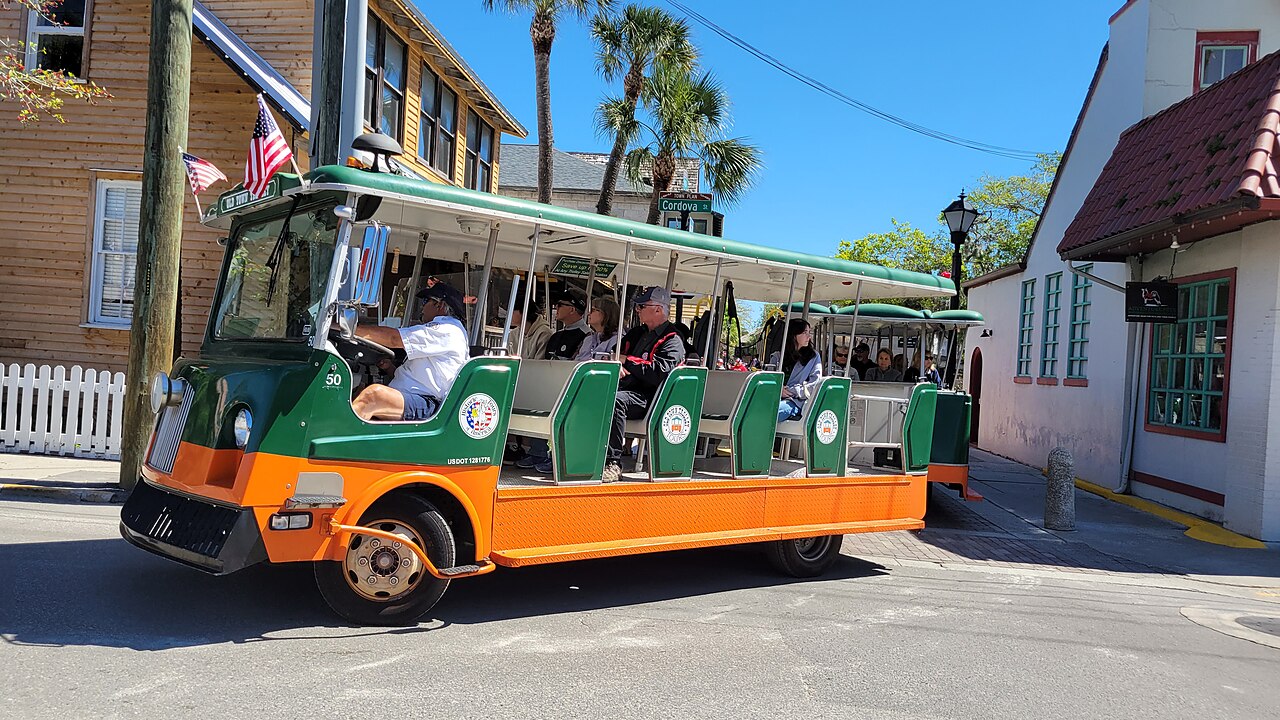
Next door, the Mission Nombre de Dios — with its towering stainless-steel cross and the small ivy-covered Shrine of Our Lady of La Leche — marks the place where the founding Mass was said, and its quiet grounds are free to walk. Together the two sites make a strong morning on the north side of the historic district, a few minutes by car or trolley from the City Gates. The Old Town Trolley stops here, which solves the parking question for visitors staying downtown, and history-minded travelers can link it with the Castillo the same day for the full 1565-to-1695 arc of the Spanish town. Photographers should time a visit for late afternoon, when the low sun lights the marsh and the river from the observation tower, and parents should know the open lawns make it one of the easiest places in town to let small children run. Interpreters are happy to answer questions between demonstrations, and the planetarium show makes a good air-conditioned break on hot days. Bring a hat in summer, because the riverwalk is exposed, and check the demonstration schedule at the entrance so you can plan your loop around the cannon firings. Groups of ten or more qualify for reduced rates, and the site works well for multigenerational families, since grandparents can sit in the shade while children follow the demonstrations. Leave the spring for last and toast the trip with a paper cup of its famously pungent water.
What to expect
The experience
An open-air archaeological park with the legendary spring, a recreated Timucua village, settlement markers, living-history weapons demonstrations, a planetarium, and a waterfront riverwalk.
Best time
Morning, when it is cooler and the demonstrations start; avoid summer midafternoons.
How long
About two hours.
Tips
Parking is free. Kids five and under are free. Treat the spring as the fun bit and the archaeology as the main event. Walk next door to the Mission Nombre de Dios grounds afterward.
Quick picks
- Best for
- History fans who want to stand where the city began, and families who like cannons and peacocks.
- Families
- Very good — open space, live demonstrations, peacocks, and a planetarium, with free parking.
- Couples
- The riverwalk and observation tower are lovely in late afternoon; combine with the quiet mission grounds next door.
- Pair with
- Mission Nombre de Dios next door and the Castillo for the full Spanish founding story.
- Time needed
- A morning.
Good questions
Is the Fountain of Youth real?+
The spring is real and you can taste it; the eternal-youth legend is tourism lore. The real significance is archaeological — this is the site of the 1565 Spanish founding of St. Augustine.
What is there besides the spring?+
A recreated Timucua village, settlement markers and reconstructions, cannon and weapons demonstrations, a planetarium, a Discovery Globe, a riverwalk, an observation tower, and peacocks.
How much time do we need?+
About two hours for the demonstrations, exhibits, and riverwalk at an easy pace.
Is parking free?+
Yes, free car and bus parking is available on site, which makes it one of the easier stops in town.
Are dogs allowed?+
Yes, the park describes itself as dog friendly. Keep dogs leashed, and mind the peacocks.