St. Augustine’s food scene is better than most visitors expect. Behind the fudge shops on St. George Street is a city with a genuine culinary identity — Spanish, Minorcan, Southern, and coastal — and a growing number of serious kitchens. Here is how to eat well, starting with the flavor you will not find anywhere else.
The datil pepper
St. Augustine’s signature ingredient is a small pepper that ripens from green to yellow to orange and packs serious heat with a sweet, fruity edge. It is known as the pepper of St. Augustine and once appeared on the city seal, and it is most widely associated with the city’s Minorcan community — descendants of settlers from the Mediterranean island of Menorca and elsewhere who came to Florida as indentured workers in the 1760s and moved to St. Augustine in the 1770s. Whether the pepper arrived with them or by some other route is debated, but the families kept it alive in their gardens for generations, and it now turns up everywhere: hot sauces, jellies, salsas, marinades, mustards, and, most famously, the chowder. Hot Stuff, a shop on narrow Treasury Street, offers free tastings of local datil sauces, and the farmers markets — the Wednesday market at the St. Johns County Ocean Pier on St. Augustine Beach and the Saturday market at the St. Augustine Amphitheatre — sell peppers, plants, and sauces to take home.
Minorcan clam chowder and local shrimp
Minorcan chowder is the city’s dish: a tomato-based clam chowder, closer to Manhattan style than New England, spiced with datil pepper. Nearly every seafood restaurant serves a version, and comparing them is a fine way to structure a trip. The other local pride is shrimp; the waters off northeast Florida have a long shrimping tradition, and fried, grilled, or boiled shrimp are on every menu. O’Steen’s, a long-running, no-frills seafood house on Anastasia Island, has been a local fried-shrimp institution for generations, and lines form accordingly.
Spanish and Cuban flavors in the old town
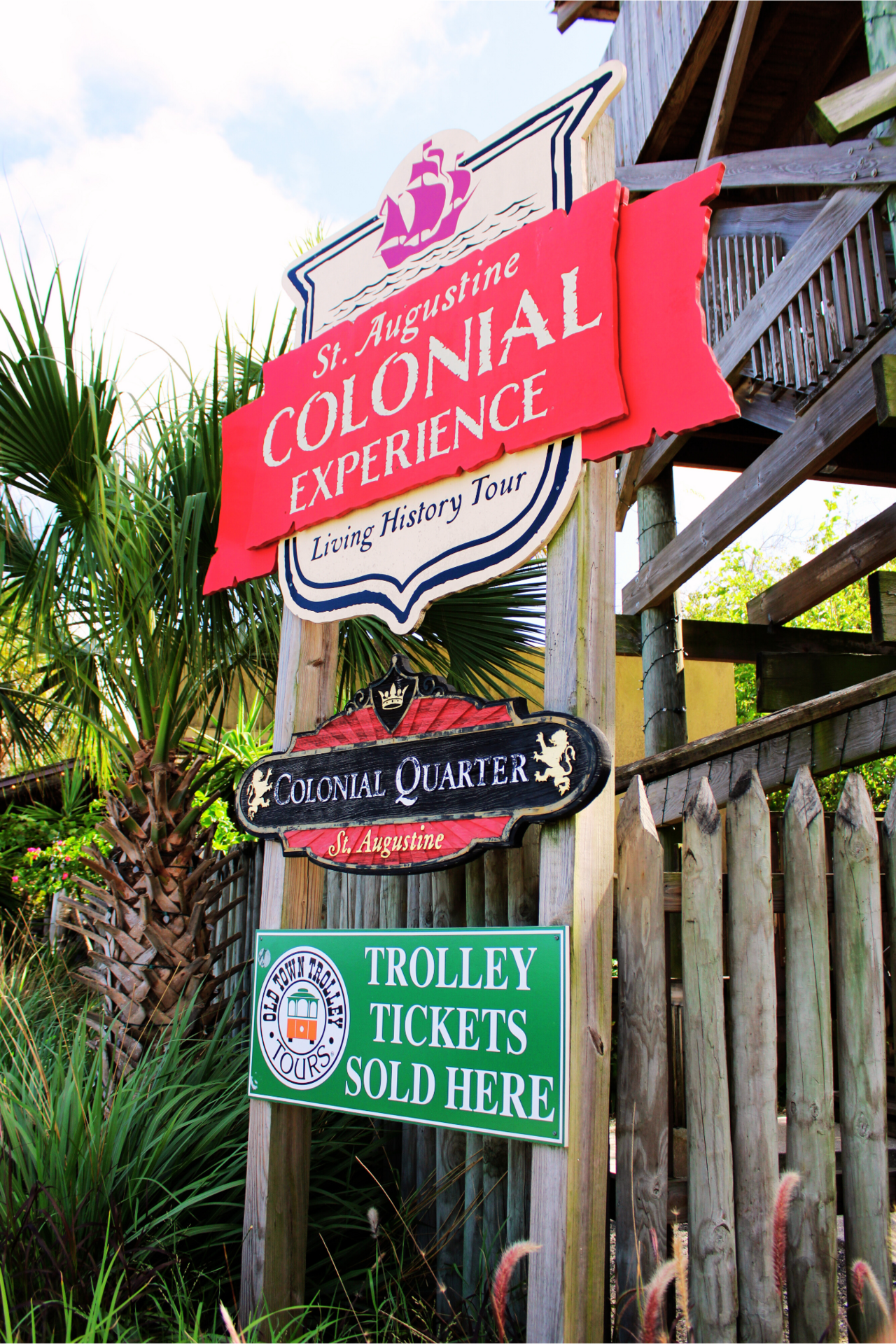
The Columbia, the St. George Street outpost of Florida’s oldest family-run Spanish restaurant group, serves classic Spanish-Cuban dishes — paella, the famous 1905 salad, Cuban sandwiches — in a tiled, fountain-filled dining room; it is a reliable lunch in the middle of a sightseeing day. Taberna del Caballo, the tavern inside the Colonial Quarter, does sangria and Cuban sandwiches in a shady courtyard. The Spanish Bakery, a tiny spot on St. George Street, has been selling empanadas and turnovers to walkers for years, and it is worth the short line.
Modern Southern and bayfront dining
The Floridian, near the plaza, is the city’s best-known modern Southern kitchen, with a menu built on local produce and seafood and dishes that use datil pepper. Along the bayfront and around the marina, the waterfront restaurants trade on the view — OC White’s and its big patio, and Meehan’s Irish Pub and Seafood House, which serves its own Minorcan chowder — and are best at sunset. Aviles Street, south of the plaza, packs cafes, wine bars, and small restaurants into the oldest street in the city and is the best area for a romantic dinner on foot.
Lincolnville and the distillery district
West of the historic district, the historic Lincolnville neighborhood and the area around the old ice plant on Riberia Street have become a food and drink destination. The St. Augustine Distillery, housed in a restored 1907 ice plant, offers free tours and tastings of its Florida-made spirits, and the Ice Plant Bar upstairs serves cocktails and a full menu in a beautifully restored industrial space. On the San Sebastian River, St. Augustine Fish Camp serves seafood with a waterside view. On King Street near the San Sebastian River, San Sebastian Winery offers free tastings of its Florida wines, including those made from native muscadine grapes, with a rooftop bar above.
Eating on the island
On Anastasia Island and St. Augustine Beach, the style is relaxed and sandy: seafood shacks, fish tacos, and rooftop decks. Salt Life Food Shack on A1A Beach Boulevard has a rooftop with ocean breezes and a menu of seafood and sushi, and the strip around the pier has plenty of casual options for a post-beach dinner. Head south on A1A toward Fort Matanzas and you will find old-school fish camps and seafood shacks along the river.
Practical tips
Reserve dinner on Friday and Saturday nights, especially in spring and during Nights of Lights, which begins the weekend before Thanksgiving and fills downtown restaurants every evening into January. Lunch is the best value at the sit-down downtown restaurants. In summer, plan the main meal for late afternoon or evening, when the heat breaks. And do not leave without a bottle of datil pepper sauce — it is the most St. Augustine souvenir there is.
Sweet stops and coffee
St. George Street has no shortage of ice cream, gelato, and fudge, and a cold treat on a hot afternoon is part of the walk. Look also for local bakeries and coffee shops on the side streets and in Lincolnville, where the quality is often higher and the lines shorter than on the main drag. Many visitors also pick up datil-pepper jellies and local honey at the farmers markets as edible souvenirs, which travel well and make good gifts.
Food and the calendar
Seafood is good year-round, but the cooler months are the most comfortable time for long lunches on outdoor patios and for exploring the farmers markets, and the holiday season brings festive menus across the historic district.