St. Augustine is small, old, and easy to love, but it rewards a little planning. The historic district is compact enough to walk in a day and dense enough to fill four, the best beaches are across the water on a separate island, and the city’s one real logistical headache — parking — is entirely solvable if you know the moves. This is the orientation we wish every first-time visitor had.
How the city fits together
Think of St. Augustine as two halves joined by the Bridge of Lions. On the mainland side, the historic district runs south from the Castillo de San Marcos and the City Gates, with St. George Street as its car-free spine, the Plaza de la Constitución at its center, and Flagler’s Gilded Age hotels along King Street just west of the plaza. North of the gates, San Marco Avenue leads to the Old Jail, the Fountain of Youth, and the Mission Nombre de Dios. Across the bridge is Anastasia Island: the lighthouse and the Alligator Farm close in, then Anastasia State Park’s wild beach, then the town of St. Augustine Beach with its pier and beach hotels, and finally, about fourteen miles south, Fort Matanzas and, a little farther, Marineland. Most first trips split about two-thirds old town and one-third island.
The five experiences that matter most
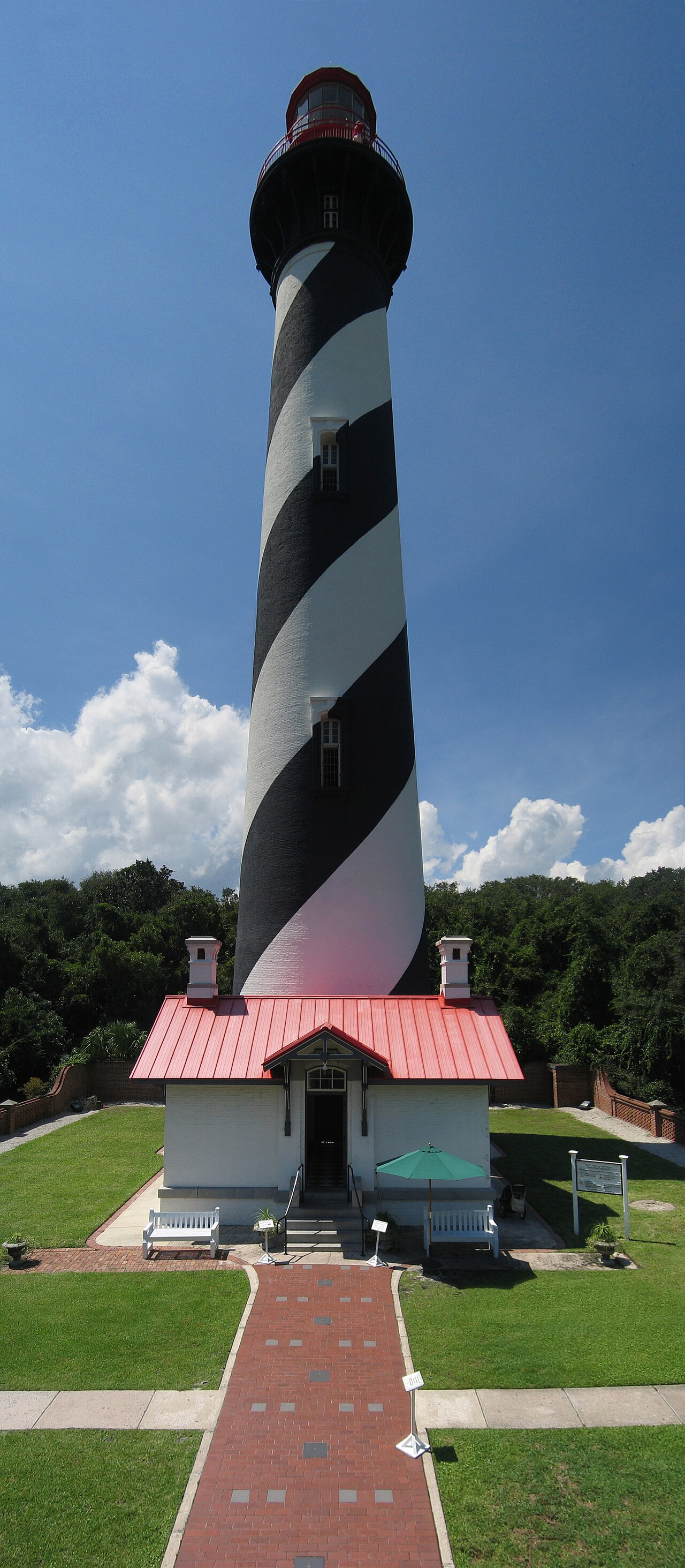
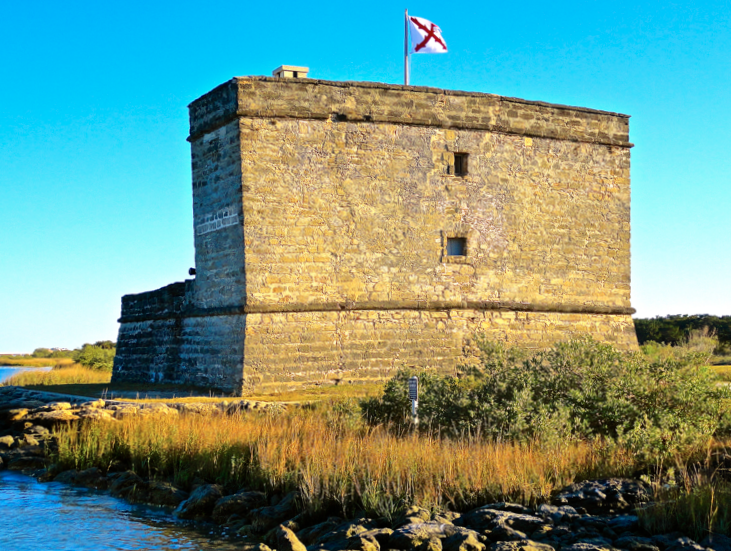
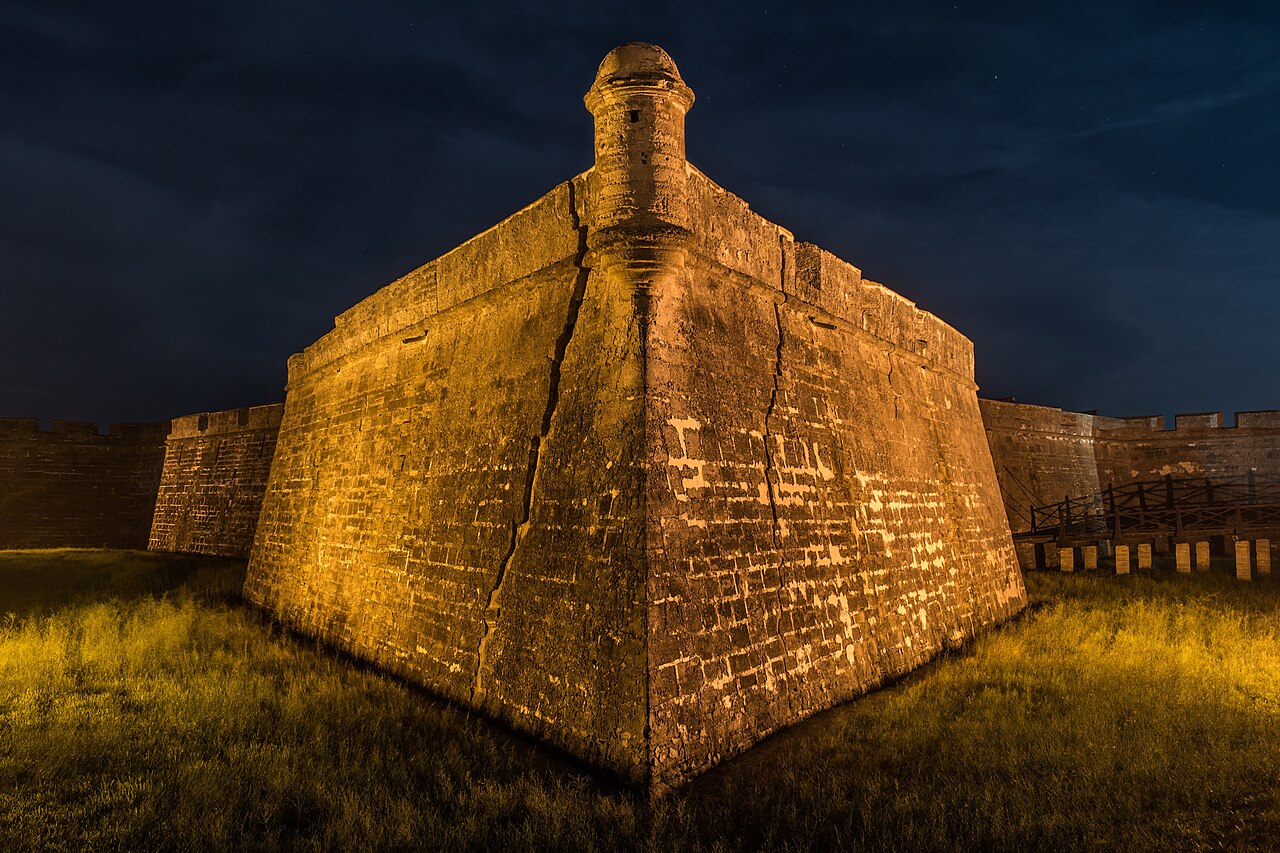
If you see nothing else: the Castillo de San Marcos, the oldest masonry fort in the continental United States, ideally at opening and on a weekend cannon-firing day; a slow walk down St. George Street and its side lanes, especially Aviles Street south of the plaza; the Flagler College tour, for the Tiffany-glass dining hall and the rotunda of the former Hotel Ponce de Leon; the 219-step climb of the St. Augustine Lighthouse, for the best view in town; and the free Park Service ferry to Fort Matanzas, a small fort on a marsh island that many visitors end up loving most. Add the Fountain of Youth for the founding story and the Alligator Farm if you have children, and you have a first trip that covers every era of the city.
Getting around and parking
The historic district is a walking town, and once you are in it you will not want the car. The trick is where to leave it. The Historic Downtown Parking Facility beside the Visitor Information Center, just north of the City Gates, is the default: central, covered, and a short walk from everything. Metered street parking exists but turns over slowly. The Old Town Trolley is the other answer — park once at its base at the Old Jail on San Marco Avenue, ride the full narrated loop for orientation, then hop on and off all day at 22 stops. For Anastasia Island you need a car, a bike, or rideshares; distances are short but A1A is not a walking road.
When to visit
Spring and fall are the sweet spots: warm days, cooler evenings, manageable humidity. Summer is hot and humid with near-daily afternoon thunderstorms, which close the Castillo’s gun deck and the lighthouse tower temporarily and cancel the Fort Matanzas ferry; plan outdoor sights for mornings. Hurricane season runs June through November. Winter is mild and the city’s busiest cultural season, thanks to Nights of Lights, the holiday festival that switches on more than three million white lights the weekend before Thanksgiving — November 21, 2026, this season — and runs through January 18, 2027. Admission to the lights is free; traffic and parking are the cost.
What to skip, or do quickly
The northern blocks of St. George Street are dense with souvenir shops, fudge counters, and small paid museums of variable quality; walk through, enjoy the buzz, and save your money for the Colonial Quarter if you want a paid stop there. Be selective with ghost tours — there are dozens, and quality varies — and pick an established operator like Ghosts & Gravestones or the lighthouse’s own after-dark tours. Do not try to drive and park at multiple downtown sights in a single day; it eats hours.
A few local habits
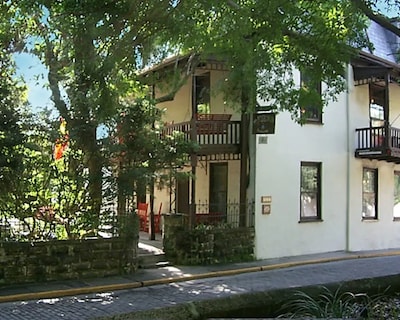
Look up: the balconies, rooflines, and coquina walls are the point of the old town. Walk the bayfront seawall at dusk for the view across Matanzas Bay to the lighthouse, and cross the Bridge of Lions on foot at least once. Eat something with datil pepper, the small, fiery pepper associated with the city’s Minorcan community, and try Minorcan clam chowder. Wear real walking shoes; the old streets are uneven in places. And leave one evening unscheduled for wandering the lamplit lanes after the day-trippers have gone — St. Augustine at night, quiet and glowing, is the city at its most itself.
How long to stay
Two full days covers the essentials in a rush; three days lets you do the old town properly and add a beach-and-Fort-Matanzas day on the island; four or five days turns it into a real vacation with beach time, Marineland, and slow evenings. Whatever the length, sleep within walking distance of the plaza for at least part of the trip — waking up inside the old town is half the experience.
Where to sleep, in one paragraph
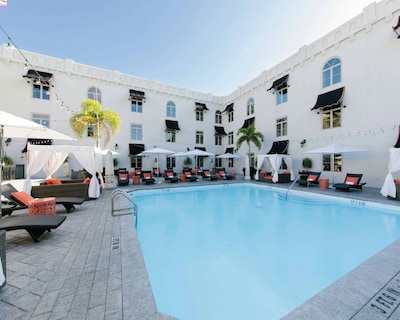
For a first visit, the historic district or the bayfront is the right base: you can walk to dinner, wander after dark, and watch the old town wake up. The Casa Monica is the grand-hotel splurge, the St. Francis Inn the classic bed and breakfast, and the Hilton Historic Bayfront the reliable brand-name choice with bay views. If the beach matters as much as the history, consider splitting the trip with a couple of nights on St. Augustine Beach, and see our where-to-stay guide for the full breakdown. Whatever you choose, book early for spring weekends and for Nights of Lights, when the best rooms in the old town disappear months ahead.