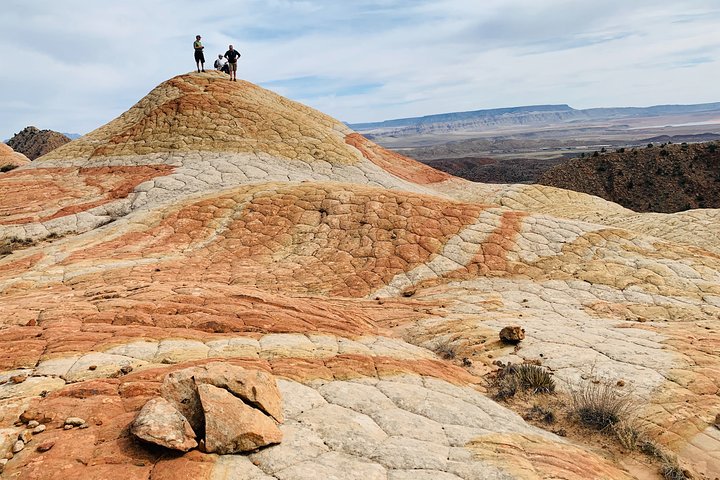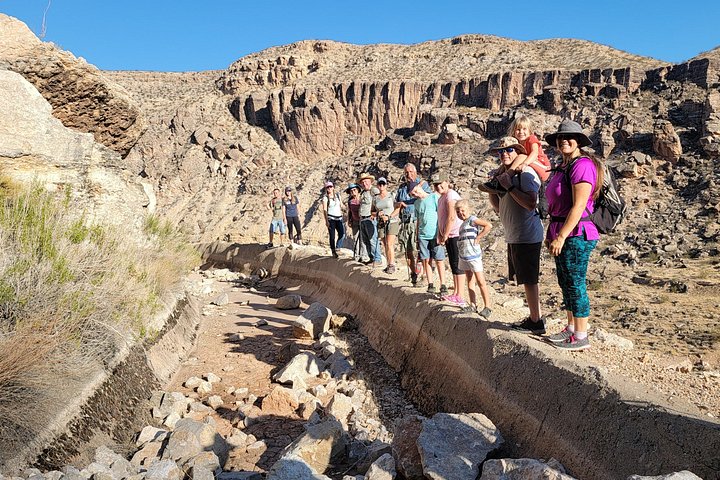
Southern Utah is covered in rock art. For thousands of years, Indigenous peoples, including the Ancestral Puebloans and later Paiute groups, pecked, scratched and painted images onto sandstone walls and boulders. Spirals, animals, handprints and abstract shapes appear in places that are hard to find without local knowledge. A guided petroglyph hike near St. George takes small groups to some of these panels, away from the busiest trails. The experience combines a moderate desert walk with interpretation. Guides explain how to read the images, what historians and descendants understand about them and why the panels deserve protection. They also model good behavior: no touching, no chalk or rubbing, no climbing on the rock and no collecting artifacts.
Rock art is fragile. Oils from skin, tracing and graffiti have damaged many sites, which is why guides emphasize looking rather than touching. At the panels you may see bighorn sheep, lizards, human figures and geometric designs, some of them pecked into dark desert varnish and others etched more lightly. Light conditions change what you can see, so good guides choose routes and times to make the images clear without harming them.
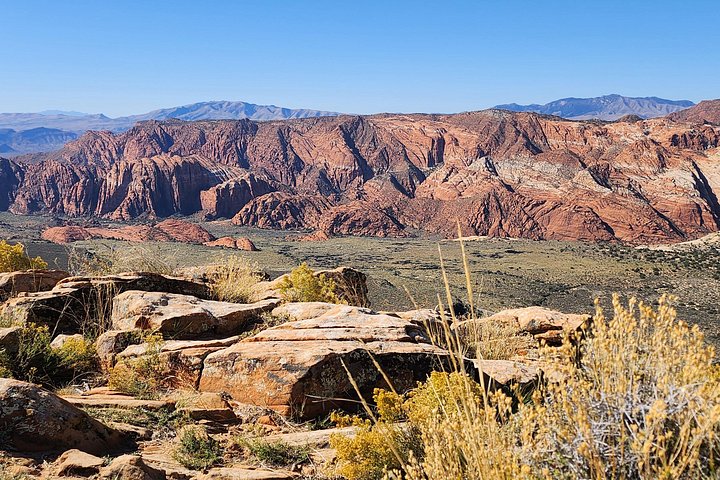
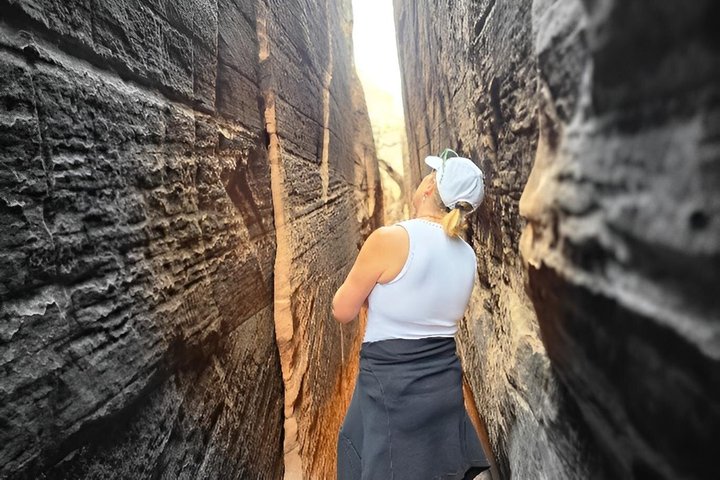
The walk itself is typically moderate. Expect sand, rock and some elevation changes, with little shade. Dress in layers in the cooler months, wear a hat and carry plenty of water in warm months. Boots or hiking shoes with grip are best, and trekking poles can help on loose slopes. Operators usually specify distance and difficulty in the product details, so read these carefully and be honest about your fitness.
Interpretation matters. The meaning of petroglyphs is not fully known, and responsible guides present multiple perspectives, acknowledging that some images may record hunting, travel, ceremony or storytelling, while others may be markers or clan symbols. Descendant communities have their own understanding, and visitors are encouraged to listen respectfully and to ask questions without demanding certainty. That humility is part of the value of the visit.
Group sizes are generally small, which gives you time to study each panel and ask questions. The experience suits curious adults, teens with an interest in history or archaeology and photographers who appreciate quiet, textured images. Young children may tire on long walks, so consider the pace and distance. For safety, tell someone where you are going, bring a phone with offline maps and follow the guide's directions around cliffs and washes.
Practical tips
Book early in busy seasons, confirm the meeting point, and check cancellation terms in case of heat or storms. The best months are spring and autumn, when temperatures are comfortable and the light is soft. Combine the outing with a visit to a local museum or a stop at a viewpoint in the afternoon, and you will gain a fuller sense of how long people have lived in and loved this country. Leave no trace, take only photographs, and let the images stay where they have survived for centuries.
If you want to learn more before or after the walk, local museums and visitor centers often have exhibits about the Indigenous peoples of the Colorado Plateau. A little background makes the images more meaningful, and it reminds you that these panels are part of living cultural heritage rather than simple scenery. Treat them with the same care you would give a historic building, and your guide will thank you.
What to expect
The experience
A small-group guided desert walk to ancient rock art panels, with interpretation and photo time.
Best time
Spring or autumn mornings.
How long
Three to four hours.
Tips
Never touch the panels, wear grippy shoes, carry plenty of water and confirm the difficulty level before you book.
Quick picks
- Best for
- Curious travelers who want to meet the region's deep human history.
- Families
- Best for older children and teens interested in archaeology.
- Couples
- A quiet, thoughtful morning away from the crowds.
- Pair with
- Candy Cliffs hike or a museum visit in the afternoon.
- Time needed
- A morning.
Good questions
Can I touch the rock art?+
No. Oils and rubbing damage the images. Look and photograph from a respectful distance.
How old are the petroglyphs?+
Ages vary; some may be many centuries or even thousands of years old.
How difficult is the walk?+
Typically moderate, with sand, rock and some elevation changes. Check the details when you book.
Is it suitable for children?+
Teens and older children usually do best. Check the pace and distance.
What should I bring?+
Water, sun protection, grippy shoes, snacks and a camera.