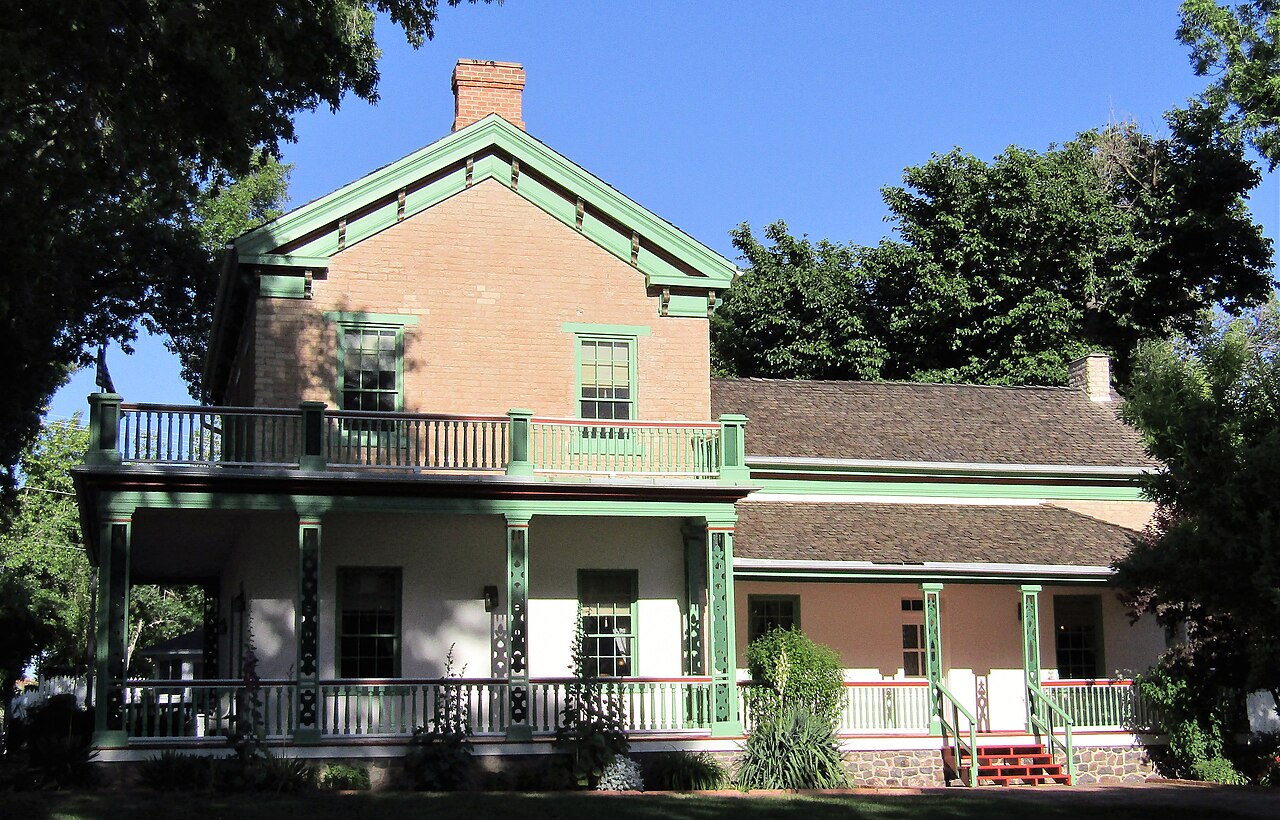
Brigham Young was in his late sixties and feeling the cold when he built a home in the warm Virgin River valley so he could escape Salt Lake City winters. The Winter Home, finished in the early 1870s, is a two-story house with an orchard, outbuildings and a covered porch that feels more like a comfortable family house than a mansion. He and several of his families lived here for the cold months until his death in 1877, and the property is now a historic site operated by The Church of Jesus Christ of Latter-day Saints. Guided tours move through the rooms, which are decorated with period furniture and tools, and explain how the family lived, worked and entertained in the early years of the settlement. The guides, often volunteers, tell stories about Young's office, the kitchen, the family dinners and the visitors who traveled long distances to see him.
The tour usually lasts about half an hour and is free. Guides tend to be informal and chatty, and they welcome questions about the building and the era. The house has been carefully restored with period fixtures and the grounds include a garden and a small orchard that remind visitors how much food production mattered to a community with few markets. Hours and tour availability vary by season, so check before you plan around the visit.
Context makes the visit richer. St. George was not a casual choice for the pioneer church: sending hundreds of families to grow cotton and silk was an economic strategy meant to make the territory less dependent on imports. Young's presence in the winters turned the town into a second capital of sorts, and his house saw meetings, religious leadership and visits from distinguished guests. You can see the practical nature of the place in details such as the ground-floor office, the large rooms for gathering and the simple, sturdy stairs.
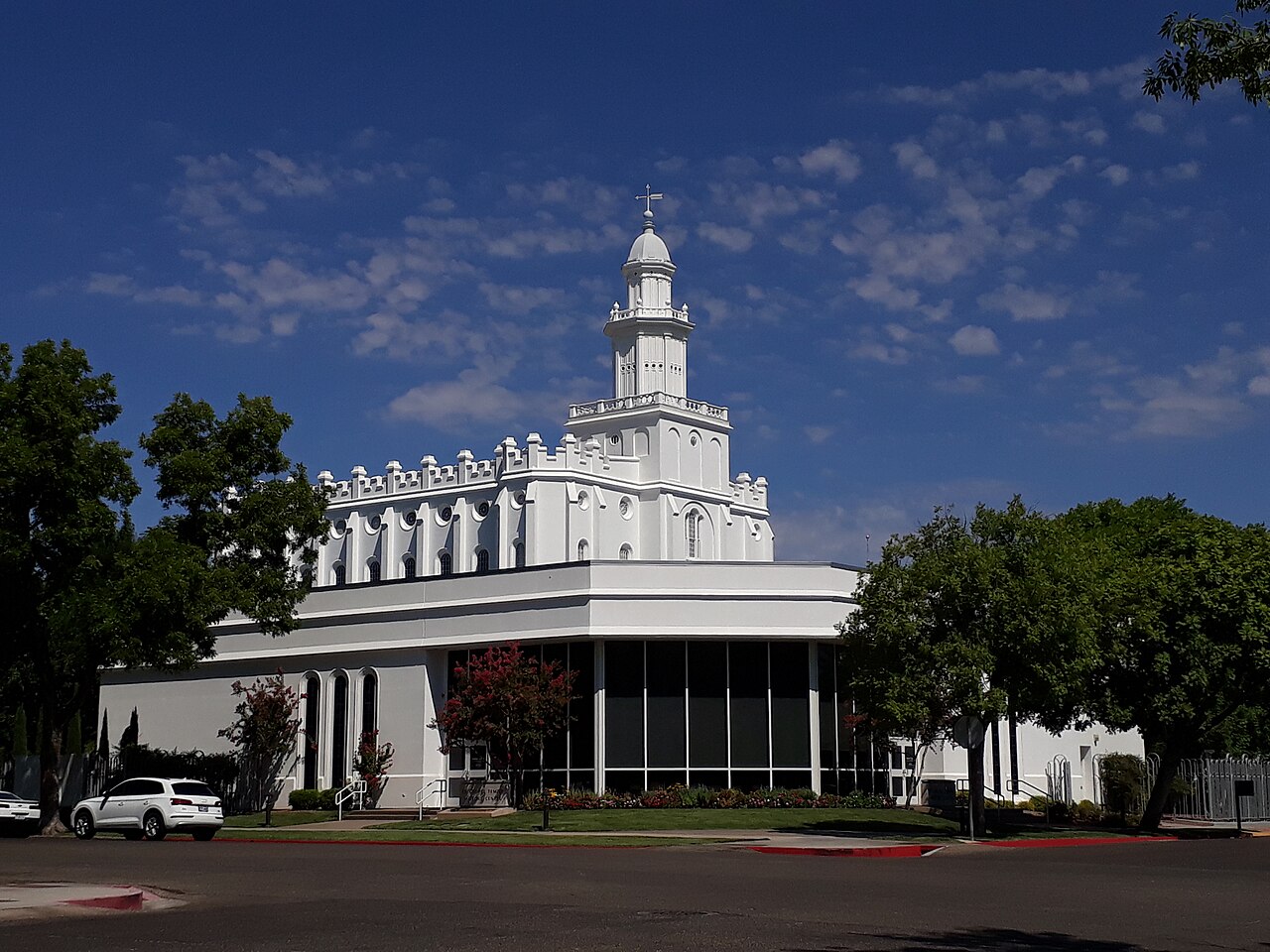
The Winter Home is a short stroll from the Tabernacle, the temple grounds and Town Square, so it makes sense to treat these as a single outing. A leisurely route starts at the Tabernacle, moves to the temple visitors center, then ends here for a final tour before lunch. The walk is flat, fairly shady in the old neighborhoods and manageable for most visitors. In summer, go early; in winter, the house is warm and welcoming.
Families with older children usually enjoy the tour, especially when the guide invites kids to look at the tools and furniture. For small children the experience may be short-lived, but the garden gives them space to move. People with an interest in nineteenth-century domestic life, Western settlement or religious history will find plenty to discuss with the guides afterward.
As with other church-run sites in town, visitors of every background are welcome. Dress comfortably but neatly and respect the house and the volunteers. There is no pressure to join in any religious activity, and guides are used to answering both historical and doctrinal questions. When you leave, you will understand why a house in a small desert town matters to the story of the American West.
Plan a few extra minutes in the gardens and outbuildings. The property includes details that are easy to miss, from the way the kitchen is arranged to the plain furniture that shows how practical daily life was. Children may enjoy a quick game of spotting objects that no longer exist in modern homes. When you leave, take the shaded sidewalks back toward the Tabernacle and temple, letting the quiet neighborhood finish the story the house began.
What to expect
The experience
A short guided tour of a restored 1870s home, with period furnishings and a garden.
Best time
Morning, before the afternoon heat and before tour groups gather.
How long
Thirty to forty-five minutes.
Tips
Check hours first, ask guides about daily life in the settlement and combine with the Tabernacle and temple grounds.
Quick picks
- Best for
- People who like to see how pioneers actually lived rather than just read about them.
- Families
- Fine for children old enough to enjoy a short tour; the garden helps with restless kids.
- Couples
- A relaxed, free stop on a downtown walk.
- Pair with
- St. George Tabernacle, temple visitors center and Town Square.
- Time needed
- Under an hour including the walk from nearby sights.
Good questions
Is there an admission fee?+
No, tours are generally free, though donations may be welcomed.
Do I need a reservation?+
Usually not, but hours and group arrangements vary, so check ahead if you have a large party.
Who was Brigham Young?+
He led The Church of Jesus Christ of Latter-day Saints through the pioneer migration to Utah and directed the settlement of the St. George area.
Is it suitable for children?+
Yes, particularly older children. Tours are short and informal.
Is the house accessible?+
The historic building has stairs; ask the guides about accessibility options before you visit.