The St. George Tabernacle is the building that explains the city. When Brigham Young sent a company of Latter-day Saint families to the Virgin River valley in 1861, the mission was to farm cotton and fruit in a hot, remote corner of Utah. Within a few years the settlers were also building public monuments, and the Tabernacle, begun in the 1860s and completed in the following decade, was the grandest of them. Its walls are local red sandstone, its tall white tower holds a clock, and its pointed windows and woodwork give a Gothic Revival feel that looks surprisingly polished in a pioneer town. Today the building is a free stop in the middle of downtown, usually open for visitors who want to walk in, look at the interior and read about how a few hundred families built something this ambitious with hand tools and borrowed skill. It sits within an easy walk of Town Square, Ancestor Square and the old streets that made up the original Dixie settlement.
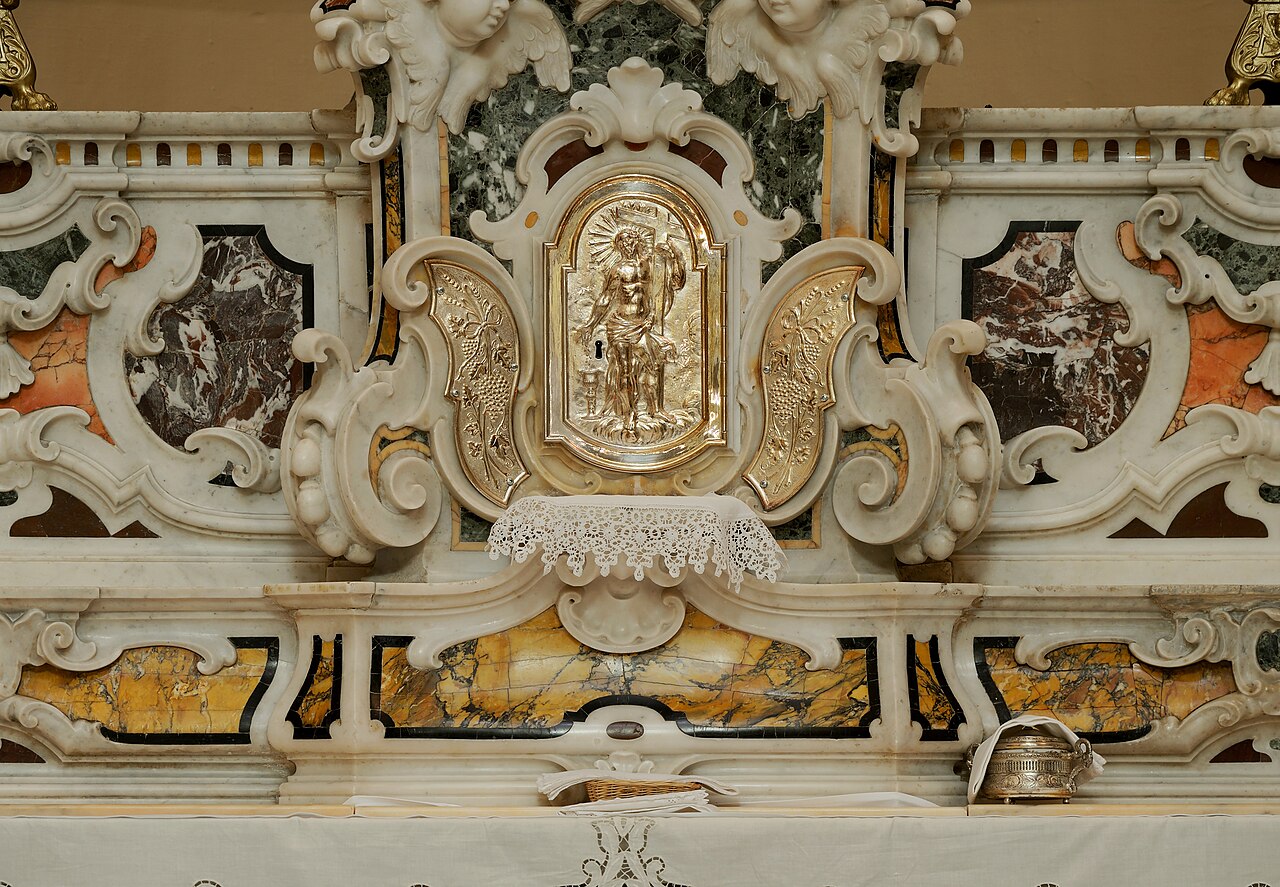
Inside, the main hall has the plain, well-proportioned feel of nineteenth-century meeting houses, with a balcony, wooden pews and a high ceiling. Volunteer hosts are often on hand to answer questions about the construction, the cotton mission and the people who gave their labor. If you ask, they will tell you about the pioneers who cut sandstone in nearby quarries, hauled timber from mountain forests and used what they could find to finish ornate details.
Hours and tour availability change by season and by the building's use for community events, so it is worth checking before you plan around it.
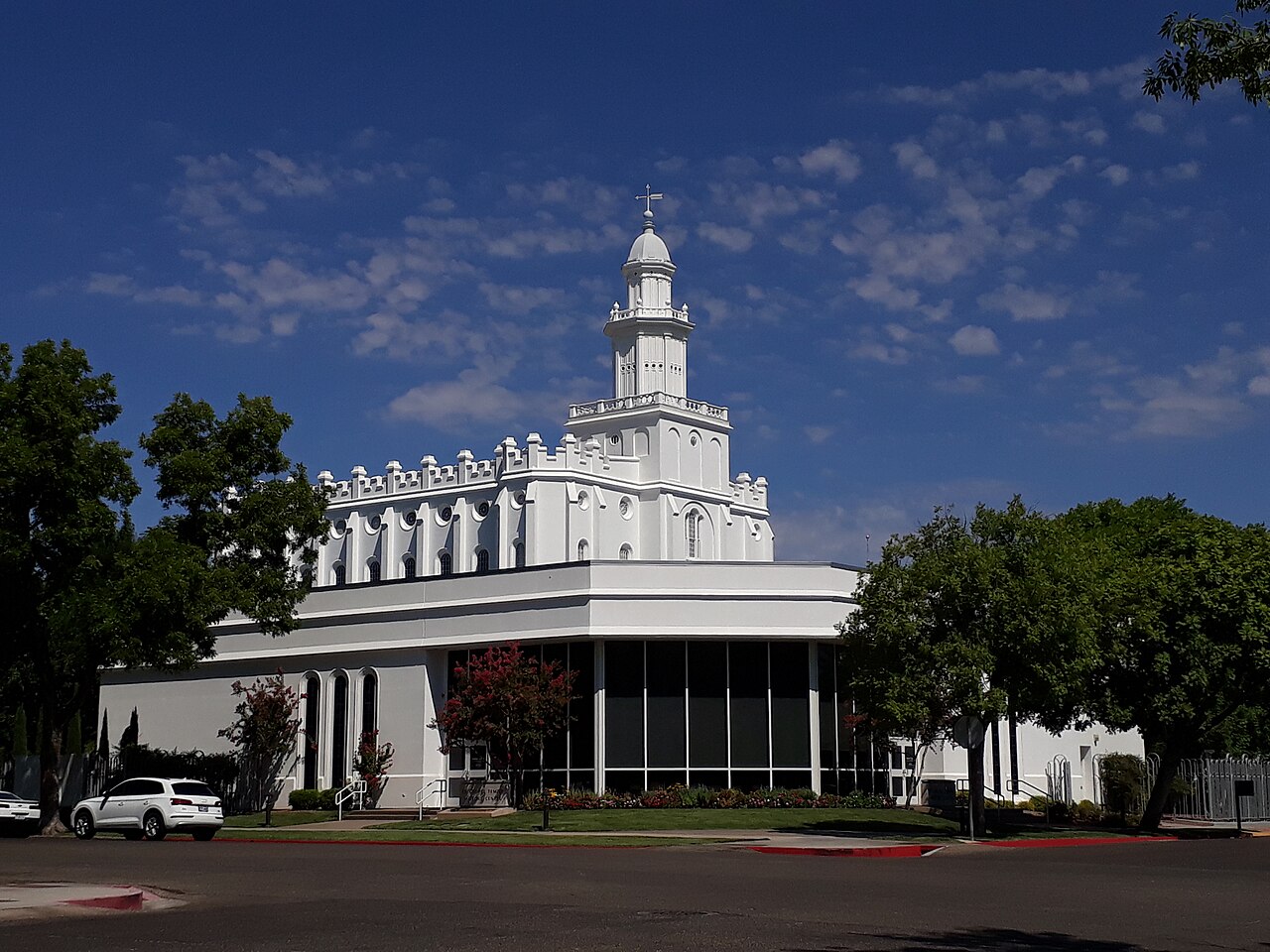
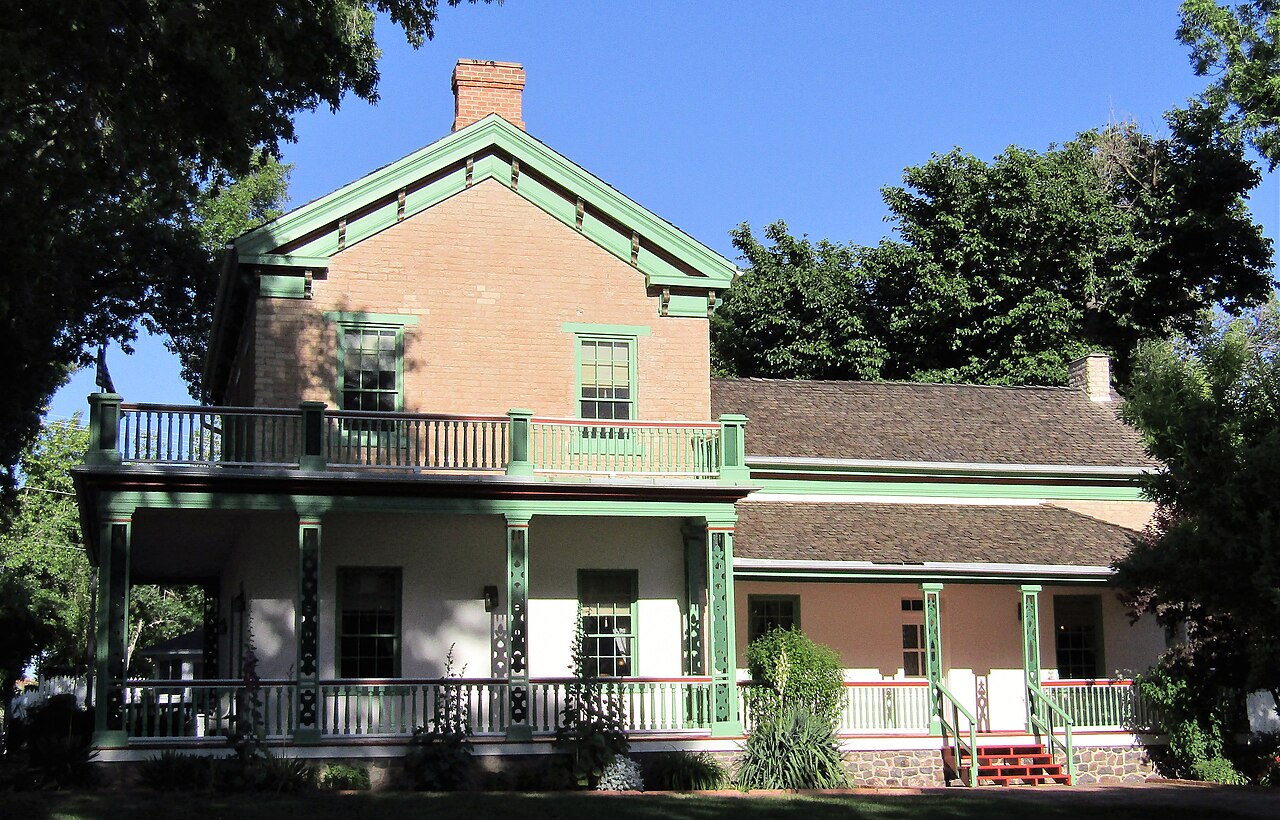
The Tabernacle works best as the opening act of a downtown history walk. Start here, move on to the St. George Utah Temple a few blocks away, then continue to the Brigham Young Winter Home and the historic homes scattered nearby. The whole circuit is flat, shaded in places and easy in spring or autumn. In the heat of summer it is better to go early or use the buildings as air-conditioned breaks, one by one, between a cold drink and the next sight.
For families, the stop is brief but memorable, particularly for children who have never been inside a building this old in the West. The scale feels human rather than monumental, so there is nothing to endure, and the interior can usually be seen in half an hour. Photographers will appreciate the tower and the warm color of the sandstone in late afternoon light, when the street in front fills with soft shadows.
A little context improves the visit. The pioneers called this region Utah's Dixie because of the cotton they hoped to grow, and the name stuck to buildings, streets and institutions long after the cotton industry faded. Understanding that background makes the rest of the town easier to read. Courtesy matters too: the Tabernacle is an active part of the local community, so dress modestly, keep voices low and follow any posted guidance.
Combine it with a stroll through nearby galleries, a bite on Main Street or a stop at Town Square, and you have a relaxed, free morning that puts the rest of your St. George trip in perspective.
If you have time, return in the evening. The tower and the surrounding streets look different after sunset, when the sandstone takes on a deeper color and the downtown crowd thins out. Even when the doors are closed, the exterior is worth a slow circuit, and the benches and lawns nearby make a pleasant place to rest. Reading a short history of the pioneer settlement before you go will make every window, beam and stone feel more meaningful.
What to expect
The experience
A self-guided visit to a restored pioneer meeting house, often with volunteer hosts who answer questions.
Best time
Morning or late afternoon; the sandstone glows in low sun.
How long
Thirty to sixty minutes, longer if you join a conversation with a host.
Tips
Check hours first, dress modestly, keep voices low and combine the visit with the temple grounds and Winter Home.
Quick picks
- Best for
- Anyone who wants to understand why a city of this size exists in the desert.
- Families
- Good for older children; the visit is short and the story of building with hand tools sticks.
- Couples
- A calm, free stop that pairs well with a downtown lunch.
- Pair with
- St. George Utah Temple grounds, Brigham Young Winter Home and Ancestor Square.
- Time needed
- About an hour including the walk between nearby historic sites.
Good questions
Does it cost anything to visit?+
The Tabernacle is generally free to enter. Donations are not required, though visitors are welcome to ask about any programs.
When is it open?+
Hours vary by season and by community events, so check before you go rather than assuming a standard schedule.
Do I need to be a member of the church to enter?+
No. Visitors of all backgrounds are welcome in the Tabernacle during public hours.
Is it wheelchair accessible?+
Accessibility details can change, so ask the hosts or check ahead if mobility is a concern, especially for the balcony and upper areas.
What else is nearby?+
Within a few blocks you will find the temple grounds, the Brigham Young Winter Home, Ancestor Square, Town Square and plenty of cafes.