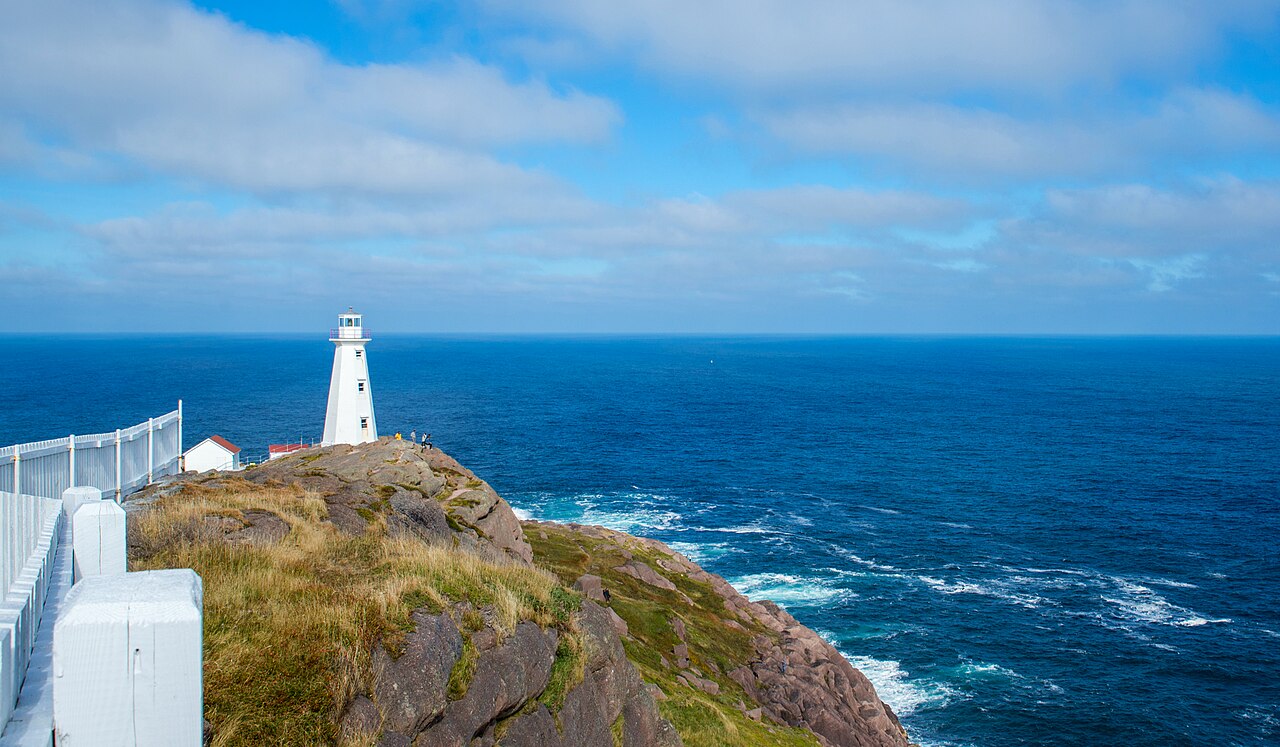
Cape St. Mary's Ecological Reserve is one of the great seabird spectacles of eastern Canada, and you can see it from land. Bird Rock is a sandstone sea stack about 100 metres high just off the cliff, and during the breeding season roughly 24,000 northern gannets nest on its ledges, together with thousands of kittiwakes, murres and razorbills. A trail of about one kilometre crosses cliff-top meadows to a viewing area where the birds can be seen from as close as ten metres, which gives you a rare chance to look at gannets at eye level without any boat. The reserve is managed by the province and there is no fee to visit. The scene is noisy, crowded and a little smelly, but very memorable, with the birds gliding past the cliff edge and the Atlantic stretching beyond. It is a long drive from St. John's, so plan a full day.
What to do
Begin at the interpretation centre, which is open daily during the season, with staff, washrooms and a gift shop. Staff can tell you about current conditions on the trail and where the birds are best seen. Then walk the path, which crosses open meadows to the cliff. Stay on the main path, avoid the breeding areas and keep well back from the cliff edges.
At the viewing area you can watch the gannets, their elegant white and gold plumage, their feeding dives and their courtship displays, and you may also see other seabirds, and sometimes whales offshore. Bring binoculars and a camera with a zoom lens if you have them, though the birds are close enough for good photographs without.
Practical planning
The reserve is about two and a half hours by road from St. John's, so it is a long day, and the route passes through small outport communities that are worth a slow look. The interpretation centre is open from May to October. The best time for gannets is the breeding season, which runs through the summer.
Fog is common here, averaging about 200 days a year, and early summer is often damp, cool and foggy, so bring warm waterproof clothing and good walking shoes. The trail is not wheelchair accessible. Pets are not permitted, though service animals are allowed, and drones and low-flying aircraft are not allowed. There are no fees to visit.
Fitting it in
It is easiest with a rental car and an early start, allowing a long day with stops. Guided day tours also run from St. John's in season, if you would rather leave the driving to someone else. Allow about an hour and a half at the reserve itself, for the walk, the viewing and the interpretation centre. If the fog is thick, you may hear the colony more than you see it, so be flexible, and ask the staff about conditions before you set out on the trail.
Combine it with a visit to the Irish Loop on a different day, or with the puffin boat tour, for a full picture of the seabirds of the Avalon Peninsula. It is one of the best wildlife experiences in the province, and it does not need a boat. Pack a thermos, a hat and gloves even in summer, because the wind on the cliff top can be cold, and spend a little time simply watching the colony rather than rushing for photographs, since the activity on the ledges, with birds landing, squabbling and collecting nesting material, is the real show.
What to expect
The experience
A self-guided cliff-top walk of about a kilometre to a close viewing area above Bird Rock, with an interpretation centre.
Best time
The breeding season through summer; the interpretation centre is open roughly May to October.
How long
About an hour and a half at the reserve, within a full day including the drive.
Tips
Allow about two and a half hours each way, wear warm waterproofs, stay on the path and ask staff about fog and trail conditions.
Quick picks
- Best for
- Bird lovers and photographers who want close views of a huge gannet colony.
- Families
- Free and memorable, but the drive is long and the cliffs need close supervision.
- Couples
- A dramatic coastal day out, best on a clear summer day.
- Pair with
- The puffin and whale boat tour, on a separate day.
- Time needed
- A full day, including about five hours of driving.
Good questions
What can I see at Cape St. Mary's?+
About 24,000 northern gannets nest on Bird Rock, alongside kittiwakes, murres and razorbills. You can watch them from a cliff-top viewing area, from as close as about ten metres.
Is there an entry fee?+
No, there is no fee to visit the reserve. The interpretation centre has staff, washrooms and a gift shop in season.
How far is it from St. John's?+
It is about two and a half hours by road, so plan a full day. There is no public transport, so you need a car or a guided day tour.
Is the trail easy?+
The path is about a kilometre across cliff-top meadows. It is not wheelchair accessible, and you should stay on the main path and away from the cliff edges.
What if it is foggy?+
Fog is common, particularly in early summer, and it can hide the colony. Ask staff about conditions, dress warmly and be ready to listen to the birds even if you cannot see them.