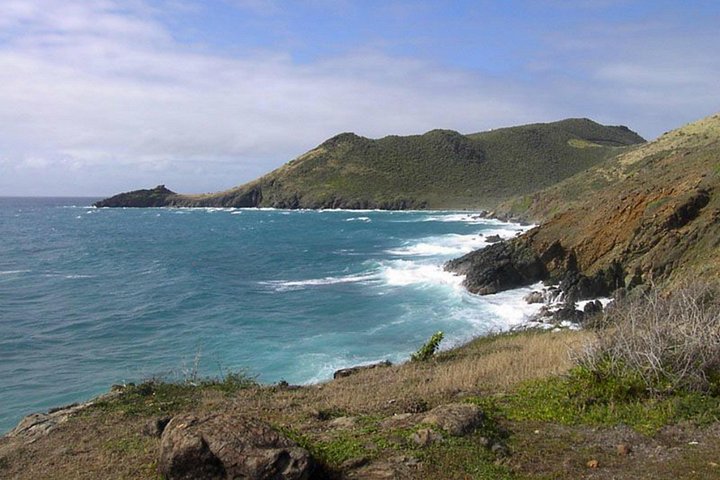
St. Maarten and St. Martin are not just beach islands. The hills, lagoon, reefs and coastal paths make for a surprising range of active options, from gentle paddling to fast jet skis and rugged trails. This guide groups the choices by effort and style, so you can build days that match your energy, your group and the weather.
On the water, fast
Jet skis and parasailing are the high-speed options. A guided jet ski tour on the French side near Terre Basse covers the coast in about ninety minutes, while Orient Bay is the base for parasailing and short rentals. Guided tours are better for beginners, because the guide sets the pace and picks the route. Expect to get wet, use a strap on sunglasses and follow the rules about distance from swimmers. Check age limits, license rules and deposits before booking.
On the water, slow
Kayaking in the lagoon is the calmest way to paddle, with sheltered water, mangroves and bird life. The Pinel Island kayak option crosses open water and suits stronger paddlers. Snorkeling is available from shore at beaches such as Dawn Beach and from boats at Pinel, Tintamarre and the turtle grounds. Wear a rash vest, use reef-safe sunscreen and keep your fins off the coral.
Under the water
If you want to see more than a snorkel allows, the SeaTrek underwater walk needs no diving certification and suits people who wear glasses or are nervous about scuba. A discover scuba session gives a first dive with an instructor. Both have health and age rules, so read the questionnaire carefully. Do not fly soon after diving, and follow the operator's advice on timing.
On wheels
Guided ATV and UTV tours cross the island's hills and coast, and open-air Jeep tours cover the same ground with less effort. Electric bike tours use pedal-assist bikes that make the hills manageable. Drivers must usually be adults with a valid license. Wear closed shoes and clothes that can get dirty, and carry water. Roads can be busy near Philipsburg and the airport, so start early.
On foot
The Guana Bay coastal hike follows the rugged east coast with views over the Atlantic, and the Pic Paradis trails at Loterie Farm lead up through forest toward the island's highest point. Wear sturdy shoes, bring water and start in the morning, because the heat builds fast. Check trail conditions after rain, as paths can be slippery. Stay on marked routes and respect private land.
On horseback
A sunset horseback ride with a campfire is a gentle active option for couples and small groups. Beginners are welcome on many rides, but weight and age limits apply, and long trousers and closed shoes are essential.
Safety basics
The sun and heat are the main hazards. Drink more water than you think you need, use sunscreen and take breaks in shade. Atlantic-facing beaches can have rip currents and surf, so check conditions and follow local warnings. Do not drink and drive any vehicle, including jet skis, ATVs and boats. Tell your operator about medical conditions, and make sure your travel insurance covers the activities you plan.
Sample plans
For a three-day active trip, spend day one on the water with a morning jet ski tour and an afternoon at Orient Bay. Day two can be a morning ATV or Jeep tour followed by a quiet snorkel at Dawn Beach. Day three could be a SeaTrek or discover scuba morning, a lagoon paddle and a sunset sail to wind down. For a slower week, alternate one active morning with a beach afternoon, and leave a full rest day in the middle.
Where to base yourself
The Dutch side's Simpson Bay and Maho areas are near the lagoon and many operators, while Orient Bay is the hub for French-side water sports. Anse Marcel and Oyster Pond suit those who want quiet evenings after active days. Whatever you choose, book popular activities ahead in winter and keep a flexible day for weather.
Packing for active days
Bring a swimsuit, quick-dry clothes, closed shoes, a hat with a strap, reef-safe sunscreen, a refillable water bottle and a waterproof phone pouch. A rash vest saves reapplying sunscreen, and a small dry bag protects valuables on boats and jet skis.