St. Maarten and St. Martin are warm all year, with sea temperatures that stay comfortable and temperatures that rarely swing far. What changes through the year is the rain, the wind, the swell, the crowds and the price. Choosing the right month is mostly a question of how much you value reliable weather and how much you are willing to pay for it. This guide lays out the seasons and what each means for beaches, boat trips and hotels.
The dry winter peak
The busiest and most expensive period runs through the winter and into spring. Rain is less frequent, the humidity is lower and the trade winds keep the heat comfortable, so days are reliably sunny and the sea is usually at its calmest on the western and southern coasts. Boat trips to Anguilla, St. Barths and Pinel run on schedule more often, and beach clubs and restaurants operate at full strength. The trade-offs are higher hotel rates, crowded beaches and full restaurants, especially in Grand Case and around Maho, so book accommodation, boat days and dinners well ahead. Cruise ships come in larger numbers in this season, so Philipsburg is busier on ship days.
Spring shoulder season
Late spring is often a sweet spot. The weather is still pleasant, the winter crowds begin to thin and prices ease. Events add atmosphere at various points in the year, including sailing regattas in the early part of the year and carnival celebrations on both sides, though dates vary, so check local calendars before you plan around any of them. Boat trips remain reliable, and beaches are less crowded than in the peak weeks.
Summer
Summer is hotter and a little more humid, with occasional showers that usually pass quickly. Prices fall, crowds shrink and some small businesses take a break or reduce hours, so confirm that your restaurants, activities and hotel facilities are open. The sea can be warm and calm for swimming, and snorkeling visibility is often good on the sheltered coasts. It suits travelers who prefer quiet beaches and lower rates and who are comfortable with the heat.
Hurricane season and early winter
The Atlantic hurricane season runs from June to November, and the island sits in the hurricane belt, with the greatest risk usually in late summer and early autumn. Most days are fine, but forecasts matter. If you travel in this period, buy travel insurance that covers weather disruption, choose flexible bookings, follow local weather forecasts and have a backup plan for boat trips. Expect good value, fewer visitors and the possibility of some closures. Rain tends to be more frequent in the autumn months, and the sea can be rougher, which affects snorkeling visibility and boat schedules. By late in the year the weather settles and the season begins to build toward the peak.
Sea conditions by coast
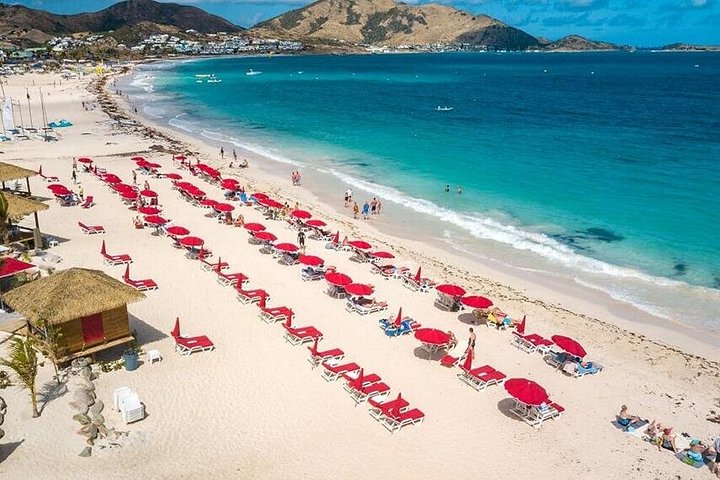
The Caribbean-facing western and southern beaches, such as Maho, Mullet Bay, Cupecoy and Great Bay, are usually the calmest, while the Atlantic-facing east, including Guana Bay and parts of Dawn Beach and Orient Bay, can bring surf and wind. Winter swells can make some beaches rough even in dry weather, so be ready to switch beaches. Orient Bay is partly sheltered by reefs and islands and is often a good bet for watersports, while the Atlantic side of Tintamarre and the open sea around Anguilla can be bumpy on windy days.
What to plan around
If you want to see the planes at Maho Beach, any time of year works, though winter has more international flights. If you want snorkeling and calm boat trips, aim for the dry season or the calm months of late spring. If you are watching your budget, summer and early autumn have the lowest hotel rates, with the trade-off of weather risk. If you are visiting on a cruise, expect crowds in the winter and quieter days in summer.
Practical advice
Pack lightweight clothes, a rain jacket for brief showers, sun protection, reef-safe sunscreen and a hat. Bring a passport for Anguilla and St. Barths and check entry rules before you travel. Book refundable or flexible rates if you are traveling in hurricane season, and keep an eye on forecasts in the days leading up to your trip.
Our pick
For the most reliable weather and the full range of activities, visit in the dry season and book early. For a balance of weather and value, aim for the shoulder months on either side of it. For the lowest prices and quietest beaches, travel in summer with flexible plans and good insurance.