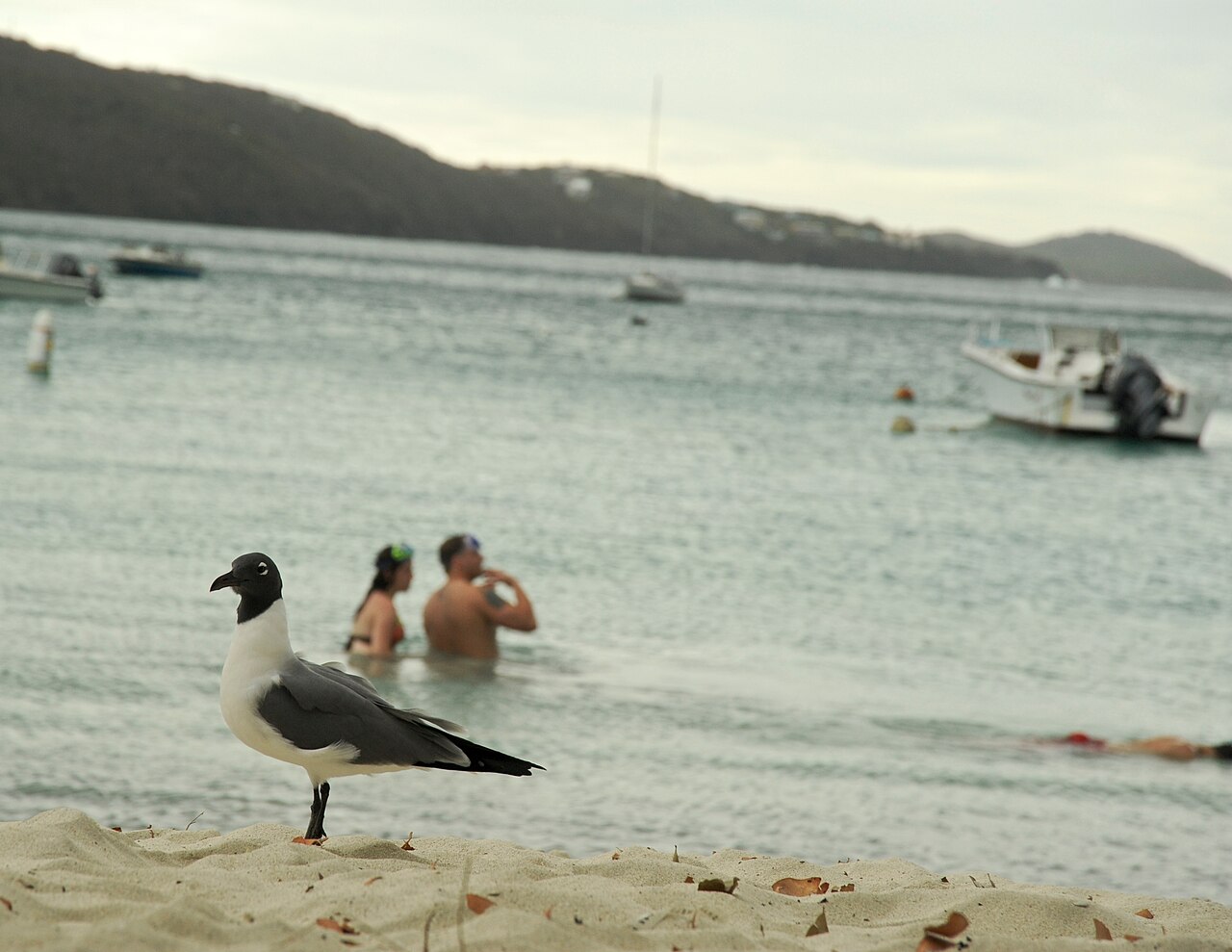
St. Thomas is warm all year, with daytime temperatures that stay in a narrow range and a sea that never gets cold. What changes through the year is rainfall, humidity, sea conditions, crowds and prices. Choosing the right season is the single biggest lever on your budget and your comfort, and understanding the pattern helps you decide when to travel and how flexible to be.
High season: mid-December to April
This is the classic Caribbean winter, with low humidity, steady trade winds, mostly sunny days and calm seas on the sheltered sides of the island. It is also when the island is busiest and most expensive. Hotels, villas and boat trips sell out early, especially around the holidays and school breaks, and cruise ships fill the harbor most days. If you want the best weather and do not mind paying more, this is the time to go. Book accommodation and key excursions, such as the St. John boat day and sunset sails, well in advance, and expect restaurants to be busy.
Shoulder seasons: late spring and early winter
The weeks around late April through early June and the early part of the winter season can offer a good balance. Crowds are thinner, rates ease and the weather is often still pleasant, with a gradual increase in heat and humidity. These are good windows for travelers who want decent conditions with less competition for beach space and tours. Check the calendar for holidays and events that might raise prices or fill hotels, and ask about shoulder-season specials.
Summer and early autumn: heat, humidity and hurricane season. From roughly June through November the Atlantic hurricane season is active, with the peak typically in late summer and early autumn. The risk of a direct hit in any given year is modest, but storms can disrupt travel, close attractions and cancel boat trips. Humidity and heat are higher, showers are more frequent and the sea can be flatter and warmer, which some snorkelers enjoy. Prices are lower, beaches are quieter and the island feels more local. The trade-off is that some restaurants, shops and small operators reduce hours or close for maintenance, particularly in the autumn, so check what will be open. If you travel in this period, buy travel insurance that covers weather disruptions and keep your itinerary flexible.
Sea conditions and snorkeling
Winter swells from the north can affect north-facing beaches such as Magens Bay and Coki, making the water choppier and sometimes reducing visibility, while the south and sheltered bays stay calm. In summer the swells subside and the north shore is often flat and clear. Good guides will steer you to the best spots for the day's conditions, so listen to them. Turtles are present year-round, and calm days in any season produce the best underwater visibility.
Crowds and cruise days
Cruise ships visit throughout the year, with the heaviest traffic in the winter months. On days when several large ships are in port, Charlotte Amalie's shops, popular beaches and viewpoints fill up, especially in late morning. Plan busy attractions for early morning or late afternoon, or choose less accessible activities like kayaking and sunset sails. On days with fewer ships, the island feels more relaxed. Ask your hotel or tour operator which days are busiest.
What to pack and how to plan
Whatever the season, pack light clothing, a hat, reef-safe sunscreen, a rain jacket or poncho for sudden showers and sturdy water shoes. Evenings can feel cool on the water in winter, so bring a light layer. If you are traveling in a more variable season, leave a buffer day in your schedule for weather and book refundable options where possible. For most first-time visitors, the combination of reliable sun and a rich choice of activities makes the winter season the safe pick, while flexible, budget-conscious travelers can enjoy the island at a lower price in the shoulder months. In every season, early mornings are the best time for beaches and snorkeling, and late afternoons are the best time for sails and sunset views. If you are unsure, a simple rule works: pick the winter months for certainty and the shoulder months for value, and avoid the peak of hurricane season unless you value low prices over reliability.