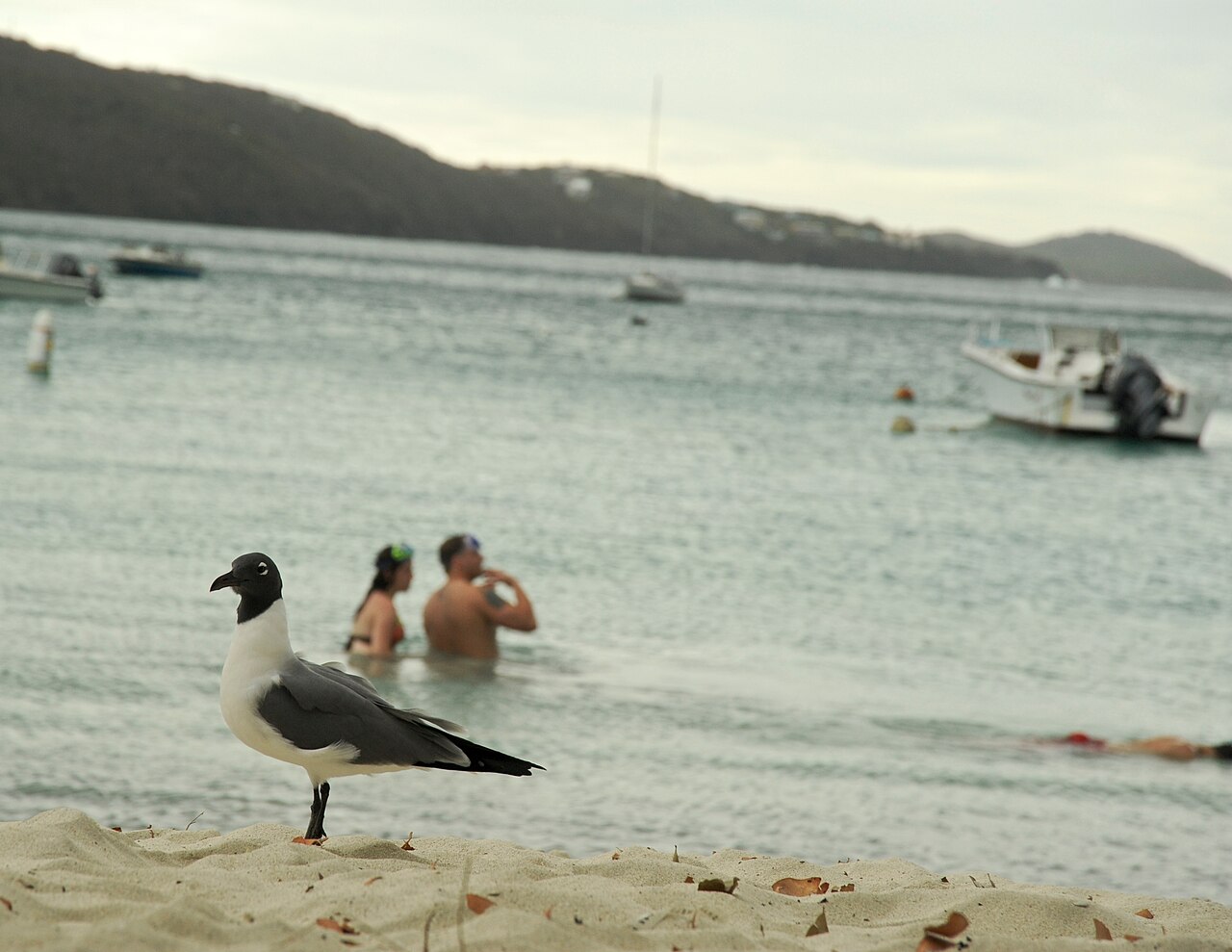
St. Thomas has beaches for every mood, from long and calm to short and lively, and most of them are free or cheap to enjoy. The island's snorkeling is among the most accessible in the Caribbean, with turtles, rays and reef fish found close to shore at a number of spots. This guide sorts the main options so you can match the beach to the day, and offers practical tips for gear, safety and respectful snorkeling.
Magens Bay: the classic
Magens Bay is the island's signature beach, a nearly closed horseshoe on the north side with a mile of soft sand and shallow, calm water. A small entry fee covers lifeguards, changing rooms and upkeep. It is the best choice for families and anyone who wants a gentle swim, and it is also a good place for paddleboarding and kayaking. For quieter moments, go early in the day or late in the afternoon. Snorkeling is possible near the rocks at the edges, but the beach is better known for swimming.
Coki Beach: easy shore snorkeling and a lively scene
Coki Point is the island's snorkeling beach, with fish near the sand and a casual, bustling atmosphere. It sits next to Coral World, so it combines well with a family visit. The water can be busy and conditions vary with swell, so go in the morning, bring water shoes and keep an eye out for sea urchins on the rocks. A guided tour can help beginners.
Morningstar and Lindbergh: south-shore convenience
Morningstar Beach, below the cliff-top resort, is a popular, easy beach with calm water, beach bars and sunset views, and it is close to town. Lindbergh Bay, near the airport, is a long, sheltered stretch that is handy for a swim before or after a flight. These beaches are not remote, but they are practical and pleasant, with facilities close at hand.
Sapphire, Secret Harbour and the east end
On the east end, beaches such as Sapphire Bay and Secret Harbour offer calm water and views of neighboring islands, with resorts and watersports operators nearby. They are good for paddling and gentle snorkeling, and they are convenient if you are staying in the area. Some have rocky edges where fish gather, so check conditions and ask staff for the best spots.
Water Island: Honeymoon Beach
A short boat ride across the harbor, Honeymoon Beach on Water Island is a pale, calm beach with a bar and rentals, far more relaxed than the main island's beaches. Reaching it by ferry or a playful cycleboat trip makes the visit feel like an escape. It is a good choice for a quiet day.
Boat-only snorkeling: Buck Island, St. John and the cays
The best turtle and reef snorkeling often requires a boat. Catamaran and powerboat trips visit Buck Island, the protected bays of Virgin Islands National Park on St. John and the cays between the islands, where seagrass beds and reefs attract green turtles, rays and schools of fish. These trips supply gear, a guide and a safety briefing, and they suit beginners as well as experienced snorkelers. They are also the best way to see the islands' scenery from the water.
Gear and safety
Snorkel gear is easy to rent, but a well-fitted mask makes a big difference. Test it before you enter deeper water, and use a flotation vest if you are not a confident swimmer. A rash guard protects against sun and light stings, and reef-safe sunscreen protects the coral. Check the conditions, avoid swimming alone and watch for boat traffic. Do not touch coral, chase turtles or stand on the reef, and keep a respectful distance from wildlife.
Reef etiquette
The reefs here have faced hurricanes, warming seas and coastal development, and they depend on visitors to behave carefully. Use mineral-based sunscreen, avoid feeding fish, take nothing from the sea and follow your guide's instructions. Choose operators that use mooring buoys instead of anchoring on the reef. If you see litter, pick it up. Small actions help keep the water clear for everyone, and the reward is time with some of the Caribbean's most charming marine life. Finally, remember that the best beach is often the one that matches the day's wind and your mood. Keep a second option in mind, check conditions with your hotel, and be ready to switch coasts if the swell is up on one side.