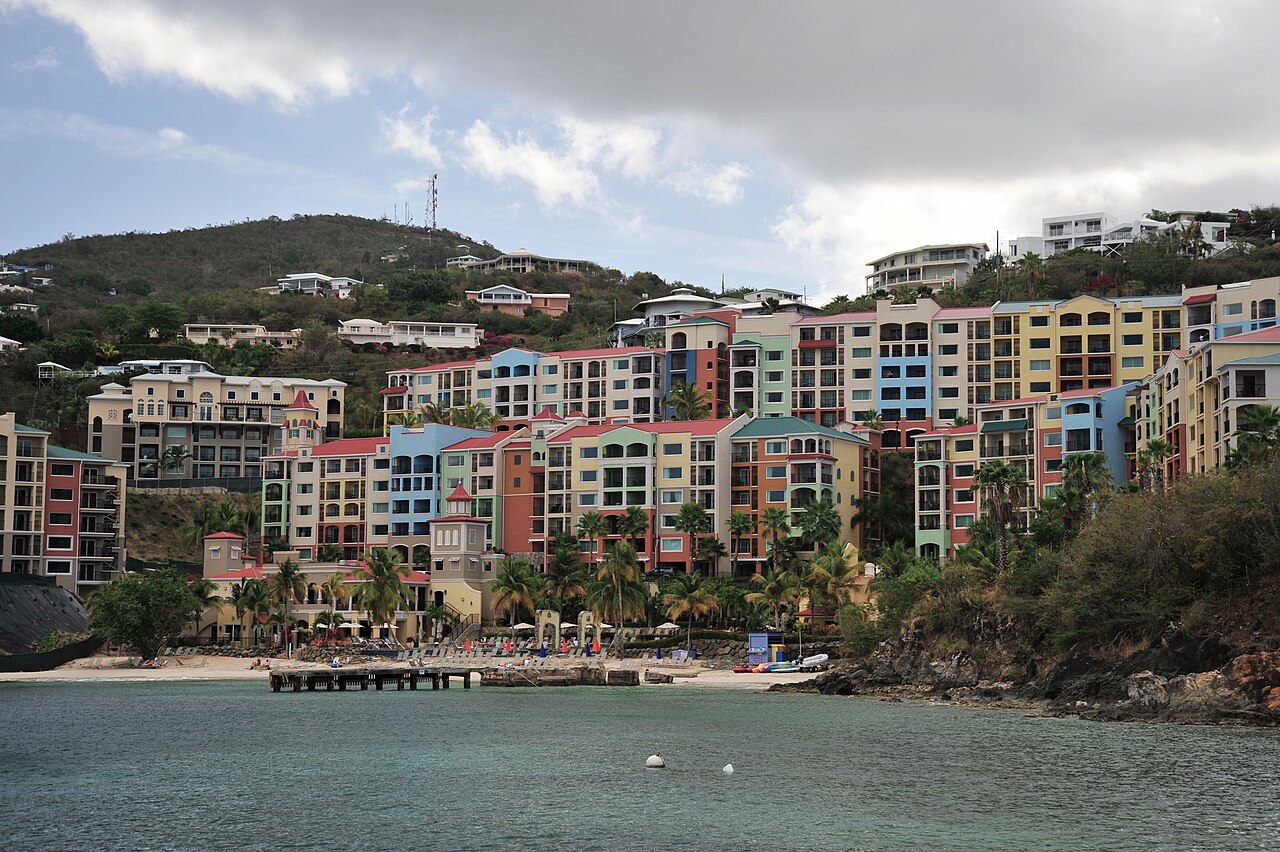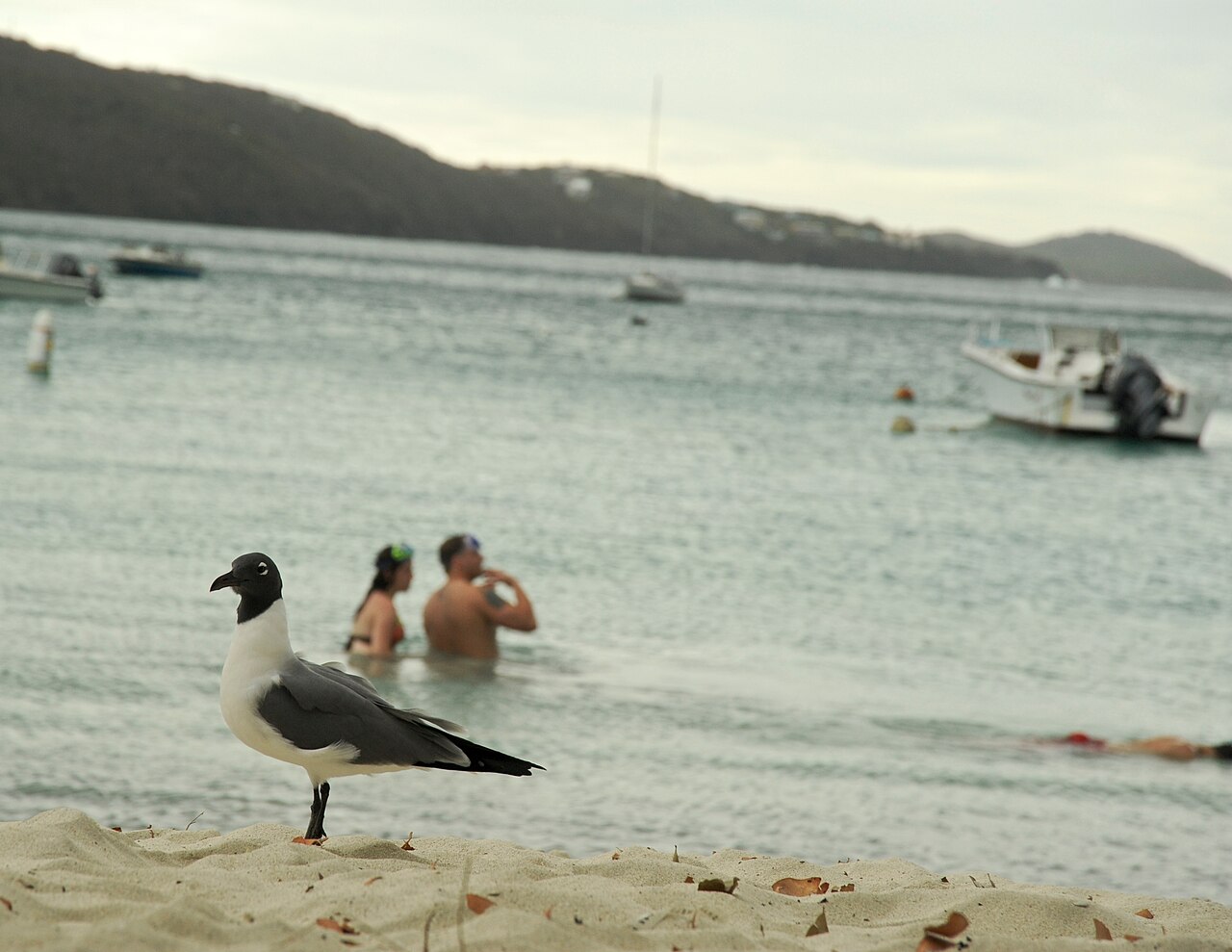
One of the best things about St. Thomas is its neighbors. St. John, the national park island, is a short crossing away, and Water Island sits just across the harbor. Both are easy to reach and offer a very different pace from the main island, which makes island hopping a highlight of many trips. This guide explains the options, how to choose between them and how to plan a smooth day.
St. John: the national park island
Roughly two-thirds of St. John is protected as Virgin Islands National Park, so the island has hiking trails, historic ruins, quiet beaches and some of the best snorkeling in the Caribbean. Cruz Bay, the main village, is a small, colorful harbor town with shops, bars and restaurants. Trunk Bay and other north-shore beaches are the stars, and the park offers trails to old plantation ruins and viewpoints. It is worth a full day, and some visitors stay overnight.
Ferry or boat tour?
There are two main ways to go. Public ferries run from Red Hook on the east end to Cruz Bay in about twenty minutes, and from the Charlotte Amalie waterfront in about forty-five minutes, at modest fares and frequent times. This is the budget choice and gives you freedom to explore on your own, using taxis on St. John. Guided boat tours cost more but include the crossing, equipment, snorkeling stops and often a beach break, and they take you to places the ferry does not reach. For a first visit with limited time, a boat tour is the easiest option, while independent travelers who like to hike and wander may prefer the ferry.
Choosing a boat tour
Look for a trip that matches your interests. Snorkel-focused sails stop at reefs and seagrass beds for turtles, while national park outings aim for the protected bays. A playful option stops at a floating taco bar for lunch in the water, and a sunset sail focuses on atmosphere. Check the group size, what is included, where it departs and how long you will have in Cruz Bay. Smaller boats offer a more personal experience, while larger catamarans are social and stable.
Planning your day on St. John
If you go independently, take an early ferry, then choose one or two goals: a beach and snorkel at Trunk Bay, a short hike to historic ruins, or a loop of the north shore by taxi. Carry water, snacks, sunscreen and cash, and check the return ferry schedule so that you do not miss the last boat. Park fees apply at some beaches. Taxis are the main way to get around the island, and open-air vehicles carry groups at fixed rates. If you rent a jeep, remember that roads are steep, narrow and driven on the left.
Water Island: the quiet fourth island
Water Island is the smallest of the main U.S. Virgin Islands and the easiest to reach. A short ferry or a cycleboat tour from the harbor lands you at Honeymoon Beach, a calm, sandy bay with a beach bar and rentals. There are no major resorts, and the island is a favorite of locals and boaters. It is a good half-day trip and pairs well with lunch in town afterward.
What about the British Virgin Islands?
The BVI are a separate destination with their own immigration rules, and many boat charters from St. Thomas offer day trips there. Because they involve passports, customs and longer travel times, they deserve their own planning. If you want to include them, check the entry requirements and choose a licensed operator, and consider dedicating a separate day rather than squeezing them into a St. Thomas itinerary.
Practical tips
Carry a government photo ID for ferry and boat trips, and bring a passport if your route crosses into foreign waters. Pack a dry bag, reef-safe sunscreen, a towel, a hat and water shoes. If you are prone to seasickness, take a remedy before the crossing. The channel can be choppy in windy weather, and mornings are generally calmer. Build in time for delays, and do not plan a tight connection with a flight or cruise sailing on the same day. A relaxed approach, a good guide or a well-timed ferry, and a willingness to linger at a beach make island hopping the highlight of a St. Thomas trip.