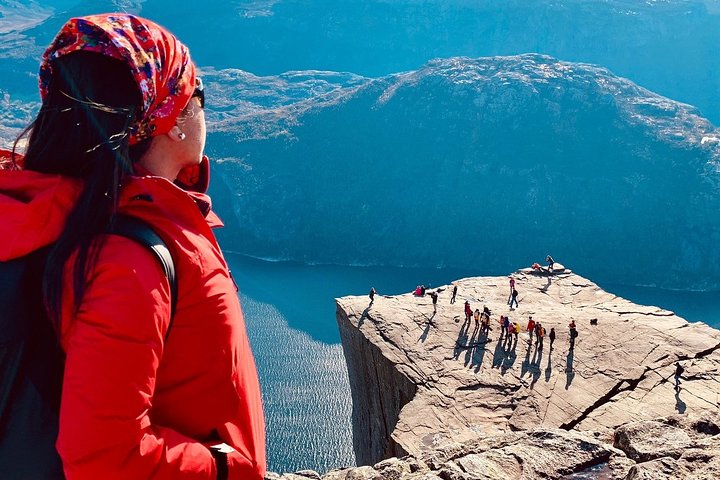
Stavanger has a mild, wet coastal climate shaped by the Gulf Stream, which keeps winters gentler than the latitude suggests and summers cool and comfortable. Rain is possible in any month, so the best time to visit depends less on avoiding wet weather than on choosing what you want to do and how much daylight you need.
Summer
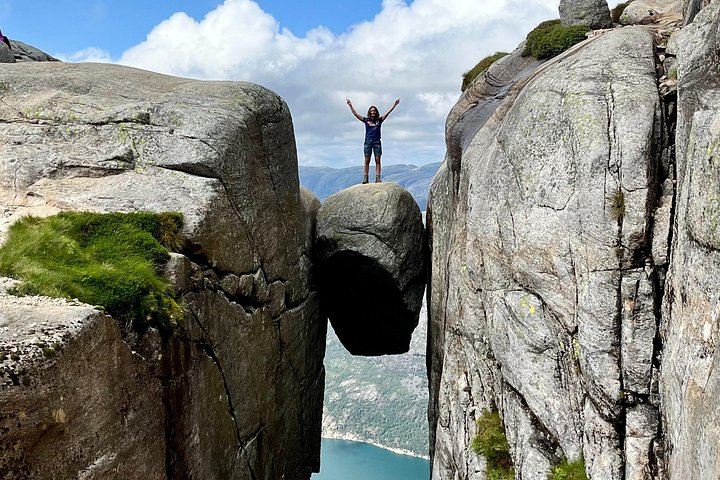
June, July and August are the high season. Days are long, with light lasting late into the evening, trails are open and every boat tour runs on a full schedule. It is the best time for Preikestolen, Kjerag and the Flørli staircase, and for beaches on the Jæren coast. It is also the busiest and most expensive period, so book hotels and popular tours early and start hikes early.
Late spring
May and early June are a rewarding window. Waterfalls are full from snowmelt, the landscape is fresh and green, and crowds are smaller. Snow can linger on higher trails, especially for Kjerag, so ask your operator about conditions. Evenings are already long, and prices are generally lower than in midsummer.
Early autumn
September and early October offer crisp air, colour on the slopes and quieter trails. Fjord cruises still run, and sunrise and sunset happen at civilised hours for photography. The weather is more changeable, with more rain and wind, and some seasonal operations begin to reduce their schedules.
Winter
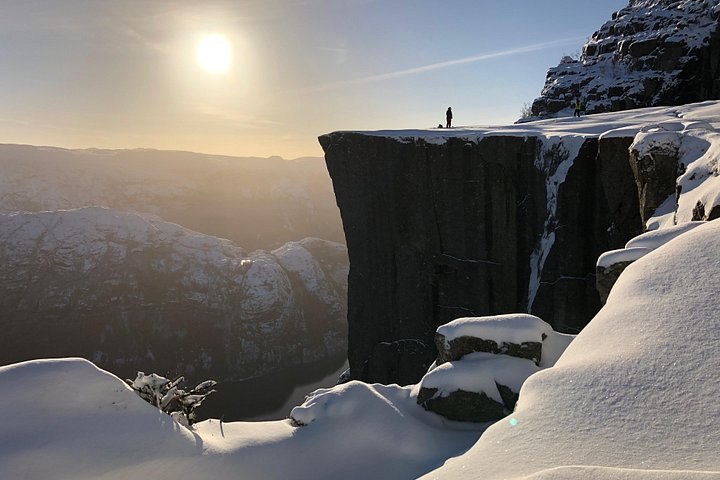
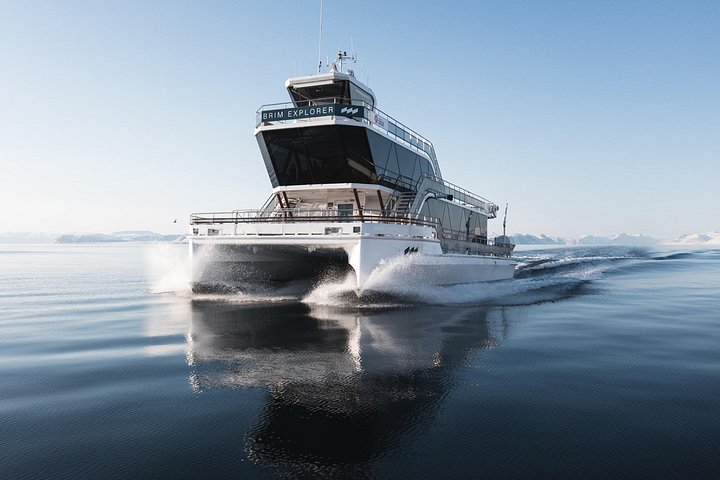
From November to March, days are short and the weather is often wet, but the fjord is quiet and atmospheric. Preikestolen can be hiked with a guide in snow, and some hybrid cruises run year-round. Expect limited daylight, icy trails and cancellations when conditions turn. Winter suits people who like moody scenery, museums, cosy cafes and low prices, and it is a poor choice for those who need long days of outdoor activity.
Light
In midsummer the sun sets very late and the sky stays bright, so blackout curtains are valuable. In midwinter you may have only around six hours of daylight, so plan outdoor activities for the middle of the day. Spring and autumn offer a balance of light and mood.
Events and crowds
The city hosts festivals through the year, including street art, music and food events. Cruise ships visit in summer and can add crowds in the old town on some days. Check the calendar when you plan, because events can affect hotel prices as well as atmosphere.
Choosing your season
For hiking and fjords, choose late May to mid-September. For fewer people and strong waterfalls, aim for late spring. For photographers, early autumn and winter offer drama. Whatever the season, pack layers, waterproofs and flexible plans, and treat bad weather as part of the experience rather than a failure of the trip.
What to pack by season
In summer bring a light waterproof jacket, a sweater for evenings and sun protection, because the light is strong. In spring and autumn add a warmer mid-layer, a hat and gloves, and waterproof shoes. In winter bring insulated boots, thermal layers, a windproof shell and traction aids for icy paths. Pack a small daypack in every season, as the weather can change between the harbour and the hills in a single afternoon, and a compact umbrella is useful in the city streets.
A word on rain
Stavanger is wet, but the rain is often short and followed by bright spells. Locals shrug and keep going, wearing good jackets rather than cancelling plans. For visitors, that means having an indoor option ready, such as the Petroleum Museum, a cafe or a cooking session, and keeping a spare day for the big outdoor trips. A flexible mindset is the single most useful item to bring.
Month-by-month shortcut
If you want a simple rule, choose June to August for guaranteed access and long days, May and September for balance, and the rest of the year for solitude and low prices. Coastal weather can change quickly in any season, so avoid tight schedules. If a bucket-list hike is the goal, plan an extra night as a buffer, and book refundable options where possible so that a poor forecast does not ruin the trip. Remember that booking windows matter as much as the season itself, because the best weeks for hiking are also the weeks when rooms and boat seats sell out first.