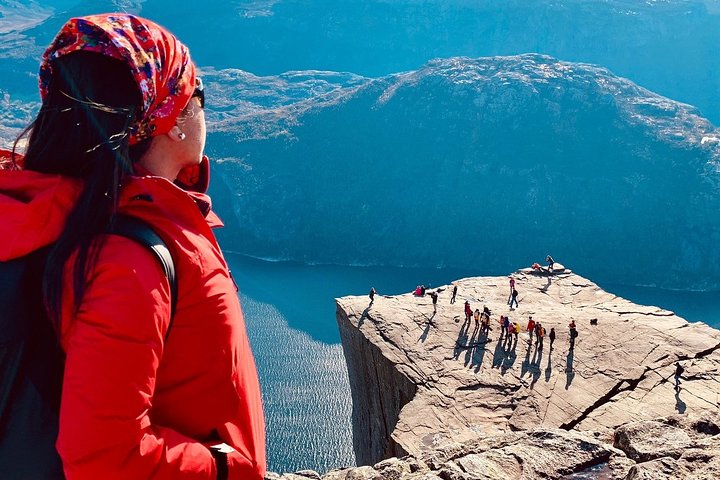
Stavanger is a small city with a very large backyard. The old town, harbour and museums can be seen in a day, but the reason most visitors come is the landscape around the city: Lysefjord, the Pulpit Rock plateau and the long stone cliffs of Ryfylke. Three days is a comfortable amount of time to see the highlights, allow for weather and still have an evening or two to enjoy the waterfront. This plan puts the weather-sensitive outdoor days first and leaves the city sights for the day you may need to adjust.
Before you arrive
Weather decides everything in western Norway, so book the key outdoor trips with flexible cancellation if you can, and keep a spare half day in your schedule. Pack waterproof layers, hiking shoes with real grip, a warm mid-layer and a hat even in summer. Prices are high by international standards, so a bakery lunch and a supermarket snack bag are normal practice for hikers and sightseers alike. Reserve the Preikestolen hike or a guided departure early in July and August, when spaces fill.
Day one: Preikestolen
Treat the hike to Pulpit Rock as your main event and do it on the first clear day. A guided departure handles the ferry and road connections from Stavanger, and a sunrise departure in summer gets you onto the plateau before the crowds. The trail is about eight kilometres return and takes most people four to five hours, with a steep first half. Bring water, lunch and a rain layer, keep well back from the unfenced edge, and plan a quiet evening. If the cloud is low, swap this day with day two.
Day two: Lysefjord by boat
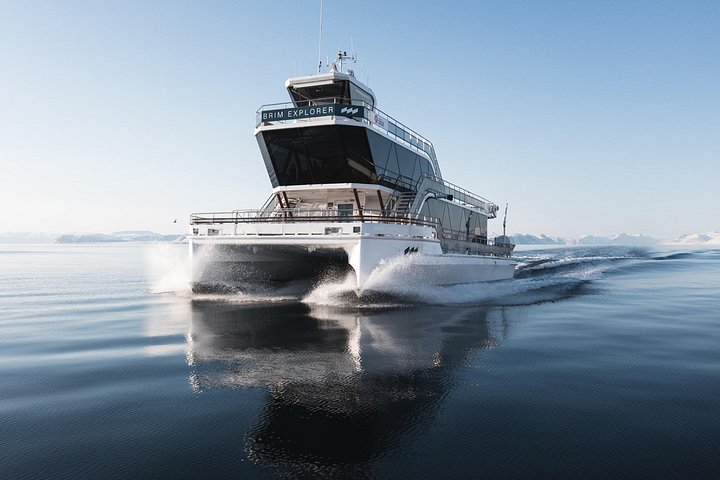
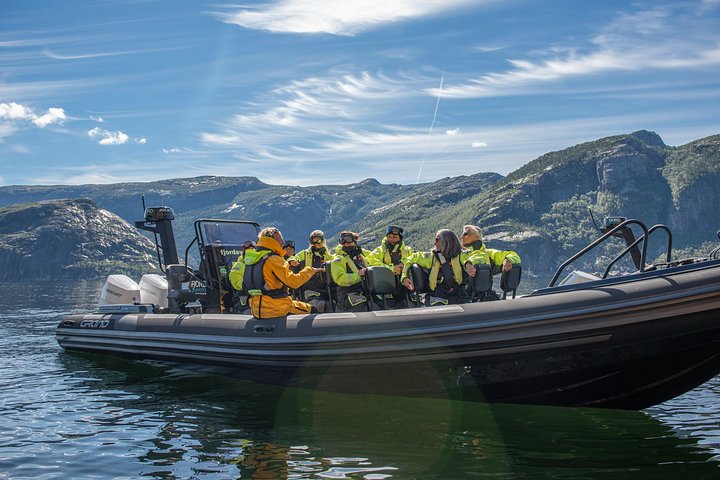
See the same cliffs from below. A relaxed hybrid or electric cruise suits families and anyone who wants a gentle day, while a RIB safari adds speed and spray for teenagers and thrill-seekers. Both pass beneath Preikestolen, visit waterfalls and show you the farms and goat ledges of the fjord walls. Most trips last about three hours, which leaves time in the afternoon for a walk along the harbour and a first look at the old town streets. If you are fit and want another hike, the Kjerag trail or the Flørli staircase can replace the boat, but they are full-day commitments.
Day three: the city
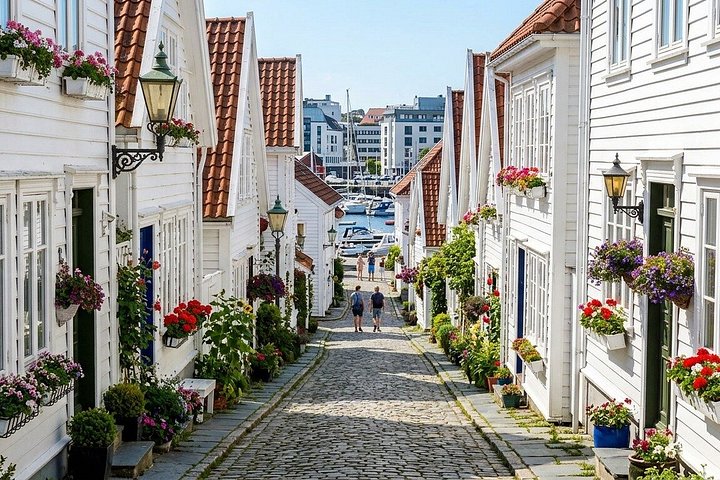
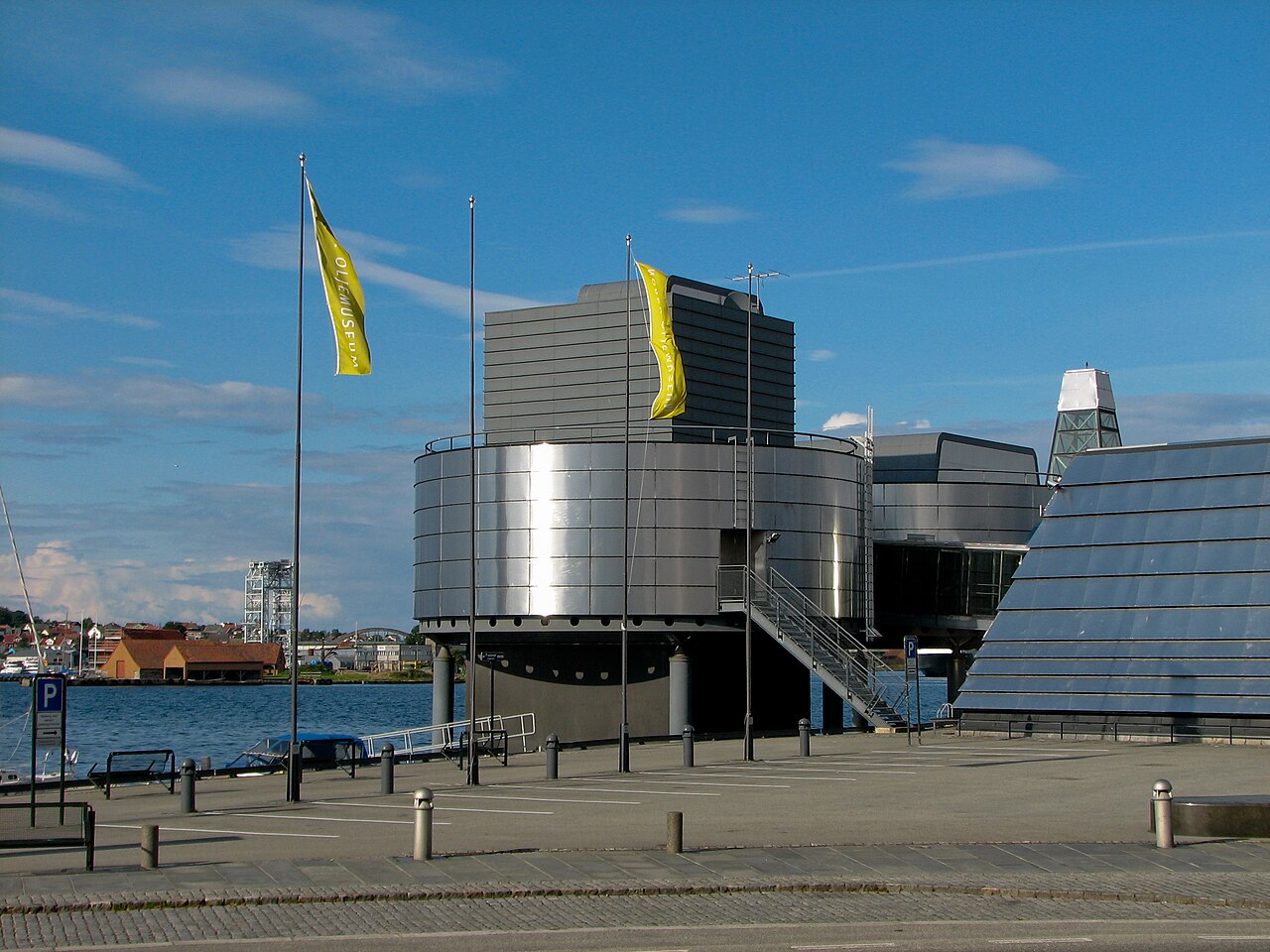
Start in Gamle Stavanger, the old town of around 170 white wooden houses, ideally on a guided walk that explains the canning past and the oil era. Visit the cathedral, one of the oldest in Norway, then spend two or three hours in the Norwegian Petroleum Museum, which is a strong choice if it rains. Take in the street art on the way, and finish with a waterfront dinner. If you still have energy, the Swords in Rock at Hafrsfjord are a short bus ride away and are best in evening light.
Rhythm and rest
The days are long in summer and very short in winter, so plan around daylight. In midsummer you can start late and finish after nine in the evening; in winter you must be back from hikes before dark. Build in a long lunch on the harbour at least once. Stavanger rewards slow evenings, with its cafes, bars and views over the water.
Getting around
The centre is walkable. Buses reach the Swords in Rock and the airport, and ferries and tour transfers handle the fjord trips. A car is not needed for a three-day stay if you use guided trips, though it gives flexibility for beaches on the Jæren coast. Check parking before you rent.
If you have less time
With two days, choose either the Preikestolen hike or a fjord cruise, then spend the second day on the old town and the Petroleum Museum. With four days, add Kjerag or the Jæren coast, and spread the city sights out. Whatever you choose, leave an hour free each day to wander, because the best details in a small city are usually unplanned.
A sample day by the clock
On the city day, aim to be at the old town by nine, when the lanes are quiet and the light is soft on the white walls. Walk for two hours, take coffee, then cross to the cathedral and the central lake. Spend late morning and lunch in the Petroleum Museum and its cafe, then use the afternoon for the street art or a bus to the Swords in Rock. Dinner on the harbour finishes the day without a rush, and in summer you will still have light for a long evening stroll along the quays.