Stavanger has a food scene that punches well above its size. The city grew rich on fishing and canning, then on oil, and both traditions left it with good ingredients, adventurous chefs and a population used to eating out. It is also one of the more expensive cities in Norway, so a little planning goes a long way.
Seafood first
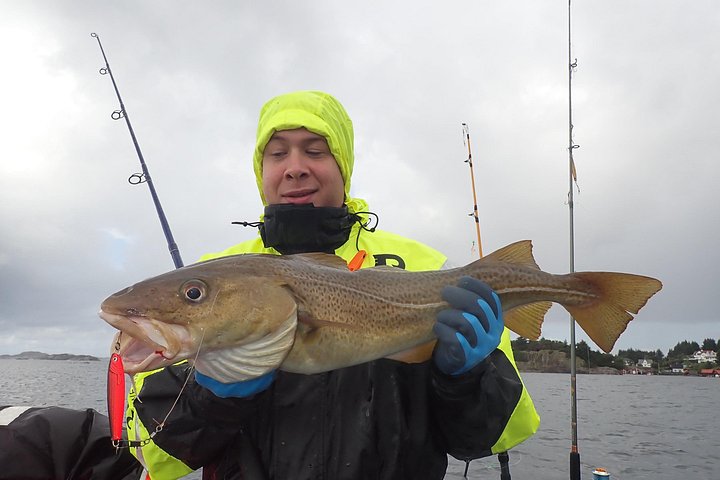
Cold-water fish and shellfish are the headline: cod, salmon, halibut, mussels, langoustines and the sweet small prawns that Norwegians eat by the bag on a summer quay. Look for restaurants on and near the harbour, where menus change with the catch, and try fish soup or a simple grilled fillet with potatoes and butter. If you want to learn how to cook it, a fishing and cooking trip puts the ingredient and the technique together.
Local and traditional
Norwegian west coast cooking uses lamb, dairy, root vegetables, berries and flatbreads. Look for dishes with local lamb, brown cheese on waffles and cloudberry desserts. Many menus carry a short list of traditional dishes alongside modern cooking. A day trip that includes local food is an easy way to try several things without booking multiple restaurants.
Cafes and bakeries
Coffee culture is serious in Norway. Stavanger has a good scattering of independent roasters and cafes, particularly around the old town and the lanes near the harbour, and a cinnamon bun with a flat white is the classic mid-morning stop. Bakeries are also the cheapest way to eat lunch, with open sandwiches, filled rolls and pastries at modest prices.
Colourful streets
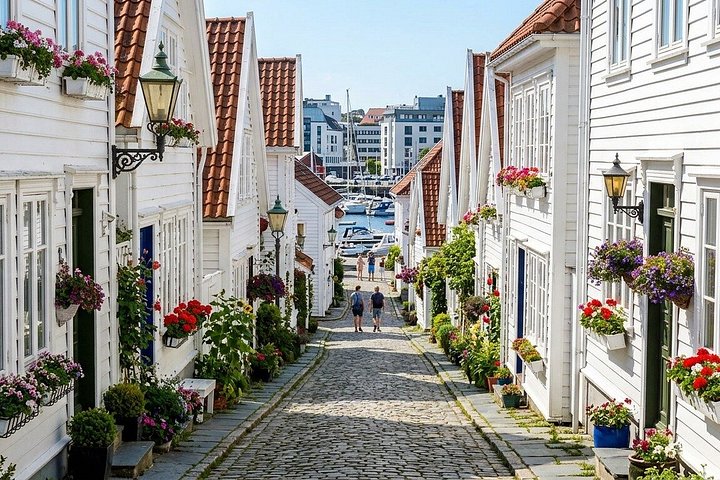
Øvre Holmegate, the street painted in bright colours, is full of cafes, bars and small restaurants, and it is a lively place for an evening drink. The old town has quieter options, with cosy rooms in wooden houses. For a more local scene, wander the streets behind the harbour and look for places where menus are mainly in Norwegian.
Drinks
Norway has high alcohol prices and strict rules about sales in shops, with wine and spirits sold at state-run stores and beer in supermarkets at limited hours. Many bars have happy hours, and craft beer has become popular, so ask for local brews. Tap water is excellent and free, so carry a bottle on hikes.
Saving money
Lunch is cheaper than dinner in many restaurants, so make the main meal at midday. Supermarkets sell sandwiches, fruit and ready meals for picnic lunches, and self-catering in an apartment can make a stay far cheaper. Tipping is not expected in the same way as in some countries, though rounding up for good service is common.
Practical tips
Book popular restaurants for weekend evenings and in July and August. Tell restaurants about allergies, as Norwegian kitchens are used to dietary requests. Opening hours may be shorter in winter, and some places close on Sundays or Mondays. On hikes, bring your own food, since trails and trailheads have little or nothing to buy.
A food day plan
Start with a bakery breakfast or your hotel buffet, then take a morning walk through the old town and stop at an independent cafe. Have a modest lunch from a bakery or a fish counter, and save your appetite for dinner on the harbour, where you can try the catch of the day. If you are on a fjord tour, bring a flask of coffee and a snack, because boat cafes charge restaurant prices. Finish with a drink on the colourful street and a slow walk back along the water.
Fish and seasons
Seasonal produce changes the menu. Spring and early summer bring light, fresh flavours and wild herbs, summer is for shellfish and berries, autumn brings game and mushrooms, and winter favours hearty fish stews, dried and salted cod and warming soups. If you have a favourite ingredient, ask the waiter what is best that week, and let the restaurant suggest the drink to go with it.
Market and picnic ideas
The central market square and nearby food shops are good for fruit, cheese, bread and smoked fish, and a picnic on the lakeside or the harbour steps is a cheap and pleasant meal. In summer, small kiosks sell ice cream and waffles. On a fjord trip, pack a lunch you can eat on deck, and keep a bag for rubbish. Local food festivals appear through the year, so check the calendar if you want a lively tasting scene.