French Polynesia sits in the tropics, so there is no true winter, but the islands do have two clear seasons that shape the trip. The best time to visit depends on what matters most to you: dry weather and clear skies, whale watching, lower prices or fewer people. This guide explains how the seasons work across Tahiti, Moorea and Bora Bora and how to choose your dates.
The dry season, roughly May to October
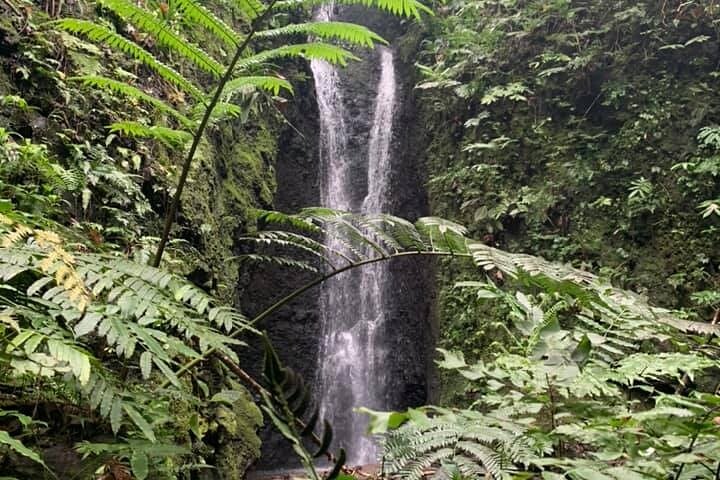
This is the most popular time and the most reliable for first-time visitors. Rain is less frequent, humidity drops a little, the trade winds keep the air fresher and the lagoons are at their clearest. Daytime temperatures are warm rather than oppressive, and evenings can feel pleasantly cool, especially from June to August. Days are slightly shorter, with the sun setting earlier, which suits sunset cruises and early starts. It is the best period for the Bora Bora lagoon cruise, the 4WD tour to the Belvedere lookout and a hike to the Afareaitu waterfall, because paths are firmer and views are sharper.
The wet season, roughly November to April
The islands are hotter and more humid, with more frequent showers and the occasional heavy downpour or windy spell. Showers often pass quickly, followed by bright sun, and the lagoon stays swimmable, so the season is far from a washout. The upsides are lower hotel rates at many properties, fewer visitors on the water and lusher scenery, with waterfalls running fuller. The downsides are less predictable weather, a higher chance of a cancelled boat trip or flight, and stickier heat. It is the cyclone season in the wider region, though serious storms are uncommon, so check forecasts and consider flexible bookings and travel insurance if you travel then.
Whale season, roughly July to November
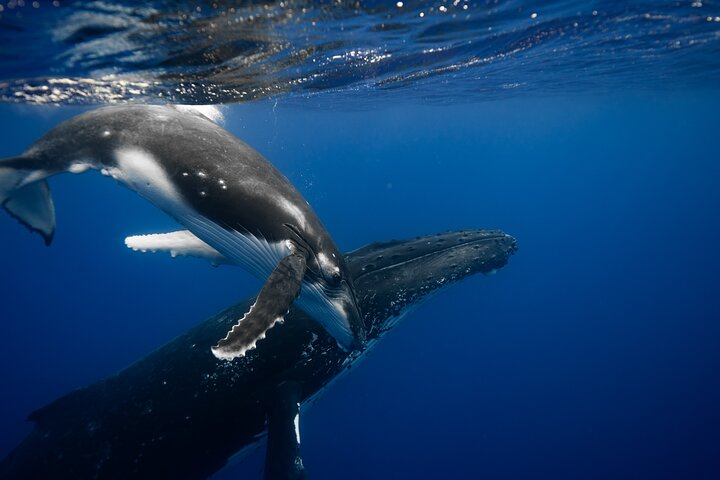
Humpback whales visit the waters around Moorea and Tahiti in these months, and small-group whale watching from Moorea is one of the season's highlights. If seeing whales is a priority, aim for August or September, when sightings are usually strongest. Outside these months the whale trips do not run, so do not count on them in the wetter half of the year.
Peak periods and crowds
July and August are the busiest months, driven by northern hemisphere holidays and local events, and rates for the best overwater bungalows rise accordingly. The Heiva festival of dance, music and traditional sport takes place around July in Papeete, and it is a highlight if your dates allow, though accommodation tightens. Honeymoon travel also clusters around the year-end holidays and school breaks. Book flights, ferries and overwater categories well ahead for those periods, and consider the shoulder months for better availability.
The shoulder months, May, June, September and October
Many travelers regard these as the sweet spot, with dry weather, good visibility, calmer crowds and more flexible rates. September and October combine whale season with fewer visitors, while May and early June offer comfortable temperatures just before the July rush. If you have flexibility, this is where to aim.
Choosing by island and activity
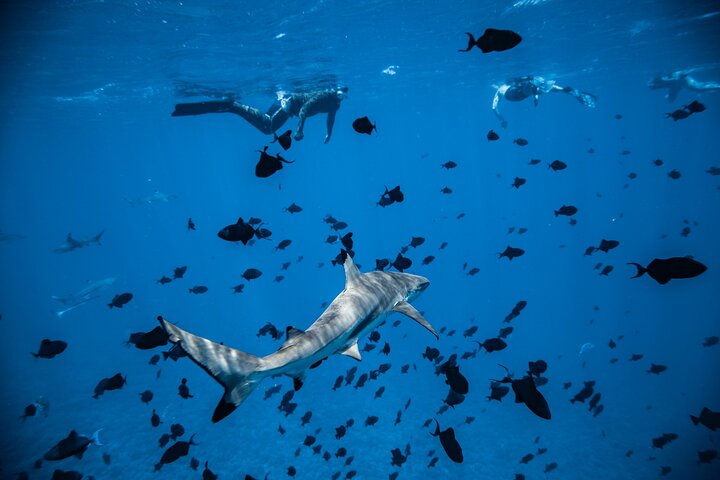
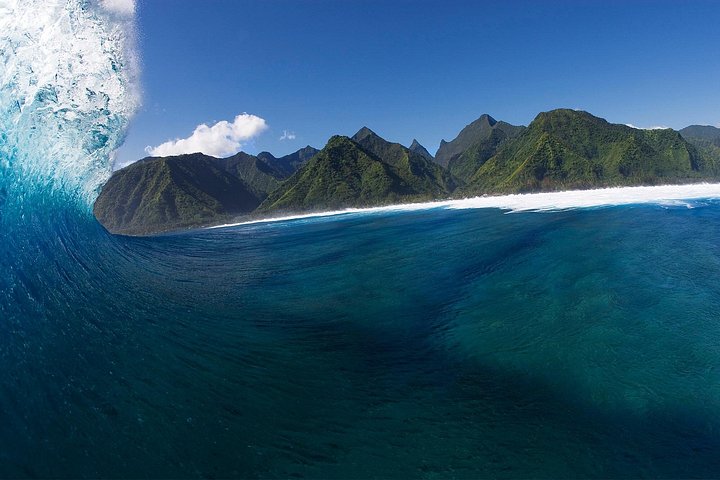
Bora Bora is a lagoon destination, so the clear water of the dry season matters most there, particularly for the shark and ray snorkel cruise and a scenic flight. Moorea rewards both seasons, with whale watching in the drier months and fuller waterfalls and greener hills in the wet season. Tahiti has surf, and Teahupo'o is at its biggest in the southern winter months, roughly May to August, so surf watchers should plan around that. Papeete Market is lively year-round.
Planning around your priorities
If your trip is a honeymoon, favor the dry season or the shoulder months for the best chance of sunny sunsets and calm water. If you are traveling with children, the cooler, drier months make long boat days easier, while the wetter season suits a quieter, slower pace with more time at the resort pool. Budget travelers can look at the wetter months for lower rates, as long as they keep plans flexible. If you work around surf, hiking or a specific festival, let that anchor the trip and fit the rest around it.
Packing and planning tips
Whatever the month, bring reef-safe sunscreen, a rash shirt, a light rain jacket and quick-drying clothes. Build a buffer day into your itinerary so a weather delay does not wreck a flight connection, and book the weather-sensitive activities early in each island stay. Check the current forecast and sea conditions before boat trips, and be flexible about the order of your plans. With sensible timing, any month can work, and the best time is the one that matches your priorities.