Food in French Polynesia blends Polynesian, French and Chinese traditions, and it is built around fish, coconut, root vegetables and tropical fruit. Eating here can be expensive because most ingredients, drinks and supplies are shipped in, but a handful of local habits make it possible to eat very well without overspending. This guide covers the dishes to try, the best places to find them and practical tips across the three islands.
The dishes to try first
The national dish is poisson cru, raw tuna marinated in lime juice and mixed with coconut milk, cucumber, tomato and onion. It is fresh, light and available everywhere from market stalls to resort restaurants. Look also for grilled mahi-mahi and other reef and ocean fish, often served with rice or breadfruit, and for pua'a roti, crispy roast pork that is a market favorite. Firi firi, the Tahitian doughnut, is a sweet, chewy breakfast snack, and po'e, a pudding made from fruit and starch with coconut cream, is a traditional dessert. Chinese dishes are woven into everyday eating, so chow mein and other noodle plates appear on many menus. If you are adventurous, you may hear about fafaru, a pungent fermented fish dish, which is a local specialty but an acquired taste.
The earth oven
The traditional feast is the ahima'a, in which food such as pork, fish, taro, breadfruit and bananas is wrapped in leaves and cooked slowly over hot stones in a pit. Several hotels and cultural venues offer ahima'a lunches or dinners, often with music and dance, and some Bora Bora and Moorea tours include a motu lunch that features local dishes cooked outdoors. It is a good way to taste traditional cooking and to learn about it from the people who prepare it.
Papeete: market and roulottes
In Tahiti, start at the Papeete Market, where stalls sell fresh fish, fruit, flowers and food, and where an early breakfast of fresh fruit, a doughnut and coffee is a classic ritual. Sunday morning is liveliest, so go early. In the evening, head to the waterfront, where the roulottes, or food trucks, set up and serve everything from steak frites to Chinese noodles, crepes and poisson cru at moderate prices. They are the most affordable and social dinner option in Papeete, with plastic tables and a lively crowd. Pair a market morning with a visit to the Musee de Tahiti et des Iles and a seaside lunch for a food-and-culture day.
Moorea: pineapples and views
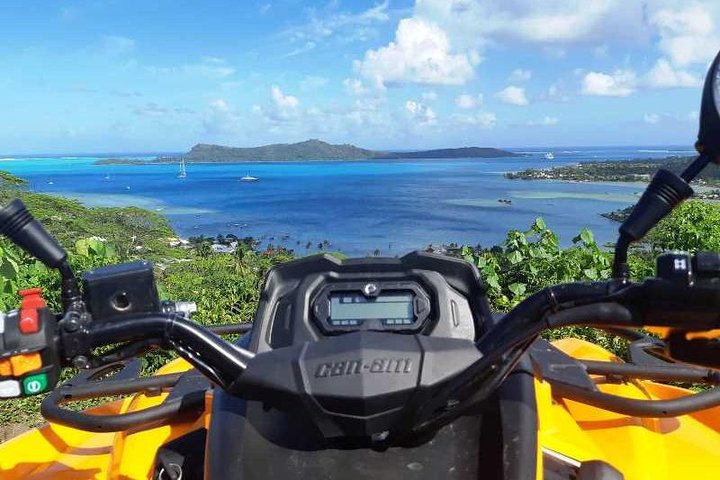
Moorea is known for its pineapples, which are sweet and low in acidity, and you will find fresh juice, jams and local products on sale. A 4WD tour usually passes the fields, and a stop at a roadside stand is a treat. Restaurants cluster around Cook's Bay and Maharepa, with a mix of French bistros, seafood places and casual snack bars, and several resorts have overwater dining rooms where you eat over the lagoon. Reservations are wise for dinner in high season, since the island is small and good tables fill up.
Bora Bora: resort dining and local alternatives
Many visitors eat mostly at their resort, which makes costs high, so consider staying on the main island near Matira and walking to local restaurants and snack stands. Fresh fish, grilled lobster in season and simple burgers appear on many menus, and a sunset dinner at a lagoon-side restaurant is a highlight. Some excursions include lunch on a motu with grilled fish and fruit, which is often the best meal of the trip. A sunset cruise is another way to enjoy a drink and a snack on the water.
Drinks
The local beer is Hinano, which is light, cold and found everywhere, and rum, wine and cocktails are widely available. Fresh coconut water, tropical fruit juices and vanilla-flavored drinks are other local choices. Ask your hotel about drinking water, as resorts often provide bottled or filtered water. Alcohol is expensive in restaurants, so consider buying a bottle at a supermarket for your room if your accommodation permits.
Saving money and eating well
Eat the big meal at lunch, when menus are cheaper, and choose roulottes and markets for dinner. Stay in a hotel with breakfast included or a kitchenette, shop at supermarkets for fruit and snacks and share dishes, since portions can be generous. Tipping is not expected. Carry some cash for markets and food trucks, as small vendors may not take cards. With a mix of market breakfasts, roulotte dinners and one or two special meals over the lagoon, you can eat memorably without spending the whole budget on food.