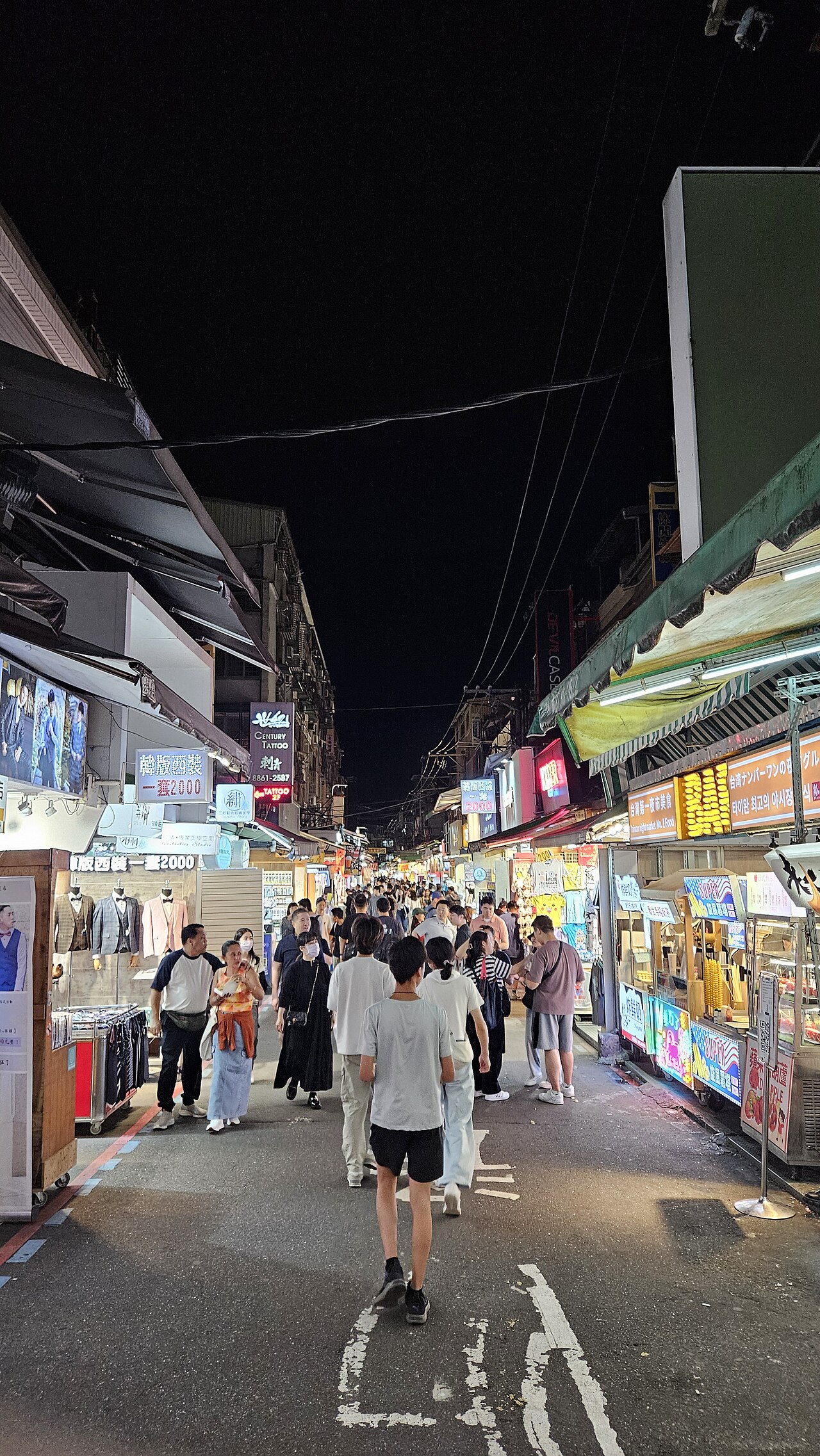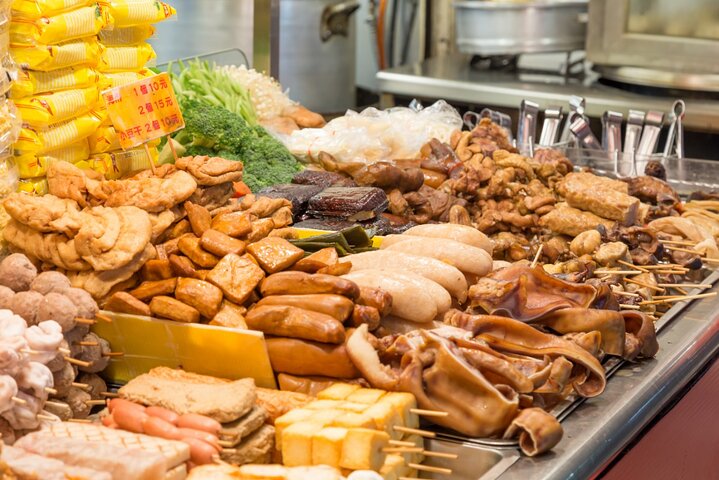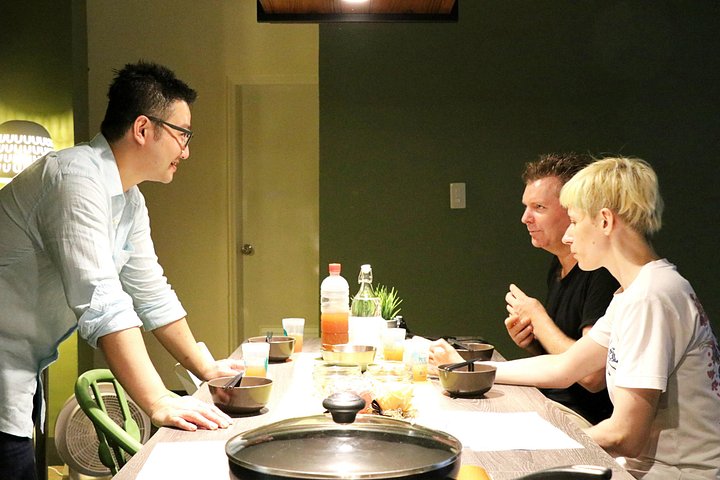
Taiwanese food is one of the great pleasures of a trip to Taipei, and a cooking class is one of the best ways to understand it. Most classes begin with a stroll through a traditional wet market, where you meet vendors, learn to recognise Taiwanese basil, pickled mustard greens, fresh tofu and the many kinds of noodles, and pick up ingredients for the lesson. You then head to a kitchen to cook a menu of classic dishes, which typically includes lu rou fan, the braised minced pork over rice that is arguably Taiwan’s national comfort food. Other common dishes include scallion pancakes, hand-pleated dumplings, beef noodle soup, gua bao (the pork belly bun), three-cup chicken and a cold dessert or bubble tea. Instructors usually speak English, explain the logic of each sauce and technique, and send you home with recipes. Because Taiwan’s cuisine relies on a short list of pantry staples such as soy sauce, rice wine, sesame oil and white pepper, many dishes are surprisingly easy to reproduce at home once you have seen how they are made.
How it works
Classes are run in small groups, typically for a morning or an afternoon, and some are private. The market visit is usually included, followed by two to three hours of cooking, and you eat everything you make. Menus vary, so check the dishes before you book if you have a favourite you want to learn. Most operators can adapt for vegetarian diets and common allergies if told in advance, and some classes are held in a home kitchen while others use a purpose-built studio. Meeting points are usually near an MRT station.
What to expect
You will wear an apron, chop, stir, fold and taste. The market is lively and a little chaotic, with strong smells and plenty of noise, so wear closed shoes and be ready to try things you do not recognise. In the kitchen, instructors guide each step, and the atmosphere is relaxed. The meal at the end is usually generous, and a good opportunity to talk with other travellers. Cooking classes are especially welcome on rainy days, when outdoor sights are less appealing.
Making the most of it
Book early in your trip, so that you can use what you learn to order with confidence at night markets, and so that you can seek out the dishes you have cooked. Take notes on the sauces and ingredients, and photograph the market stalls so that you can find equivalents at home.
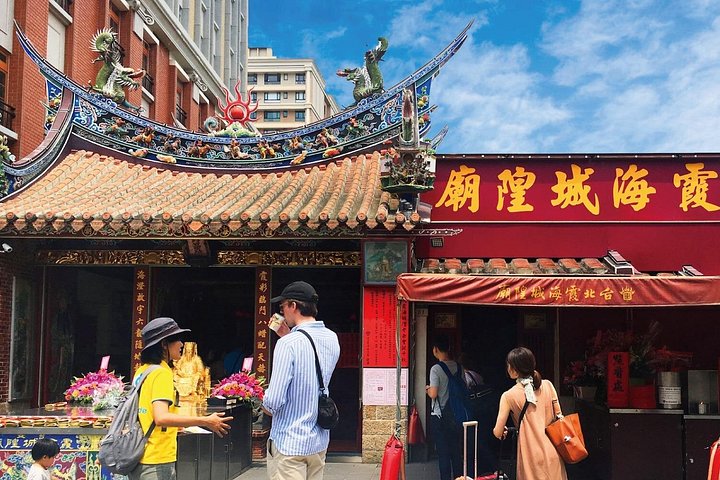
Many classes finish early afternoon, leaving time for Dadaocheng, Longshan Temple or a museum visit. Arrive hungry, but avoid a heavy breakfast. If you are travelling with children, check the minimum age in advance, as some classes involve sharp knives and hot woks.
Ask where you can buy ingredients to take home, as a bottle of good soy sauce makes a lasting souvenir. Bring a reusable bag for any ingredients you buy, and take photographs of the dishes as you cook, so that you can match the plating when you try the recipes at home, which is half the fun of taking a class. If you are keen to go further, ask the instructor which neighbourhood markets and shops they use themselves, as these recommendations are often the most useful part of the morning.
What to expect
The experience
A small-group market visit and hands-on cooking class, finishing with a meal.
Best time
Morning classes, early in your trip and especially on a wet day.
How long
Three to four hours.
Tips
Tell the organiser about dietary needs, wear closed shoes and arrive hungry.
Quick picks
- Best for
- Food lovers who want to take the cuisine home.
- Families
- Check minimum ages, as classes use knives and hot woks.
- Couples
- Cook, eat and compare notes.
- Pair with
- Dadaocheng or Longshan Temple in the afternoon.
- Time needed
- Three to four hours.
Good questions
What dishes will I cook?+
Typical menus include braised pork rice, scallion pancakes, dumplings, gua bao and a dessert or bubble tea, though menus vary.
Is there a market visit?+
Many classes begin with a walk through a traditional market to choose ingredients.
Can vegetarians join?+
Most operators can adapt a menu if you tell them in advance.
Do I eat what I cook?+
Yes, the class usually ends with a shared meal of the dishes you have made.
Is it suitable for children?+
Check the minimum age with the organiser, as classes involve knives and hot woks.