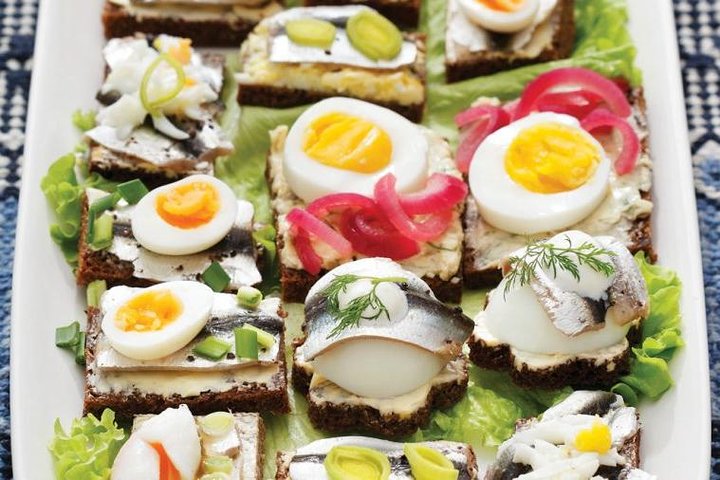
Tallinn has gone from a place where visitors ate whatever the terraces served to one of the Baltic’s more interesting food cities. The cooking is rooted in a short growing season, a long coast, deep forests and centuries of influence from Germans, Swedes, Russians and Finns. Knowing a few dishes and a few neighbourhoods will make every meal better.
The foundation: rye bread
Dark, dense, slightly sour rye bread is the national staple, served with butter, cheese or fish and often with a meal. Try it freshly baked and notice how different it is from the lighter breads of western Europe. Alongside it, look for smoked and cured fish: herring, sprats and salmon turn up in starters, sandwiches and market stalls, reflecting the Baltic coast.
Traditional dishes to look for
Estonian home cooking leans towards the hearty. Pork with sauerkraut and potatoes, blood sausage with lingonberry sauce at Christmas, mushroom and berry dishes in late summer and autumn, and root vegetables all feature. A curd snack, often glazed and sweet, is a favourite among locals, and the traditional toasted-grain powder called kama is mixed into dairy for a distinctive dessert or breakfast. Menus in the Old Town often present these dishes in refined form, while market halls offer the plainer versions.
Drinks
Estonia has a lively craft beer scene alongside long-established breweries, and a tasting is an easy way to compare styles. A dark, sweet local liqueur is a traditional souvenir and a warming shot in winter. Forest flavours such as sea buckthorn and juniper appear in soft drinks and cocktails. Coffee culture is strong, with cafes in nearly every lane, and hot spiced drinks are part of the winter Christmas market on the Town Hall Square. Drinking is relaxed but not rowdy in most places; Old Town bars can get lively at weekends.
Where to eat
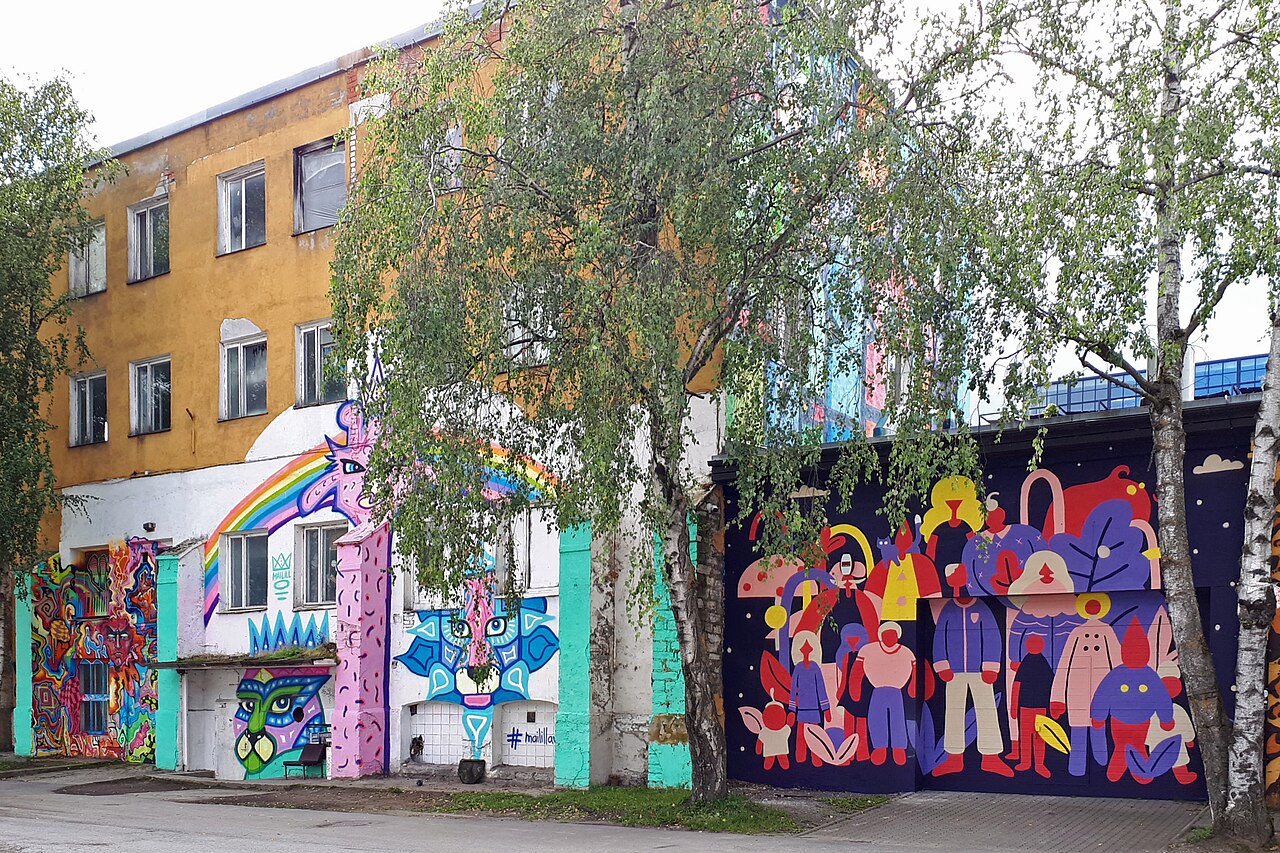
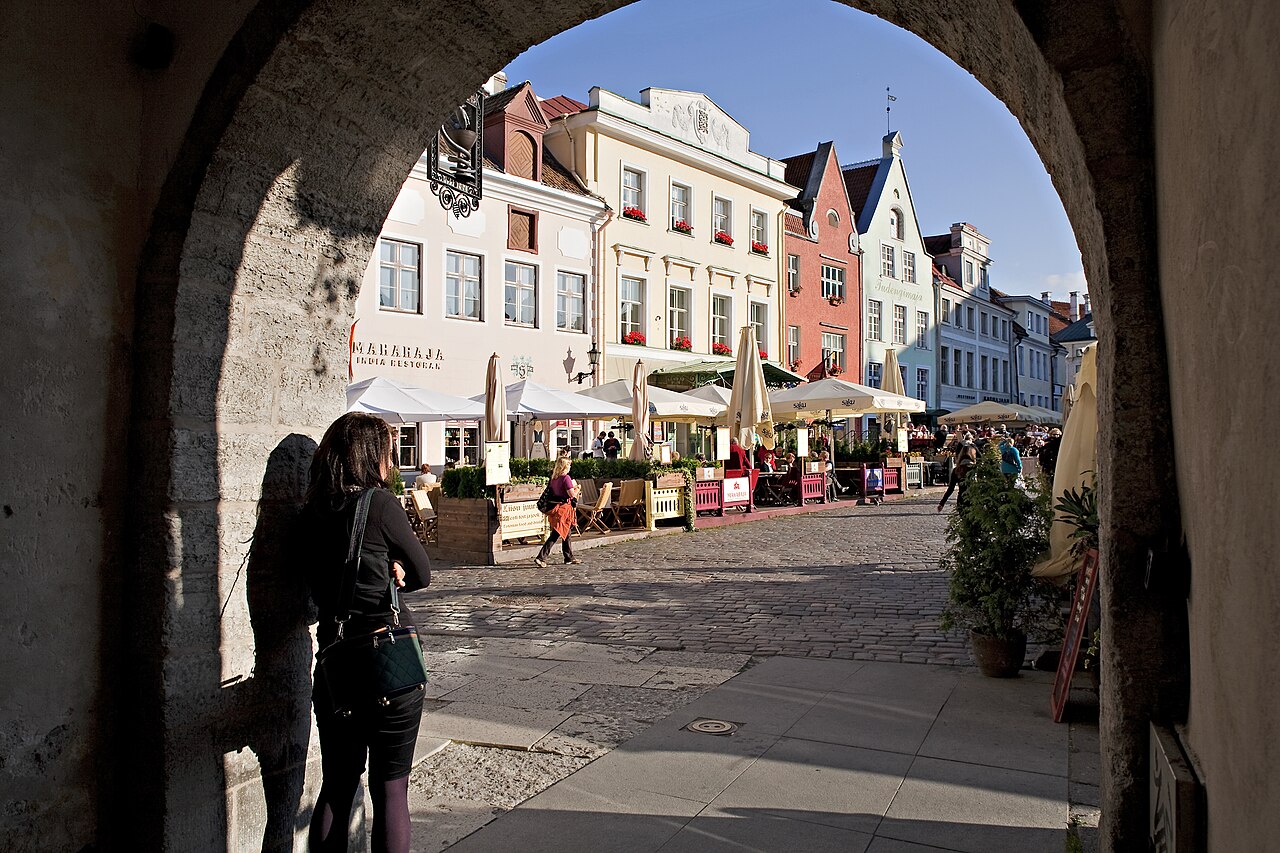
The Old Town offers atmosphere, including vaulted cellars and medieval-themed dining rooms, but the terraces on and around the Town Hall Square are priced for visitors. Walk a lane or two away and prices and quality improve. For a modern food scene, head to Telliskivi Creative City and the surrounding Kalamaja district, where converted railway buildings now hold cafes, bars and restaurants and the Balti Jaama market sits beside the station. The Rotermann Quarter, a district of converted industrial buildings near Viru Square, is another place with a concentration of restaurants. Book for Friday and Saturday evenings, especially in summer and in December.
Learn it with a guide
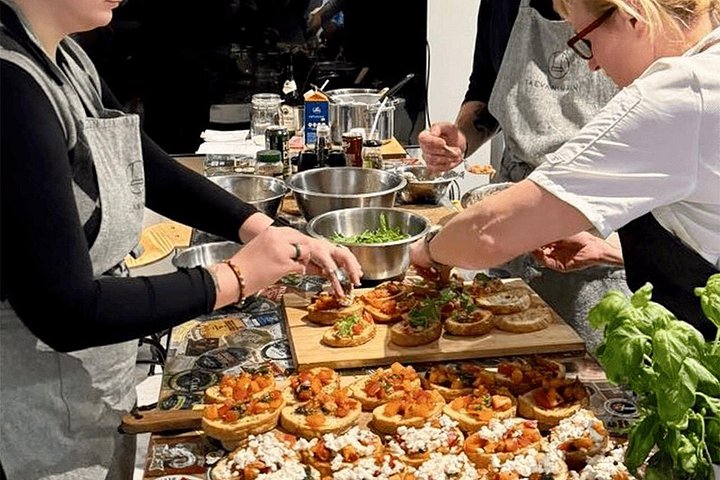
If you like to understand what you are eating, take the guided Old Town tasting walk early in your stay. It pairs bites and drinks with stories of guilds, occupations and independence, and teaches you the menu so you can order with confidence later. For something hands-on, a cooking class lets you prepare a menu of traditional dishes with a local host and then eat the results, which makes a good wet-weather evening and gives you recipes to take home. Both work for solo travellers as well as couples.
Eating by season
Winter brings warming dishes, mulled drinks and the Christmas market; the sauna is part of the culture, and a post-sauna drink is a local habit. Spring brings first greens and fresh herbs. Summer is for fish, new potatoes, outdoor terraces, berries and long evenings. Autumn is mushroom and game season, and berry picking is a national pastime. Ask what is in season rather than choosing by habit.
A simple eating plan
For a two-day visit, have a rye-bread-and-smoked-fish breakfast or snack early, a long lunch of a traditional main dish in the Old Town on the first day, and an evening of small plates and local beer in Telliskivi on the second. If you only have time for one organised food experience, make it the tasting walk. If you have a kitchen craving, add the cooking class. Whatever you choose, leave room for a sweet pastry or a curd snack from a bakery or market, which many locals consider the proper end to a walk.
Practical tips
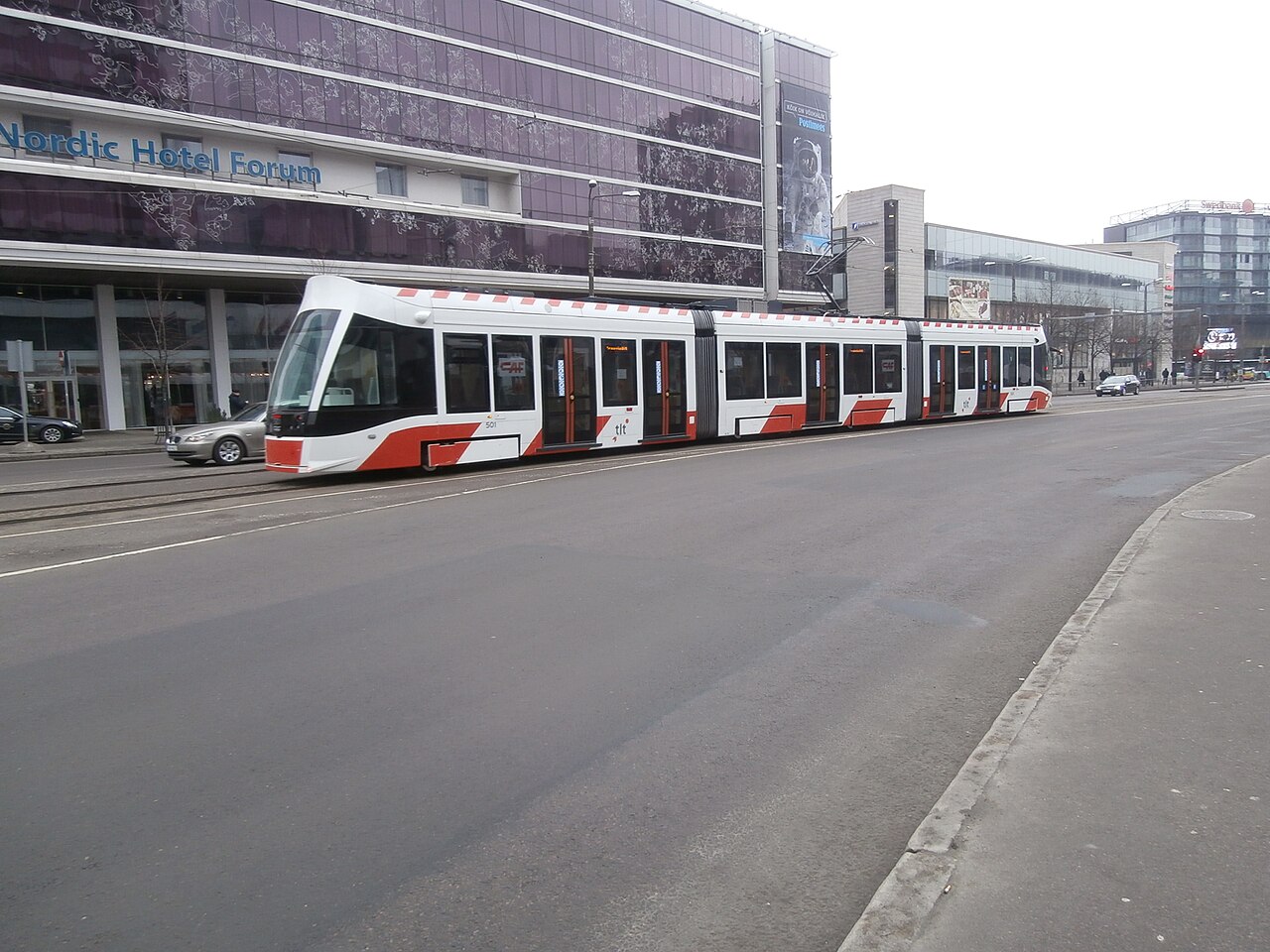
Estonia uses the euro, cards are accepted almost everywhere and tipping is modest, usually a rounding up or around ten percent for good service when a service charge is not already included. Lunch menus often offer good value compared with dinner. Vegetarian and vegan options are widespread in Telliskivi and the centre, and most kitchens handle gluten-free requests if asked in advance. Dinner can start earlier than in southern Europe, with kitchens in smaller places closing by late evening. If you are staying in the Old Town, Hotel Telegraaf has the Tchaikovsky restaurant on site, and in the modern centre the Noho restaurant at Nordic Hotel Forum is a local-produce option.