The Hague and Delft hold one of the most concentrated stretches of art in Europe, and the two towns are a quarter of an hour apart by train. In The Hague, you can stand in front of Vermeer's Girl with a Pearl Earring in the morning, walk to Mondrian's late work in the afternoon and finish with the optical puzzles of Escher. In Delft, you follow the painter's trail through the town where he lived and see the pottery that made its name around the world. This guide organises the art into a route that avoids fatigue and repetition.
Start with the Golden Age at the Mauritshuis
The Mauritshuis is small enough to see properly in two hours, and it holds Vermeer's Girl with a Pearl Earring and View of Delft, Rembrandt's Anatomy Lesson of Dr Tulp and Fabritius's Goldfinch. Book a timed slot ahead, and go early or late in the day, when the rooms are quieter. Spend longer in front of fewer paintings. The Girl with a Pearl Earring is smaller than most people expect, and the detail rewards patience. If you want deeper context, a guided visit from an art historian is a useful addition.
Move to Delft for Vermeer's town
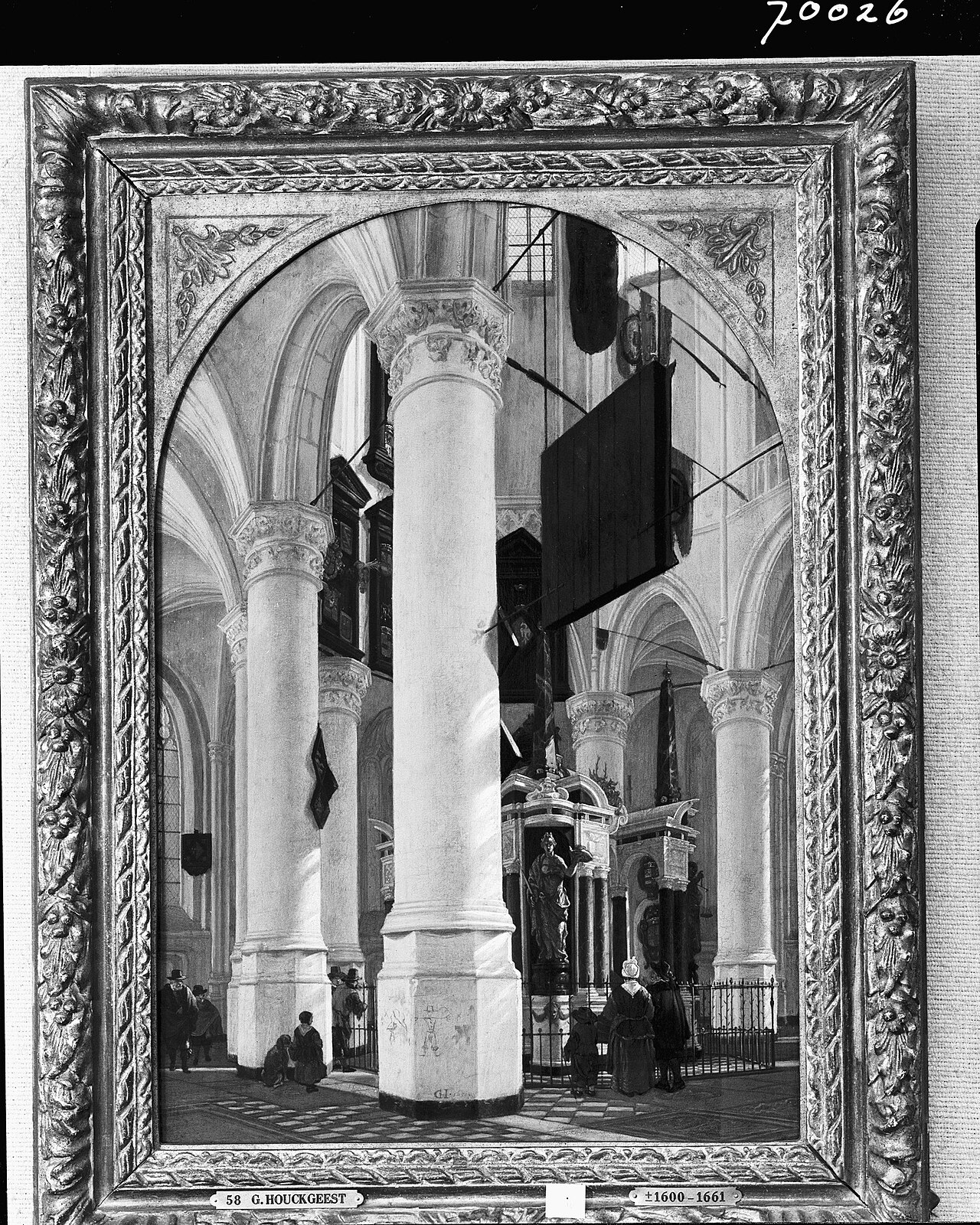
View of Delft is the painting in The Hague, but the town it shows is a short train ride away. The Vermeer Centrum explains his life and technique and displays reproductions of his works, which is useful given that no original Vermeer paintings remain in Delft. Pair it with a walk through the Markt and along the canals, and use the walking tour to link the places he painted and lived in. Delft is also the place to see the Nieuwe Kerk, where the tomb of William of Orange sits, and the Oude Kerk, where Vermeer is buried.
See Delft Blue where it is made
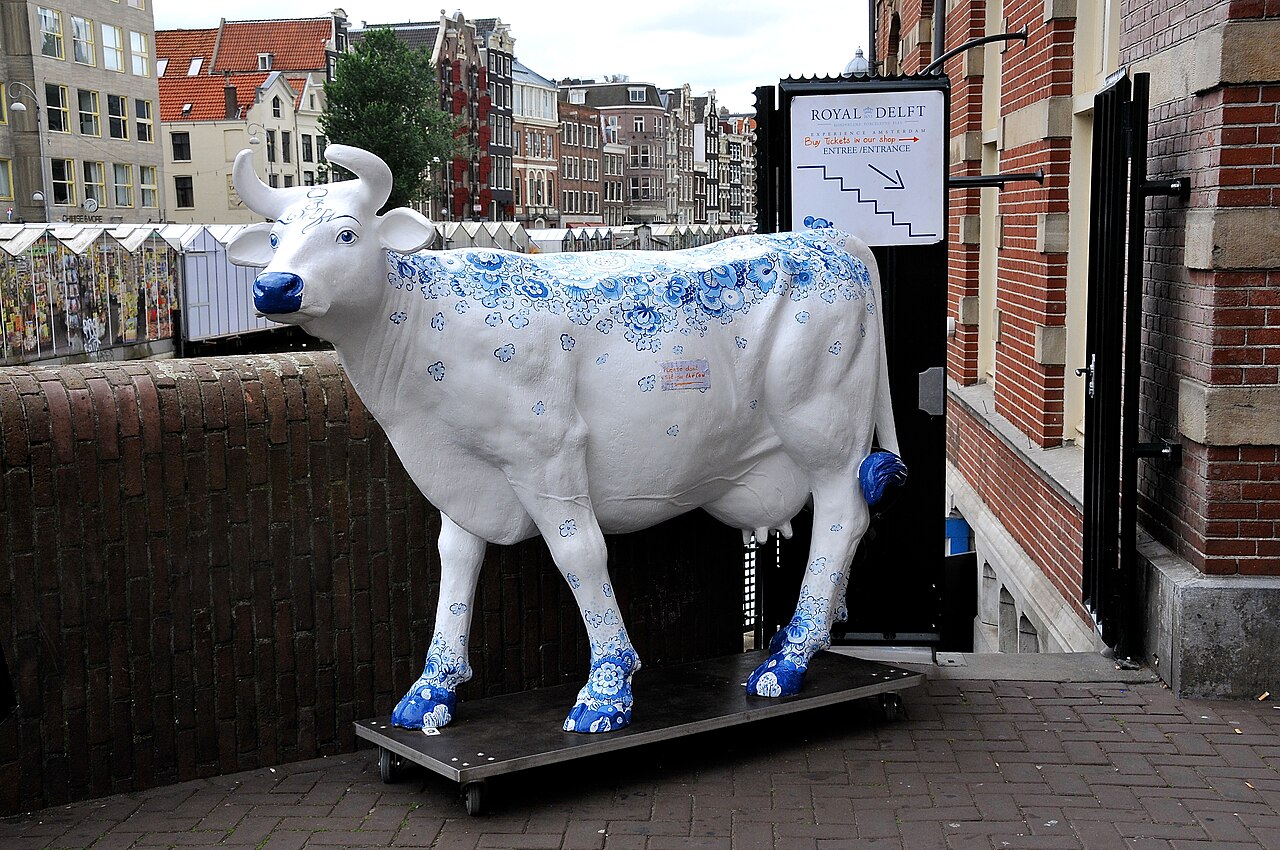
Royal Delft is the factory that kept the tradition alive, with hand painters, a museum and a tiled version of Rembrandt's Night Watch. Seeing the painters at work changes how you look at the pottery you see in museums elsewhere. For a more active version, a pottery workshop in the old town lets you shape a piece yourself and then see how professionals do it. Make Royal Delft your afternoon stop after the Vermeer Centrum, and leave time for the shop, which sells pieces at a range of budgets.
Add modern art at the Kunstmuseum Den Haag
The Kunstmuseum, designed by Berlage, holds one of the largest Mondrian collections in the world, including Victory Boogie Woogie, as well as fashion, decorative arts and Delftware. The displays show how Mondrian moved from Dutch landscapes to abstraction, which makes an excellent contrast to the Golden Age. It is closed on Mondays and uses timed slots, so reserve ahead. Allow two to three hours, and combine it with a walk in the or a coffee in the museum cafe.
End with Escher
Escher in Het Paleis is housed in a former royal palace on Lange Voorhout, and it presents the graphic artist's impossible staircases, tessellations and mirror worlds across three floors. It is playful, visual and good with children, and it makes a lighter counterpoint to the weight of the Mauritshuis. It is also an excellent wet-day activity. Tickets are timed, so book ahead for weekends and school holidays.
Add Panorama Mesdag for a different scale
Panorama Mesdag is a 360-degree painting of the Scheveningen dunes and the sea from the 19th century, displayed in a round building so that you stand in the middle of the scene. It takes twenty to thirty minutes, and it is one of the most distinctive art experiences in the Netherlands. Visit in the late afternoon, when the rest of the day has been spent indoors, and walk afterwards to the beach.
Pace the days
Do not try to see everything at once. A good three-day plan is the Mauritshuis and Escher on day one, Delft with the Vermeer Centrum and Royal Delft on day two, and the Kunstmuseum and Panorama Mesdag on day three. If you only have two days, drop the Kunstmuseum or the Escher museum. Allow a gap for lunch and a walk between museums, as concentration fades after two hours of looking, and book timed slots for the Mauritshuis and the Kunstmuseum first, since they sell out.
Where to stay
For an art-focused trip, the best bases are close to the museum quarter in The Hague, such as Hotel des Indes, or inside the old town of Delft. A stay in Delft lets you walk to the Vermeer Centrum and the Markt in the evening, and The Hague is a quarter of an hour away by train. If you prefer sea air in the evening, Scheveningen is a tram ride from the museums. Choose according to whether you want grand surroundings or a canalside setting, and keep the other town for a day trip.
Practical tips
Check opening hours before you go, as many museums close on Mondays and winter hours are shorter. Bring a light bag, since large bags are often not allowed in galleries, and wear comfortable shoes for the polished floors. A museum pass can save money if you plan several visits, but the Kunstmuseum and the Mauritshuis still require booked slots. Audio guides and guided tours add depth, particularly at the Mauritshuis and in Delft, where the history is as interesting as the art.