The Hague and Delft reward visitors who spend wisely. Many of the best experiences cost nothing, the towns are compact enough to walk, and a few smart choices on tickets, transport and food keep a trip affordable. This guide focuses on free sights, budget tactics and where to spend your money for the most value.
Free sights worth your time
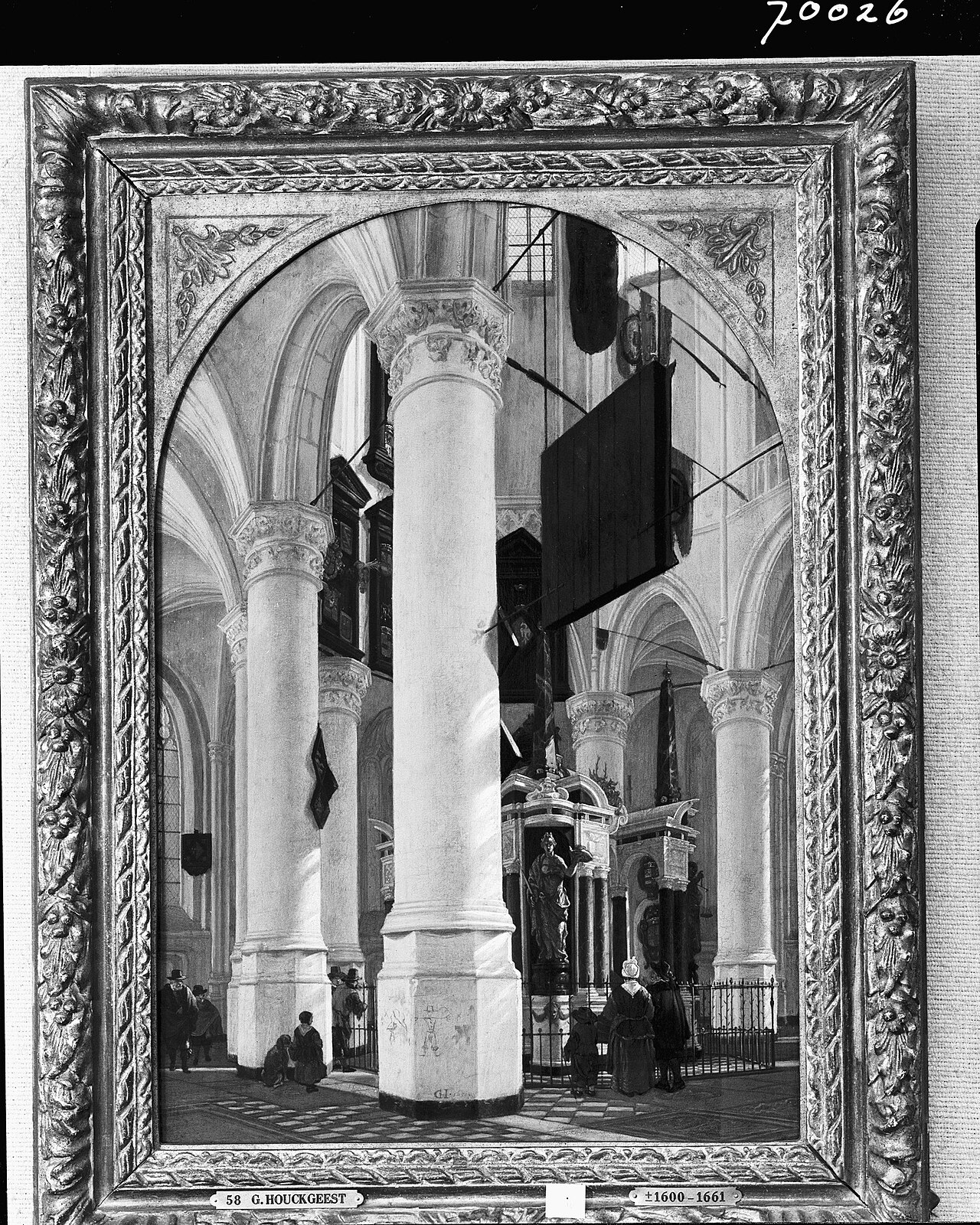
Scheveningen beach and promenade are free all year, with a wide sandy beach and big skies, and only the pier attractions charge. The Palace Garden behind Noordeinde Palace is free daily from sunrise to sunset, with fountains, flowerbeds and picnic spots. The Peace Palace Visitors Centre is free and explains the city's role in international law, open Wednesday to Sunday afternoons. Delft's old town is free to wander, with canals, the Markt and the exterior of the Nieuwe Kerk, which is one of the best free afternoons in the Netherlands. Walking round the Hofvijver to see the Binnenhof buildings from the water also costs nothing.
Choosing which paid sights to buy
If you can only afford a couple of tickets, put your money where the payoff is greatest. The Mauritshuis is the single strongest paid sight, with the Vermeers, Rembrandts and the Goldfinch in two hours. The Kunstmuseum Den Haag adds the Mondrian collection and the Panorama Mesdag is a short, memorable visit. In Delft, Royal Delft and the Vermeer Centrum are the two main paid stops, and you can happily choose one. Pick one or two paid sights per day and fill the rest with free walking.
Check museum discount options
The Netherlands has a museum card scheme that gives access to many museums for a year, and it can pay for itself if you plan several museum visits, though you should check whether the museums you want participate and whether time slots must still be reserved. The Kunstmuseum, for example, asks you to reserve a slot even when you hold a discount pass. Combined tickets also exist for some attractions, which can be cheaper than buying separately, so compare before you commit.
Getting around cheaply
The centre of The Hague and the old town of Delft are best on foot. For longer trips, trams and buses cover the rest, and trains link The Hague and Delft in about a quarter of an hour. Pay with contactless or a transport card, and check the current fare rules before you travel. Hiring a bike is another economical option in Delft, where distances are short and the streets flat.
Timing helps the budget
Visiting in the shoulder seasons, outside school holidays and major conference dates, tends to lower hotel prices, and weekday museum visits are calmer than weekends. Arriving early at timed-ticket museums also means you are less likely to pay for a second day to see what you missed. Keep a flexible plan so that a wet afternoon can switch to an indoor sight, rather than forcing you to buy a ticket you do not want for a sight you cannot enjoy in the rain.
Eating well for less
Breakfast is often an extra charge at Dutch hotels, so choosing a rate without breakfast and eating at a bakery or cafe can save money. Lunch is generally cheaper than dinner, and many restaurants offer lunch menus. The Palace Garden and the beach are ideal for picnics, and caterers in the Court Quarter sell picnic baskets. Markets are another good source of lunch, and Delft's Thursday market on the Markt is a traditional place to browse and graze.
Where to stay
The cheapest rooms tend to be at the beach or in simpler hotels, and weekend rates in the centre can be lower than weekday rates, when diplomatic and conference trade fills the hotels. A budget hotel near the seafront, such as easyHotel, puts you a few minutes from the sand and a tram ride from the centre. Delft's smaller hotels offer an old-town base without the price of a grand hotel. Book early for conference dates, and check what the rate includes.
A sample budget day
Walk the Hofvijver and the Palace Garden in the morning, buy one museum ticket for the afternoon, then take the tram to the beach for an evening walk and a picnic or a simple meal. The next day, take the train to Delft, wander the old town, and pick either Royal Delft or the Vermeer Centrum. With free sights doing most of the work, three days can cost a fraction of what a big-city break might.