The Hague and Delft are two very different towns a quarter of an hour apart by train. The Hague is the seat of government and the city of international law, with grand avenues, a world-class museum quarter and a long North Sea beach. Delft is smaller and quieter, with canals, a market square and the heritage of Vermeer and Delft Blue. Together they make one of the most rewarding short trips in the Netherlands, and they are far less crowded than Amsterdam. This guide covers what to book, how to move around, how long to stay and what has changed.
How many days
Two full days is the practical minimum and three is comfortable. Day one is The Hague's museum quarter: the Mauritshuis in the morning, a walk round the Hofvijver, lunch near the Plein, and then the Escher museum or Panorama Mesdag in the afternoon. Day two is Delft, with Royal Delft, the Vermeer Centrum and a long walk through the old town. A third day adds Scheveningen beach and the Kunstmuseum or Madurodam, depending on the weather and who is travelling with you.
What to book ahead
The Mauritshuis sells tickets for a day and slot, so book it first, especially for weekends and school holidays. The Kunstmuseum Den Haag uses timed slots and asks you to reserve one even with a discount pass. Escher in Het Paleis, Panorama Mesdag, Madurodam and the Delft sights are easier, but online tickets save time at the door. The Peace Palace itself is open only on guided tours on rare dates and requires a passport or EU identity card, so book early if you want inside. Its Visitors Centre is free and open Wednesday to Sunday afternoons.
Getting around
The centre of The Hague is walkable, and trams cover the rest. Tram 17 runs to the Kunstmuseum, tram 9 to Madurodam, and trams 15 and 16 to Korte Voorhout near the Escher museum. Tram 1 links Scheveningen, the centre and Delft, and the train from Den Haag Centraal to Delft takes about a quarter of an hour. Delft's old town is compact and best on foot, though Royal Delft is outside the centre, so plan a short tram, bus or bike ride. Buy tickets with a public-transport card or contactless payment, and check the current rules before you travel.
The Binnenhof
The Binnenhof, the historic parliament complex beside the Hofvijver, is under renovation and its courtyard is closed to walkers. It is a long, multi-year project, so check current information before you travel. Tours of the Ridderzaal and the chambers are not running, so do not plan a day around them. You can still admire the buildings from the Hofvijver side and the nearby streets, and the Mauritshuis sits right beside them. Public information about the works is available through the renovation information centre on Plaats.
Where the headline sights fit
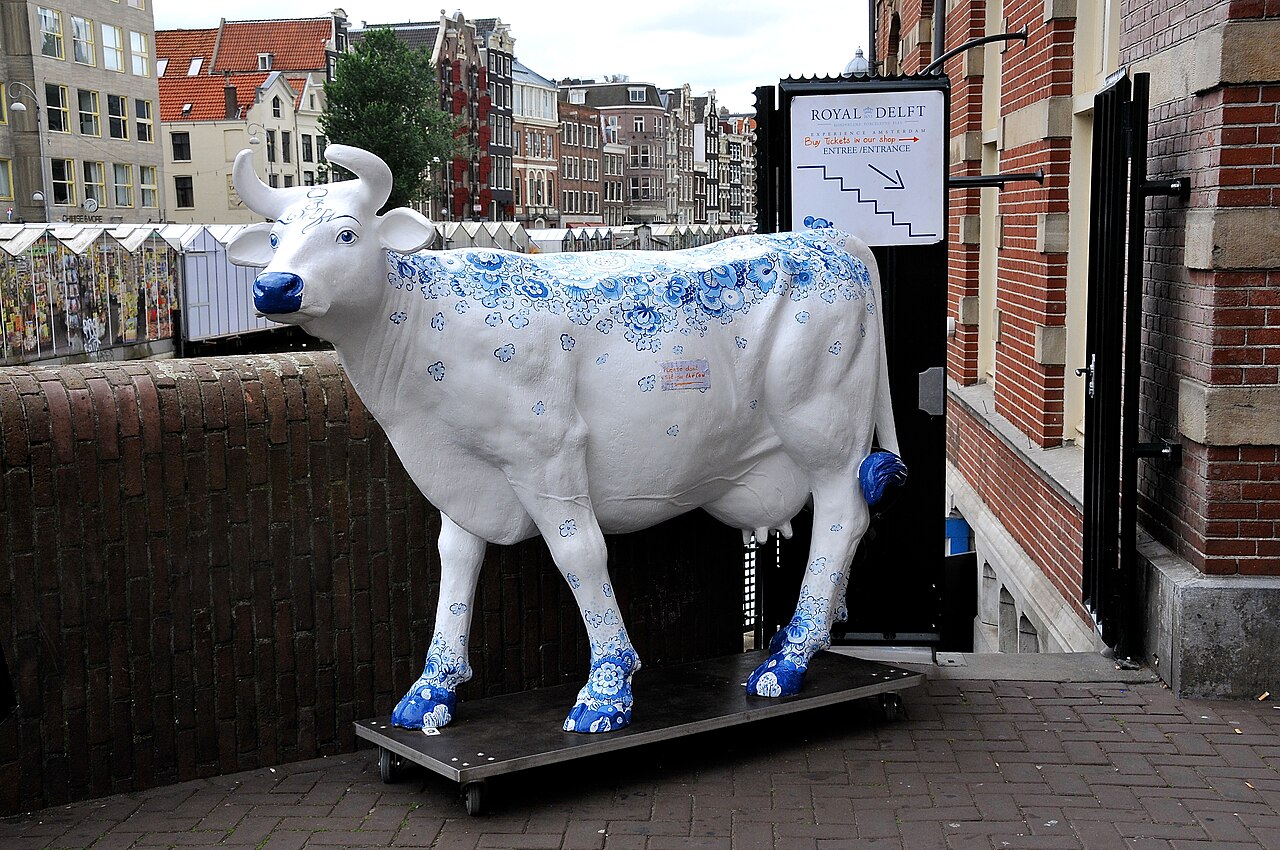
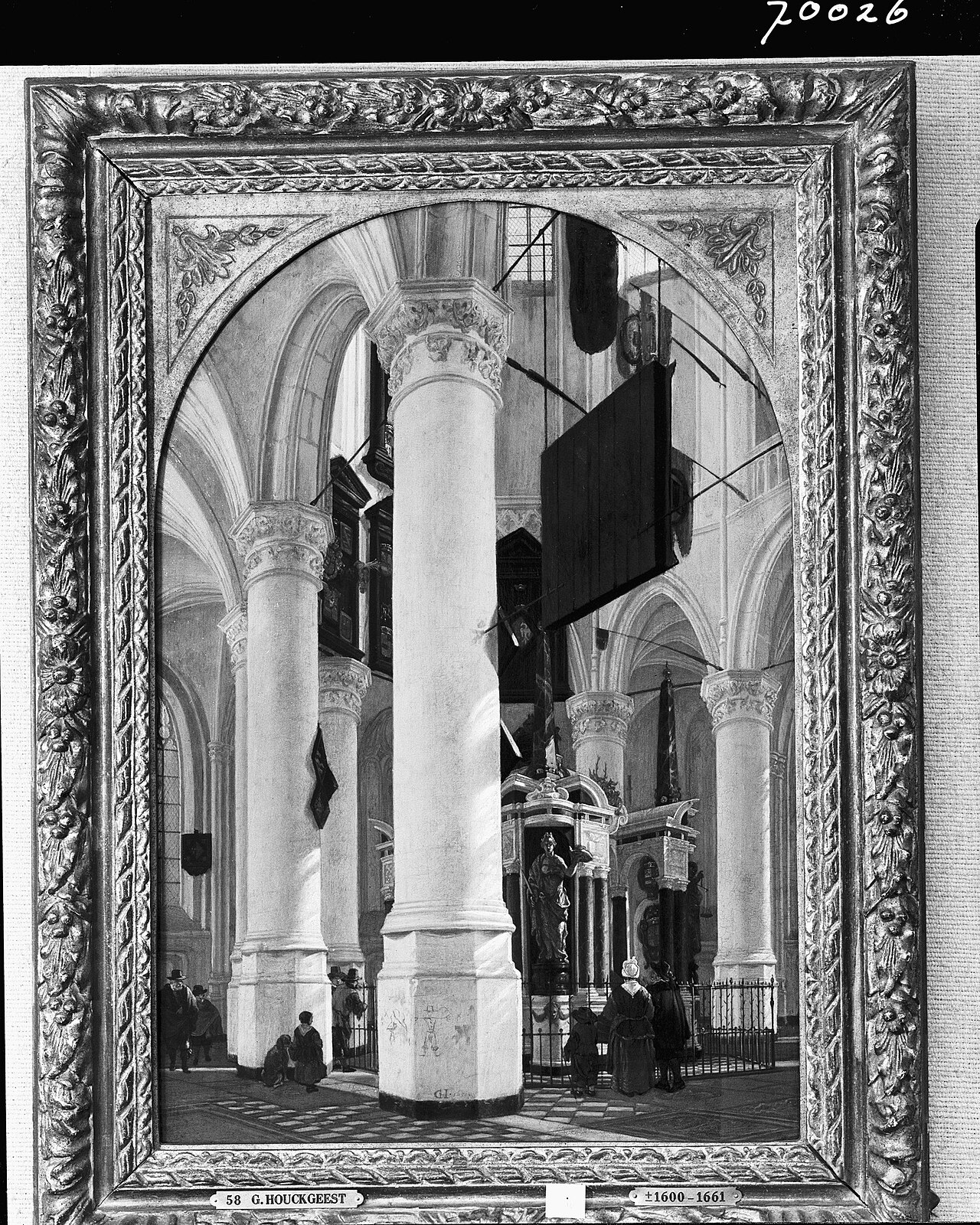
The Mauritshuis delivers Vermeer's Girl with a Pearl Earring and View of Delft in two hours. Escher in Het Paleis and Panorama Mesdag are short, visual and good on a wet day. The Kunstmuseum has the Mondrian collection and Madurodam is the family favourite. Scheveningen is the seaside half-day, with a free beach and a ticketed Ferris wheel on the pier. In Delft, Royal Delft shows the hand-painted craft, the Vermeer Centrum explains the painter, and the old town is free to wander, with a Thursday market on the Markt.
Winter conditions
Days are short, with early dusk, so plan outdoor sights for late morning and early afternoon and keep museums for the dark hours. Pack a waterproof jacket and a warm layer, since the wind off the sea can be sharp in Scheveningen. The Nieuwe Kerk in Delft keeps winter hours, with the tower closing an hour earlier than the church and possibly shutting in bad weather. Many beach clubs reduce their hours in winter, but the beach itself stays free and open.
A simple plan
Day one: Mauritshuis, a Hofvijver walk, lunch, then Escher or Panorama Mesdag. Day two: train to Delft, Royal Delft in the morning, the Markt and the Vermeer Centrum after lunch, and a canal walk at dusk. Day three: the Kunstmuseum, then tram to Scheveningen for a beach walk and dinner. For where to base yourself, see our guide to where to stay, which covers the museum quarter, the beachfront and Delft itself.