Northern Guatemala has a tropical climate with two main seasons, and the one you travel in changes how the trip feels. The dry season runs from about November to April, the wet season from about May to October, and both have real advantages. This guide explains what to expect, so that you can choose a season that fits your priorities and plan each day around the weather.
The dry season, November to April
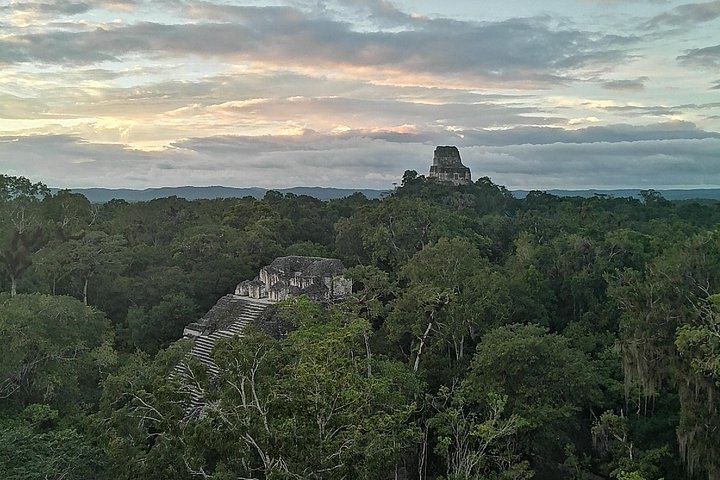
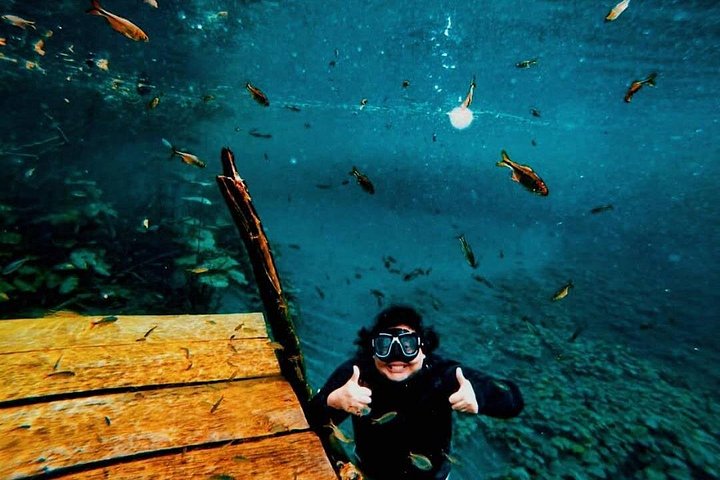
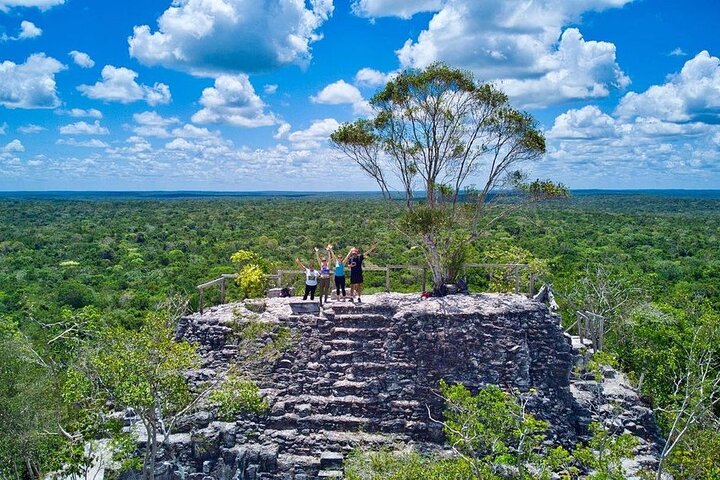
This is the most comfortable time for most visitors, and the busiest. Skies are clearer, paths are firmer, and the humidity is lower, particularly between November and January, when mornings can be cool enough for a light layer at a Tikal sunrise. It is the best season for long walks between temples, for the sunset tours at Tikal and Yaxhá and for outings that depend on roads and boats, such as Ceibal and Crater Azul. It is also the season when the El Mirador trek is usually run, since the trails are easier to walk. Because more visitors arrive, book your Tikal tour a day or two ahead, and reserve hotels early, especially for the Christmas and New Year period and for Holy Week around Easter, which is a major holiday in Guatemala.
The hottest weeks
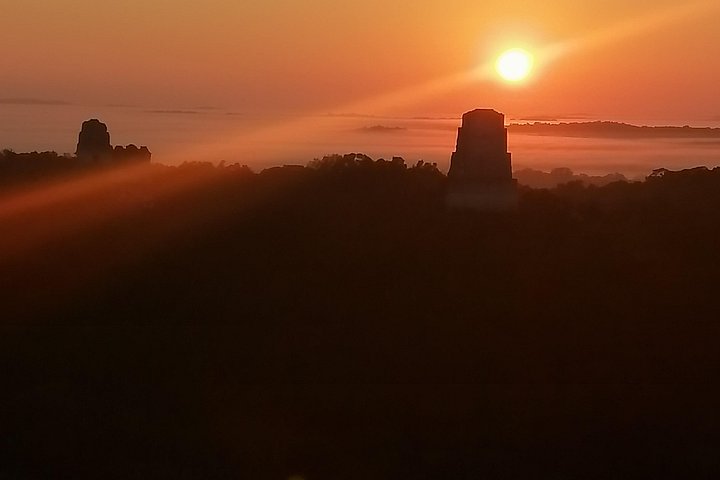
Heat builds toward the end of the dry season, in March, April and May, and the middle of the day can be very hot and humid. The solution is to move your activities to the early morning and late afternoon. A sunrise tour at Tikal is a good way to see the ruins before the heat, and the sunset tours are pleasant for the same reason. Rest or swim in the middle of the day, and keep your water bottle filled. The lake at Flores is a welcome relief, and many hotels have pools.
The wet season, May to October
The forest is green, the crowds are thinner and prices can be lower. Rain tends to arrive in the afternoon as heavy showers rather than as all-day downpours, so the usual pattern is a bright morning and a storm later. That suits Tikal well, since the early start gives you the best of the day. The trade-offs are mud on forest paths, more insects and the occasional cancellation of a boat or sunset tour. Roads to remote sites, including the road to Ceibal, are harder after heavy rain, and trekking to El Mirador can be difficult, so check with your operator before planning around them. Bring a light rain jacket, a dry bag for your camera and shoes that can get wet.
Wildlife and the seasons
Birds and monkeys are active year-round at Tikal, and the early morning is the best time in any season. In the wet season the forest is lush, and water collects in the lagoons, which helps birdwatchers at El Remate and Cerro Cahuí. In the dry season, animals gather where water is available, and visibility through the trees can be a little better. In either season, keep your voice down and move slowly, and your odds improve.
Picking your window
For a first visit with ruins as the priority, aim for November to February. If you want the best photographs at sunrise, remember that mist is common in the cooler, wetter months and can make for atmospheric light, though it can also hide the view from the temples. If you value quiet and low prices over comfort, consider June to September, with morning visits and flexible afternoons. If your trip includes a trek or a long road day, treat the dry season as the default.
What to pack by season
In every season, pack closed shoes with grip, repellent, a hat, sun protection and a torch for sunrise. In the dry season add a light layer for early mornings. In the wet season add a rain jacket, quick-dry clothing, a dry bag and a spare pair of socks. Bring a refillable bottle all year, because the heat and humidity make dehydration easy.
Planning around the season
Wherever you are in the year, leave a spare half-day in your plan. Weather can delay a boat, a road or a tour, and a flexible day lets you recover without losing a major sight. Check the latest conditions and travel advice before you go, and confirm tour details with your operator a day ahead.