Tikal is both an archaeological site and a living forest, and the best visits pay attention to both. The temples are the headline, but the rainforest around them is full of animals that thrive in the park, and the two together make the experience. This guide explains what you are looking at, how to read the main groups and how to see wildlife without disturbing it.
A city in the forest
Tikal was one of the great cities of the Classic Maya world, a rival of Calakmul and a centre of power for centuries. Its stone temples, palaces and plazas were built over many generations, and the city declined around the end of the Classic period, after which the forest reclaimed it. The site is protected as a national park and has been a UNESCO World Heritage Site since 1979. Only a portion of the city has been cleared and restored, so many mounds you pass on the paths are unexcavated buildings under tree roots.
The Great Plaza
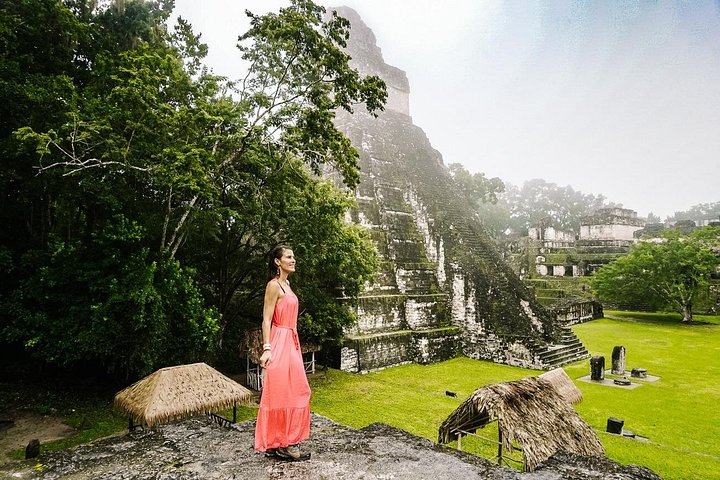
The heart of the site is the Great Plaza, framed by the two famous temples, one facing the other across a grass square. Temple I, often called the Temple of the Great Jaguar, is a funerary pyramid for a major ruler, and Temple II stands opposite it. The North Acropolis behind it is a dense layer of tombs and temples built one on top of another over centuries, and the Central Acropolis to the south is a maze of palace courtyards. A guide helps you read the stelae and altars that stand in the plaza, which record rulers and dates in Maya script.
The high viewpoints
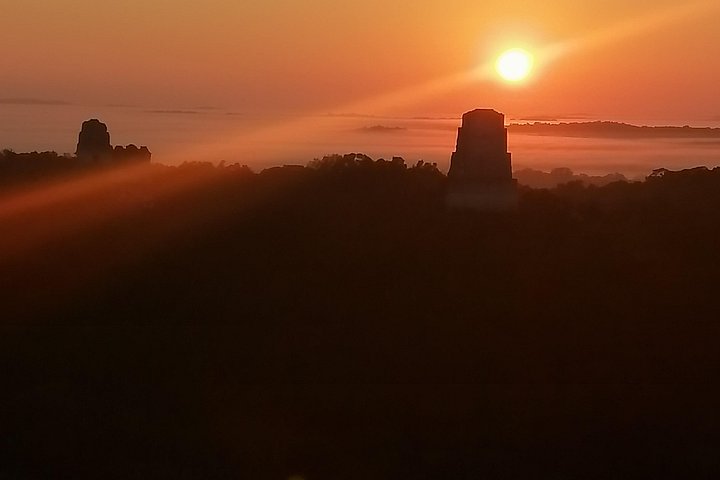
Temple IV is the tallest structure at Tikal, at roughly 70 metres among the tallest pre-Columbian buildings in the Americas, and a wooden stairway leads to a platform above the canopy. It is the classic sunrise spot, with the tops of other temples rising out of the mist and the forest stretching to the horizon. The Mundo Perdido complex, also known as the Lost World, includes one of the oldest pyramids at the site and is a popular sunset viewpoint. Both climbs involve steep stairs, so go slowly and keep your hands free.
The wildlife
Tikal is one of the best places in Guatemala to see forest animals in the open. Howler monkeys announce the dawn with deep roars, spider monkeys swing through the upper branches, and coatis wander the paths in groups with their tails raised. Ocellated turkeys, with their glossy blue and bronze feathers, strut across the plazas, and agoutis forage under the trees. Birders can look for toucans, parrots, trogons and many smaller species. Jaguars live in the park but are rarely seen. For the best chances, go early, walk quietly and look up as well as ahead.
How to see it
A guide is strongly recommended, and is required for the early-entry and late-entry visits. A good one improves the day enormously by pointing out animals and explaining the architecture. The sunrise tour gives you the best light, the cooler hours and the most active wildlife, and the sunset tour is the best choice for a calmer visit with warm light on the temples. The small-group day tour covers the main groups in daylight, and the private tour lets you set the pace. Whichever you choose, carry water, repellent and closed shoes.
Going beyond Tikal
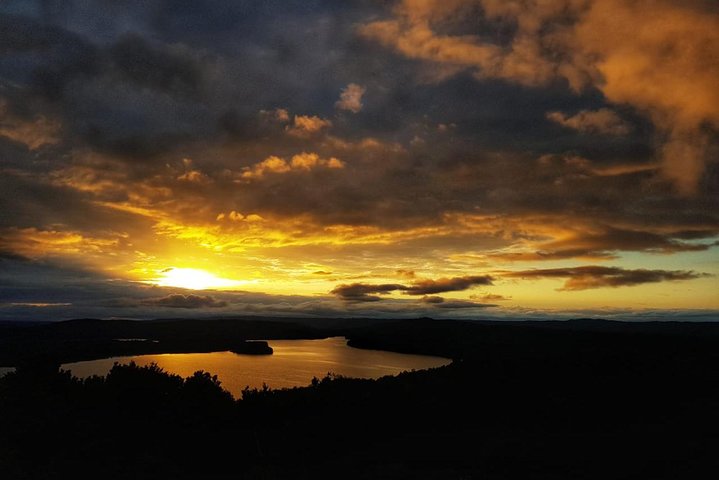
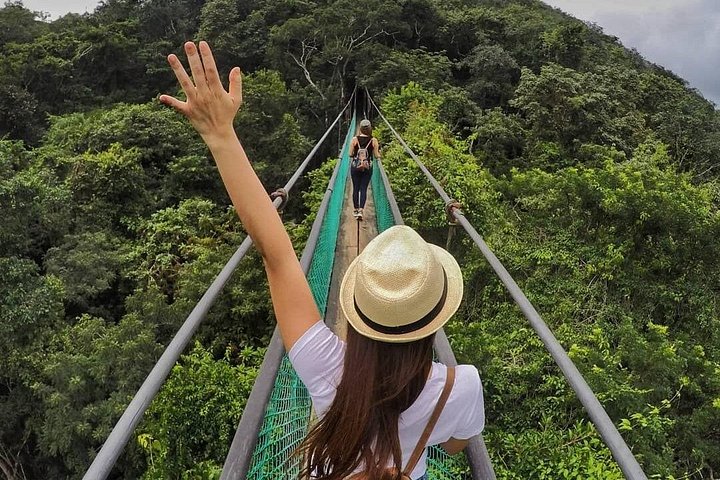
To see Maya history in a different setting, add Yaxhá, with its lagoon and sunset climb, or Uaxactún, which is quieter and more remote. For a deeper dive into carved stone, visit Ceibal. For the most ambitious look at the Maya world, consider El Mirador, a Preclassic city so remote that it is reached by a multi-day trek or a helicopter. For wildlife, add the El Remate lakeshore and the Cerro Cahuí reserve, which suit birdwatchers, and Ixpanpajul, where the hanging bridges put you at canopy height.
Etiquette and care
Stay on marked paths, do not climb on structures that are closed, do not touch or feed animals and carry out any rubbish. Keep your voice low, since loud groups scare animals away. Respect the guide's advice on where it is safe to climb, and be careful on wet steps. A little patience pays off, because the best wildlife moments often come when the group has gone quiet.