There is no wrong time to visit this coast, only different trips. The same beach that is a sunny playground in July is a theatre of surf and spray in January, and each season changes what you should book and pack. The choice comes down to whether you want calm seas and long days, wildlife, quiet and low prices, or the drama of a storm.
Summer: the busiest and calmest season
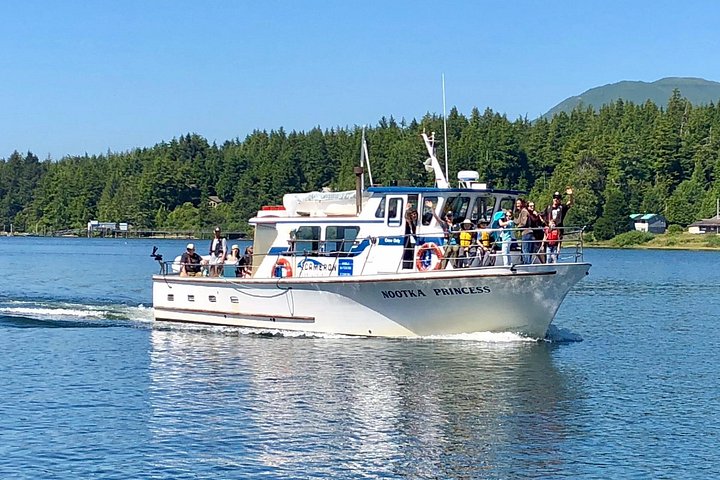
From roughly June to early September the days are long, the seas are at their calmest and every service is running. It is the best time for boat trips, kayaking and the Broken Group Islands, when crossings are least likely to be cancelled. It is also the best time for beginner surf lessons, because the waves are smaller and the water, while still cold, is at its warmest. The trade-offs are crowds and cost: rooms sell out months ahead, rates rise sharply, beach parking fills early and popular restaurants need reservations. Fog can roll in during summer mornings, so keep a layer in the bag.
Spring: whales and fresh green
Spring is the season for migrating gray whales, and it is a favourite with people who want wildlife and fewer visitors. The forest is lush, waterfalls run full and prices are lower than in summer, although weather is changeable and you should expect rain. Many seasonal services reopen in this period, including the Ucluelet Aquarium, which is open between March and November, so check opening dates before you plan around a particular stop. Boat operators adjust their schedules to the weather and the tides, so book flexible tours and leave a spare day.
Autumn: storms begin
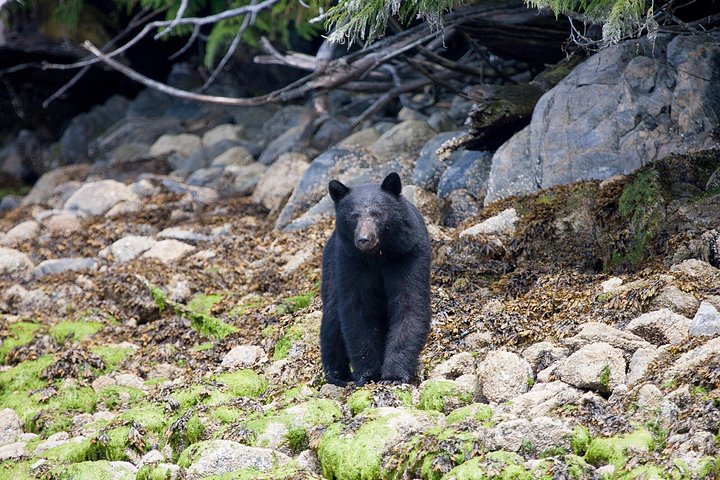
From about October the storm season starts to build, and Tourism Tofino notes that storms are most dramatic in the fall and winter months. Autumn is a good compromise, with fewer visitors and lower prices than summer, a chance of settled days between systems and the first big swells. It is also a good time for bear-watching tours in Clayoquot Sound, because bears forage along the shoreline at low tide. Pack waterproof layers, check the forecast daily and be flexible with your outdoor plans.
Winter: storm watching and quiet
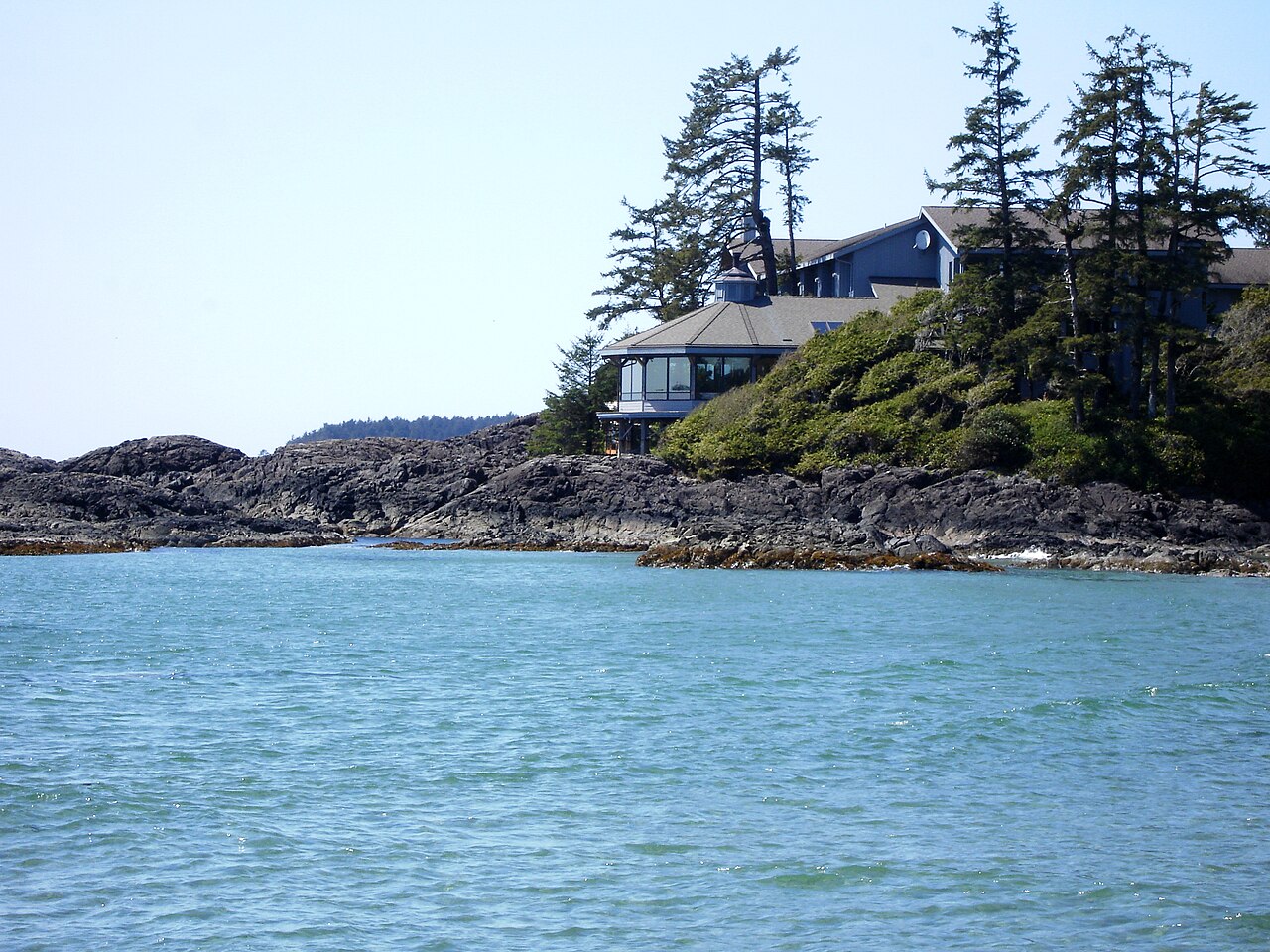
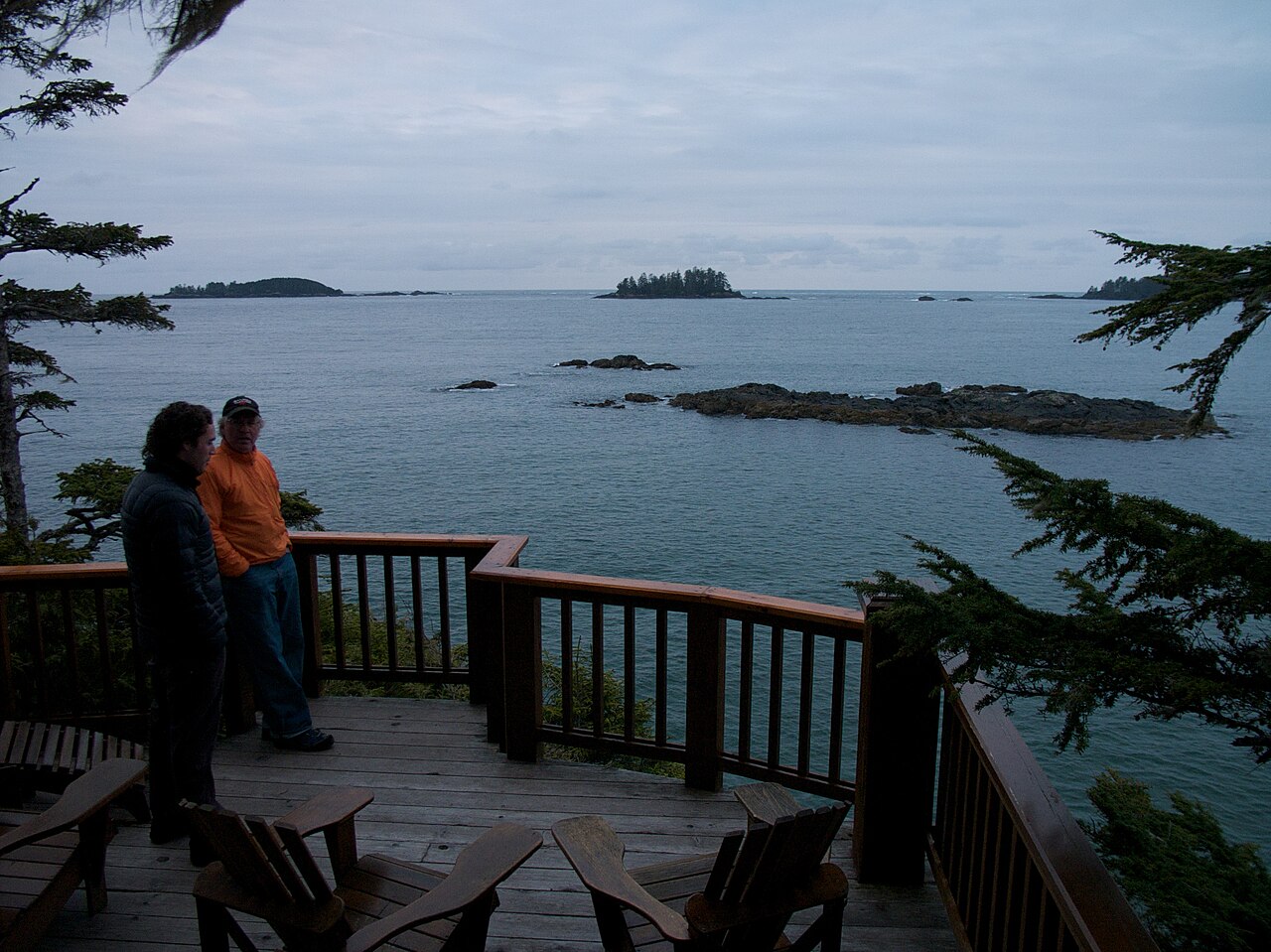
Winter is the signature season for many repeat visitors. Big Pacific storms send waves crashing onto the rocks, and lodges such as the Wickaninnish Inn and Black Rock Oceanfront Resort build whole stays around watching them from a window with a hot drink. Beaches are almost empty, rates are at their lowest and a hot tub, sauna or Hot Springs Cove soak feels better than ever. The compromise is shorter days, more rain and the chance that a boat trip is cancelled or an indoor attraction has reduced hours or is closed for the season. Always watch the waves from a safe place well above the high-tide line, because logs and rogue waves are the biggest danger.
What the seasons mean for booking
For summer, book rooms and key boat trips as early as you can, and expect to plan dinners ahead. For spring and autumn, book a few weeks ahead and keep the plan flexible. For winter, midweek stays give the best value, but check the hours of anything you want to visit indoors, and leave room for weather. Whatever the month, a waterproof jacket, shoes with good grip and a warm layer are essential, and the tide table is as useful as the forecast.
A simple rule of thumb
Go in summer if you want calm seas and boat trips, in spring for whales and green forest, in autumn for a balance of space and drama, and in winter for storms and the lowest prices. If you can only choose once and you are a first-timer, late spring or early autumn gives you the best chance of settled weather, open services and manageable crowds. If storms are your priority, accept that you are trading predictability for spectacle, and plan to enjoy the rain.
Packing by season
In summer, bring sunscreen and a light waterproof shell as well as a warm layer for the evenings. In spring and autumn, add a good rain jacket, waterproof shoes and a hat. In winter, bring a warm insulated layer, gloves and a flask, and keep a change of dry clothes in the car. Whatever the month, a swimsuit is useful for hot tubs and the hot springs, and a small dry bag protects a phone and camera from spray.