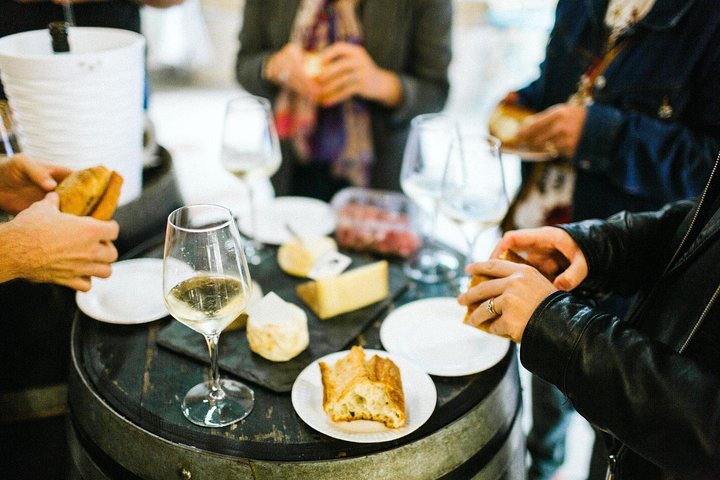
Toulouse sits in the heartland of southwestern French cooking, a cuisine built on duck and goose, beans, sausages, garlic and the produce of the Pyrenees and the Garonne valley. It is richer and more rustic than the cooking of Paris or Lyon, and it tastes best in a warm bistro on a cold evening, or at a market stall with a glass of local wine. This guide explains what to try and how to find it.
Cassoulet
The dish most associated with the region is cassoulet, a slow-cooked casserole of white beans with Toulouse sausage, pork and duck confit, baked until the top forms a golden crust. Three towns, Castelnaudary, Carcassonne and Toulouse, each claim the best version, and the arguments are part of the fun. Order it in a traditional restaurant, share it if you are not very hungry, and plan a walk afterwards. It is a winter favourite but is served all year.
Toulouse sausage and duck
The saucisse de Toulouse is a coarse pork sausage seasoned simply and grilled, often served with mashed potatoes or beans. Duck appears everywhere: confit de canard, magret grilled pink, and foie gras served as a starter with toast and a sweet wine. Garlic is used generously, and the pink garlic of Lautrec in the Tarn is prized. Look for dishes labelled as made with local products, and ask the server for the plat du jour, which is often the best value.
Markets and shops
The covered Victor Hugo market is the best place to see the produce of the region, with stalls selling cheese from the Pyrenees and the Aveyron, cured meats, olives, bread and seasonal fruit. Restaurants on the upper floor serve lunch made from the stalls below, a lively and affordable way to eat. The market is closed on Mondays, and Saturday and Sunday mornings are especially busy. Other markets operate on different days in the city's neighbourhoods, and the Sunday street markets near the Carmes and Saint-Aubin areas are a pleasure to wander.
Sweet things
Toulouse is the city of the violet, which was grown here in the 19th century and is now used in sweets, liqueurs and perfumes. Look for violet candies, jams and syrups in shops in the old town. Pastry shops sell local specialities including the almond-based fénétra and the Gascon pastis, a flaky apple pastry. A morning pastry and coffee at a boulangerie is one of the cheapest pleasures in town.
Wines of the region
Gaillac, to the north-east, is one of the oldest wine regions in France, producing whites, reds, rosés and sparkling wines from local grapes such as Mauzac and Braucol. Fronton, closer to the city, is known for reds made from the Négrette grape, which gives soft, fruity wines with a hint of violets. Madiran and Cahors, further afield, produce more powerful reds that match the local food. A wine bar tasting is an easy way to try several, and a day tour to Gaillac includes a visit to a producer.
Food tours and classes
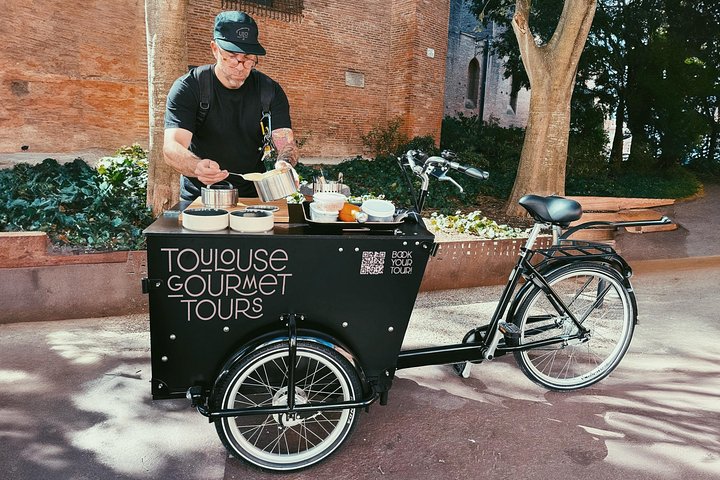
If you want to learn rather than just eat, a guided food tour with a chef or a market tasting tour introduces the ingredients and the traditions, and the guides can recommend places to eat during the rest of your stay. A cooking class is another good option for those who want to take recipes home.
How eating works in France
Lunch is the main meal for many locals, and restaurants often offer a good-value fixed menu at midday. Kitchens usually stop serving around two in the afternoon and reopen for dinner from about seven. Reserve ahead for popular places at weekends, and note that some restaurants close on Sundays or Mondays. Service is included in the price. Tap water is free if you ask for a carafe d'eau, and house wine in a pichet is often good and cheap.
Dietary needs
Southwestern cooking is heavy on meat and dairy, so vegetarians need to plan. Many restaurants offer a vegetarian dish or can adapt a salad, and the city has a growing number of vegetarian and international options, particularly around the university district and Arnaud Bernard. Tell your server about allergies clearly at the start of the meal.
A simple eating plan
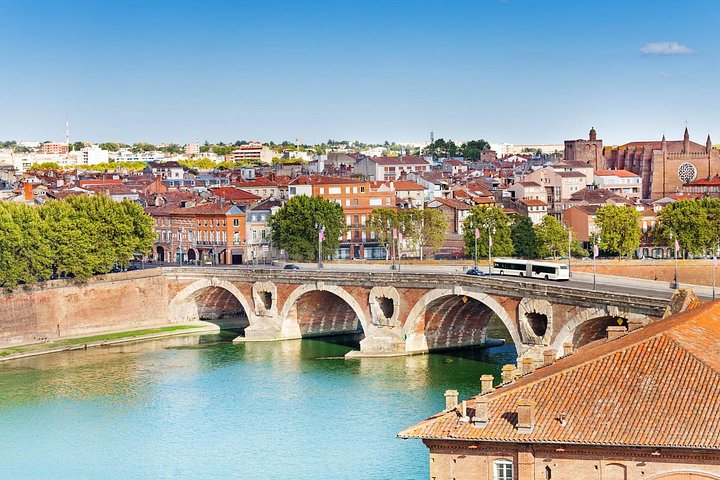
For a first visit, a good pattern is a pastry and coffee at a bakery in the morning, a market lunch or a fixed-price menu at midday, a glass of Gaillac or Fronton on a terrace in the early evening and a proper dinner at a traditional table, where cassoulet or duck is the order of the night. Save one meal for a tasting experience such as a market tour, and keep the occasional afternoon for a picnic of cheese, bread and fruit by the Garonne or the canal.