Toulouse is France's fourth-largest city and one of its most agreeable, a warm, brick-built place on the Garonne where students, engineers and rugby fans share the cafes. It is known as la Ville Rose because of the pink bricks that cover its churches and mansions, and it is also the capital of European aerospace, with Airbus, Concorde and the space industry all rooted here. To the east lie the walls of Carcassonne, the brick cathedral of Albi and the Cathar castles, and to the south the Pyrenees. This guide sets out how to approach a first visit.
How many days
Two full days cover the old town properly: the Capitole, the Basilica of Saint-Sernin, the Jacobins, a museum, the Garonne quays and a good lunch. Three days let you add an aerospace sight such as Aeroscopia or the Cité de l'Espace. With four or five days, you can fit in one or two day trips to Carcassonne, Albi and Cordes-sur-Ciel. Toulouse also works well as a base for a longer stay in the southwest, because trains and roads fan out in every direction.
What to book ahead
The one sight that really requires planning is the Airbus factory tour, which runs on fixed departures, needs photo identification and sells out in busy periods, so reserve it as soon as your dates are firm. Aeroscopia tickets are easy to buy in advance, which saves queuing at the Concorde. If you want a day trip by tour rather than by train, book a few days ahead, particularly for small-group departures. Restaurants that serve a serious cassoulet fill up at weekends, so reserve dinner if you have a favourite in mind.
Check the closing days
Many museums in France close on Mondays or Tuesdays. The Musée des Augustins generally closes on Tuesday, the Victor Hugo market is closed on Monday, and churches may shut for a long lunch break and for services. Build your days around the places that are open, and keep the Garonne quays and the Canal du Midi for the days when museums are shut.
Getting around
The old centre is compact, and you can walk almost everywhere. Two metro lines, A and B, cross at Jean-Jaurès, and tram lines and buses serve the airport district, Blagnac and the eastern edge of the city. Capitole station on line A opens onto the main square. The railway station, Matabiau, is a short walk or metro ride from the centre and is the departure point for trains to Carcassonne, Albi and beyond. From the airport, a shuttle and the tram connect to the city; check the current route when you land. Cycling is easy because the city is flat, and the bike-share scheme and guided bike tours are good ways to see more of the river and the canal.
What to see first
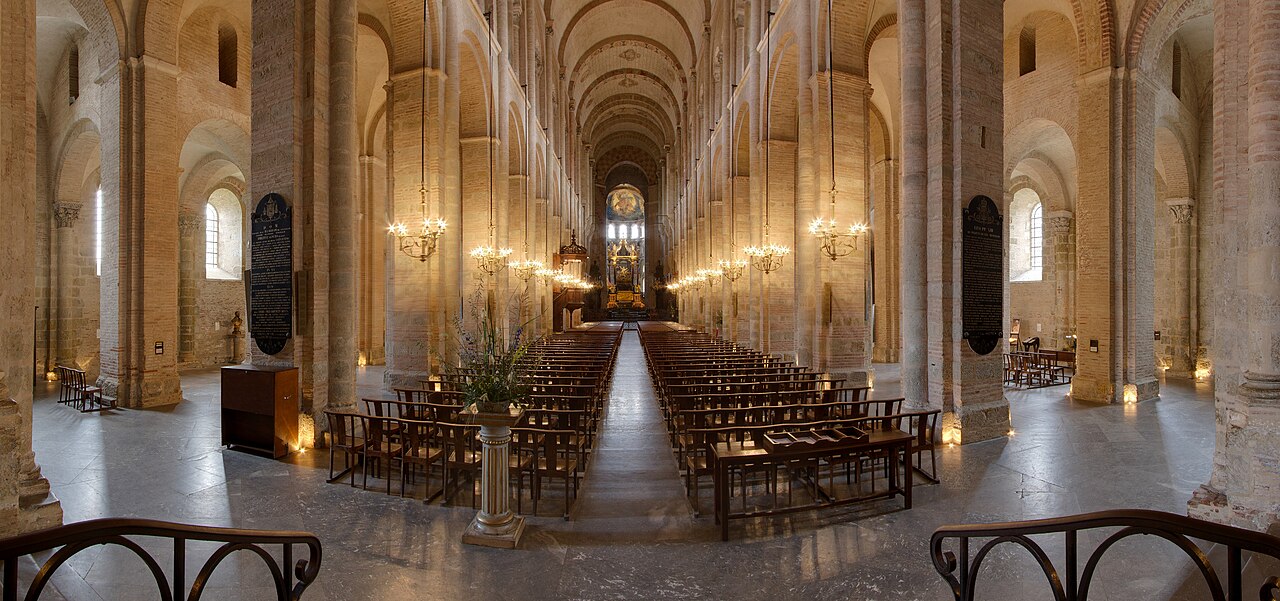
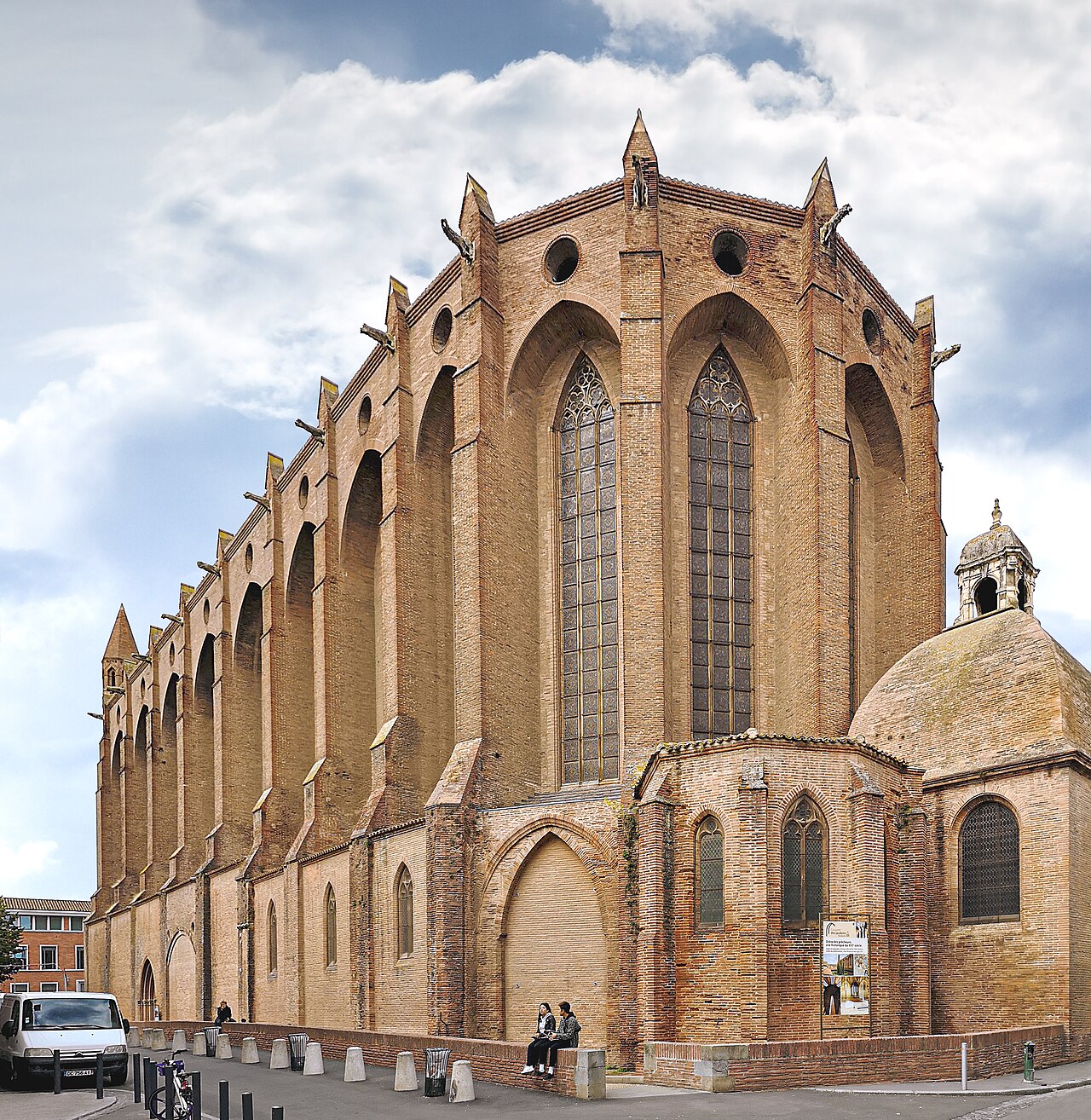
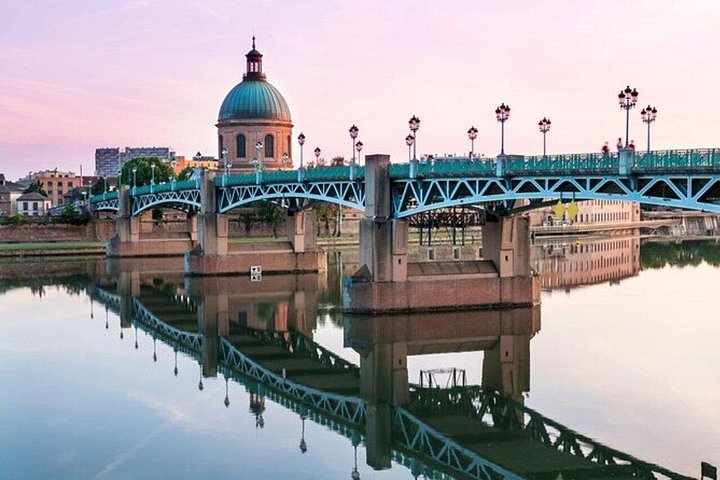
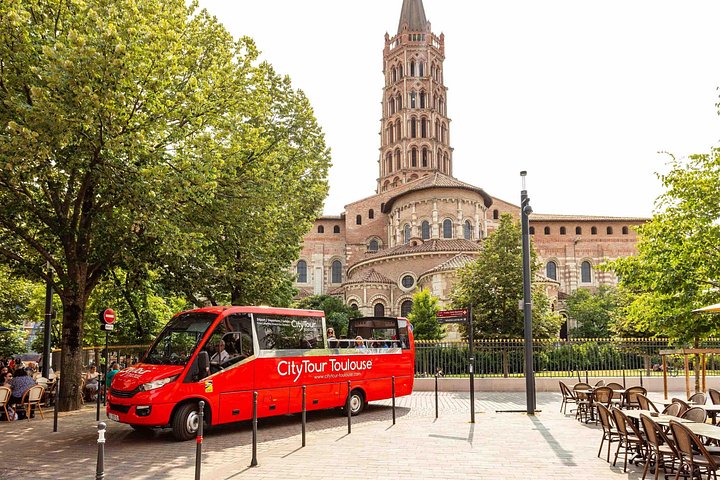
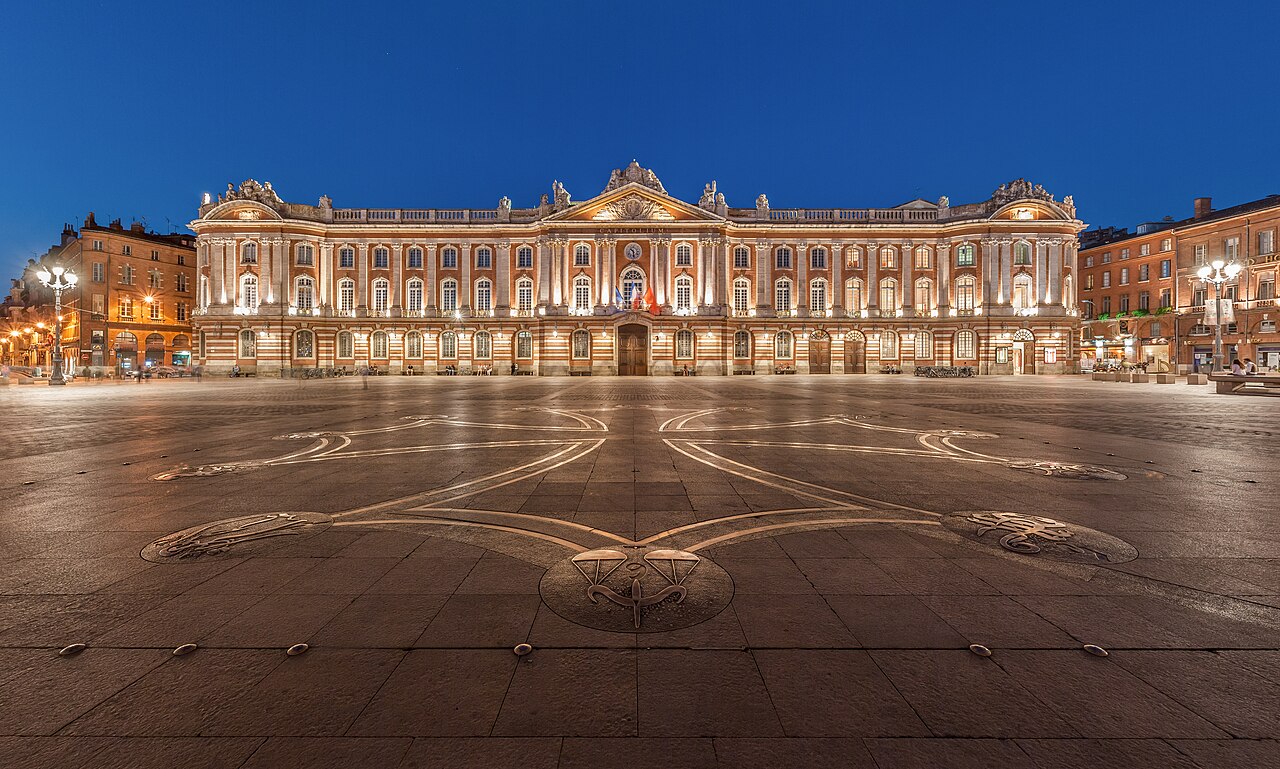
Begin at the Place du Capitole, then walk north along rue du Taur to the Basilica of Saint-Sernin, the largest surviving Romanesque church in Europe and a UNESCO site. Turn east for the Jacobins convent, where the palm-tree vault is a highlight, and return through the pedestrian streets to the Garonne for the Pont Neuf and the quays. For art, the Musée des Augustins and the Fondation Bemberg are the best choices. For a sense of the city's modern identity, plan a day around aerospace.
The aerospace day
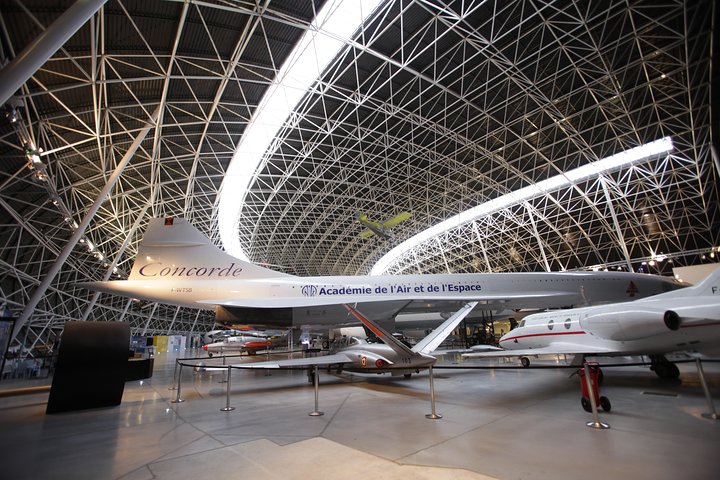
Toulouse is where Concorde and the Airbus family of aircraft were developed, and that history is on show at Aeroscopia in the suburb of Blagnac, where you can walk through a Concorde, and at the Cité de l'Espace, a space park with a full-scale Ariane 5 rocket. The Airbus factory tour is the most unusual experience, taking you onto the assembly floor with a guide. The Halle de la Machine at Montaudran, where a walking Minotaur and a giant spider roam an old airfield, celebrates the same pioneering spirit in a more playful way.
Money, language and manners
France uses the euro, and cards are widely accepted, although a few market stalls prefer cash. A service charge is included in restaurant prices, and leaving a small extra amount for good service is appreciated rather than expected. Greet staff with a bonjour as you enter shops and restaurants, and expect lunch to be served from about noon until two, with dinner from about seven. Many shops close for lunch outside the centre, and on Sundays most are shut except bakeries and some food stores.
Safety and common-sense tips
Toulouse is generally a relaxed city, but as in any busy place, keep an eye on bags in crowded squares and on public transport. In summer, afternoons can be hot, so plan indoor sights for the middle of the day and walks for the morning and evening. Bring comfortable shoes for the cobbles and a light layer for churches, which stay cool.
Common first-timer mistakes
The most frequent errors are trying to see the old town and a day trip on the same day, arriving at a museum on its closing day, and eating only in the squares around the Capitole, where prices are highest. Another is overlooking the Garonne and the canal, which give the city its relaxed, outdoor character. Give yourself time to sit on a terrace, watch the light change on the brick and let the pace of the city set the rhythm.