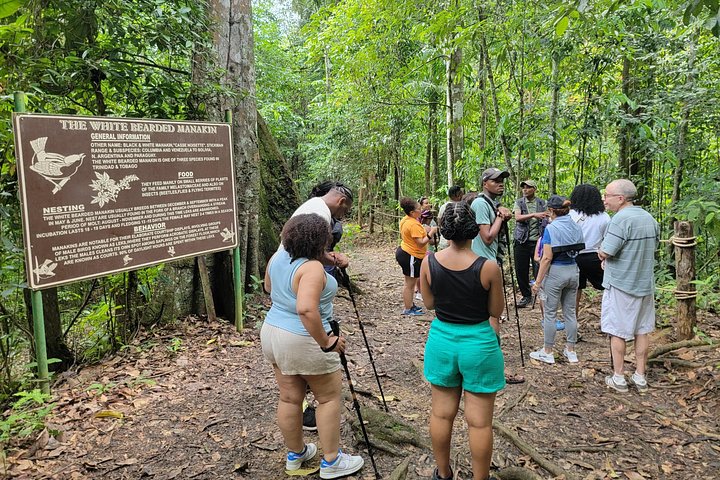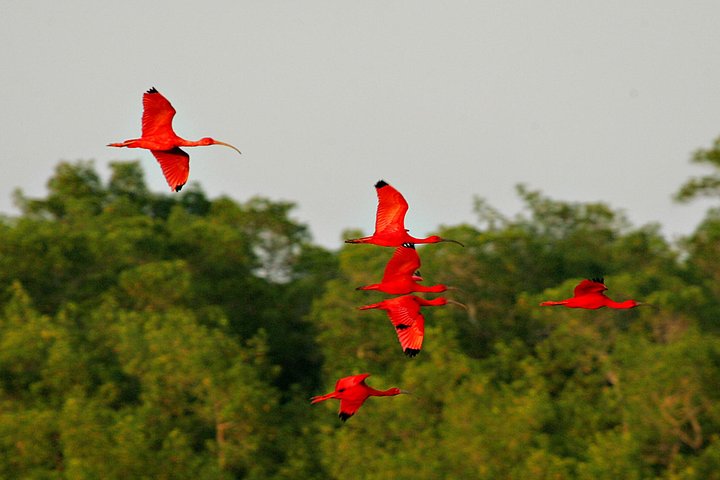
Nariva Swamp spreads across Trinidad's east coast, one of the largest wetlands in the Caribbean and a very different world from the busy west. A guided monkey viewing outing takes you into this quiet landscape of marsh, palm forest and open water in search of red howler monkeys, whose deep, rolling calls carry for miles at dawn and dusk. The same trip usually shows birds, caimans and other wetland wildlife, and a local guide explains how the swamp works and why it matters. The wilderness feels remote and unspoilt, and the combination of wildlife, silence and scenery makes it a rewarding day for travellers who have already seen the more famous scarlet ibis and want to go deeper into Trinidad's nature.
Reaching Nariva takes time, since the swamp lies on the east coast, a long drive across the island from Port of Spain. Tours therefore start early, with hotel pick-up, and the journey passes through towns, coconut plantations and farmland before arriving at the wetland edge. The effort is part of the experience: by the time you step out, the island's pace has slowed, and the landscape is open and quiet. The guide leads small groups on foot or by boat, depending on the conditions, and spots wildlife that would be invisible to an untrained eye.
Red howler monkeys are the headline, and your chances improve in the early morning when the troops are most active. Even if the monkeys keep their distance, the swamp offers other rewards, including herons, parrots, kingfishers, bats and, with luck, a caiman resting on the bank. Nariva is also a place where the landscape changes with water levels, so a visit in the wet season feels different from one in the dry months. Guides know where to look at each time of year and will adapt the route accordingly.
Dress for heat, humidity and mud
Long light trousers, closed shoes or boots, a hat, insect repellent and sun protection. Bring binoculars and plenty of water. This is a wildlife outing rather than a polished attraction, so patience matters, and sightings are never guaranteed. Get tickets early, as guided groups are limited, and ask when you book about the pick-up time, the route, whether a boat is used and what food is included.
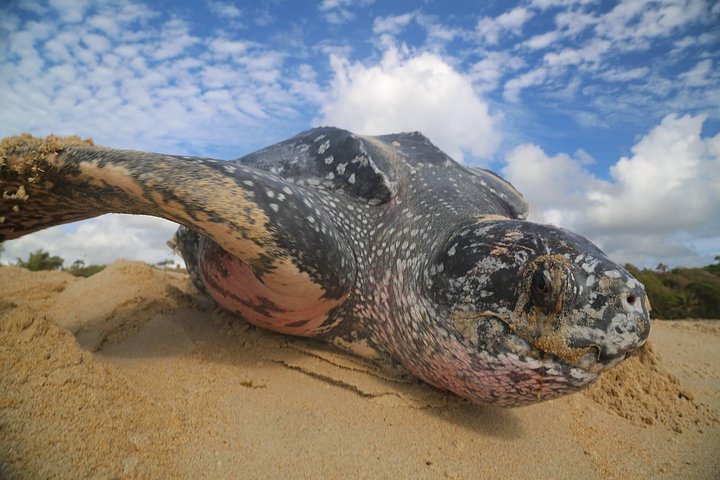
The tour pairs well with leatherback turtle watching at nearby Matura in season, since both sit on the eastern side of the island, and it gives a fuller picture of Trinidad than the city and beach programmes alone. For birders and nature lovers it is one of the island's most memorable days.
What to expect
The experience
A guided wetland outing on Trinidad's east coast, on foot or by boat, searching for monkeys, birds and caimans.
Best time
Early morning, when the monkeys are most active and the air is coolest.
How long
A full day including the long drive from Port of Spain.
Tips
Wear light long clothing and boots or closed shoes, and bring repellent, water and binoculars.
Quick picks
- Best for
- Wildlife lovers who want a quiet, remote part of Trinidad.
- Families
- Best for older children who can cope with a long day.
- Couples
- A peaceful day in wild country.
- Pair with
- Leatherback turtle watching at Matura in season.
- Time needed
- A full day.
Good questions
Will I definitely see monkeys?+
Sightings are likely but never guaranteed. Mornings give the best chance.
What else might I see?+
Birds such as herons and kingfishers, bats and, with luck, caimans.
How long is the journey?+
The east coast is a long drive from Port of Spain, so expect an early start and a full day.
What should I bring?+
Repellent, water, sun protection, binoculars and sturdy footwear.
Is it suitable for children?+
For older children used to long days outdoors, yes. Check age limits when you book.