Trinidad and Tobago is the birthplace of the steelpan, the home of calypso and soca, and the host of one of the biggest Carnivals on earth. Music here is not a show put on for visitors; it is a year-round habit, rehearsed in neighbourhood yards, argued over in rum shops and played from passing cars. This guide explains how the pieces fit together so that you can enjoy them whether or not you ever visit during the big days.
The steelpan
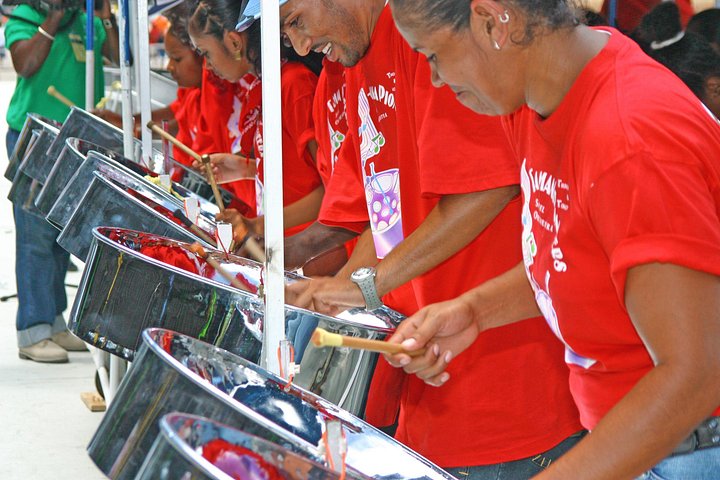
The steelpan grew out of Trinidad's working-class neighbourhoods in the early twentieth century, when drummers whose skin-and-bamboo bands had been restricted began hammering discarded oil drums into tuned instruments. Today it is the national instrument. A drum is sunk into a bowl and carefully tuned into notes, with the high-pitched tenor pans carrying the melody and the bass pans, often several drums to a player, supplying the foundation. A full steel orchestra can number well over a hundred players, and the sound at close range is warm, bright and surprisingly powerful. If you see only one live performance, make it a pan band.
Panyards
Bands rehearse in open-air yards that are often part of a community, and in the weeks before Carnival many welcome visitors who want to listen. Evenings are best, when the arrangement for the big competition is still being polished. You can stand at the edge, buy a drink and watch dozens of players work through a piece again and again. Be respectful, ask before photographing and expect to be asked to move if you block a doorway. For visitors who prefer a structured option, a live steel drums and street food evening combines a performance with local dishes and a guide.
Calypso and soca
Calypso is the older storytelling tradition, with sharp, witty lyrics about politics and society. Soca, short for the soul of calypso, is the faster, dance-driven descendant that fills the road during Carnival. Annual competitions crown a calypso monarch and a soca monarch, and the songs that win become the soundtrack for the season. If a lyric makes the crowd roar, ask a local what it means; the answer is usually a story.
How Carnival is timed
The main days are the Monday and Tuesday before Ash Wednesday, which means the date moves each year with Easter. The weeks before are filled with fetes, competitions and band launches. The big pan competition, Panorama, reaches its finals on the Saturday before the main days. J'ouvert, the pre-dawn street party that opens Carnival Monday, is a messy, joyful ritual of paint, mud and music that starts in the dark. Monday and Tuesday are the parade of the bands, when thousands in costume cross the stage at the Savannah and dance along the streets. Always check the dates for the year you plan to travel.
Joining in
Visitors can take part in several ways. You can watch from the Savannah, buy a place in a band and march in costume, or simply wander and soak up the atmosphere. Bands vary in price and style, and many include food, drink and security, so research before you commit. Wear comfortable shoes, carry little, keep a copy of your documents in your hotel and stay with your group. At J'ouvert, wear clothes you are happy to ruin and protect your phone.
Staying and getting around
Carnival fills the capital's hotels, so reserve early and choose a base near the Savannah, Woodbrook or downtown, where fetes and parades are close. The Hilton in Belmont and the Hyatt on the waterfront are convenient large hotels, while Woodbrook offers a budget base near Ariapita Avenue. Traffic during the big days is heavy, so use trusted taxis and arrange rides in advance.
Beyond Carnival
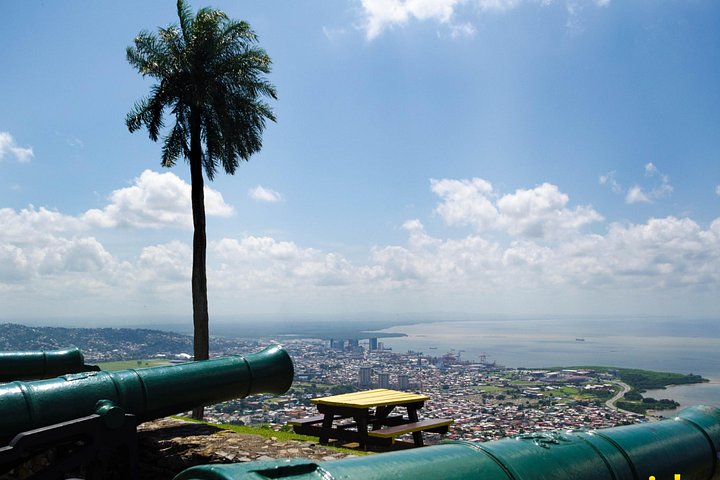
If you cannot travel in Carnival season, you can still hear the music. Pan lime evenings, live calypso tents and soca parties run through the year, and the Port of Spain city tour, the Savannah and the steelpan evening each add pieces of the story. Tobago has its own celebrations, which are smaller and friendlier, and which pair well with beach days.
Food and drink at the fete
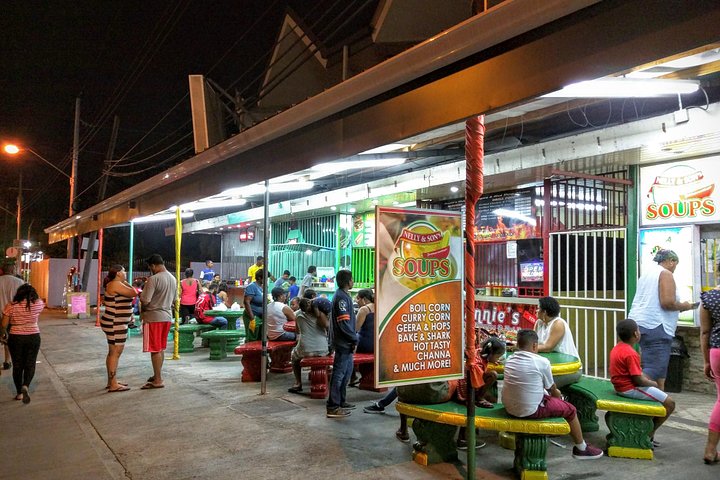
Music and food go together here. Expect doubles at dawn, roast corn and pholourie from roadside carts, bake and shark by the sea and cold local beer or rum punch wherever people gather. Drink water between drinks, wear sun protection and take it easy in the heat. The best way to understand the culture is to listen, eat and ask questions, because Trinidadians love to explain their traditions to anyone who shows real interest.